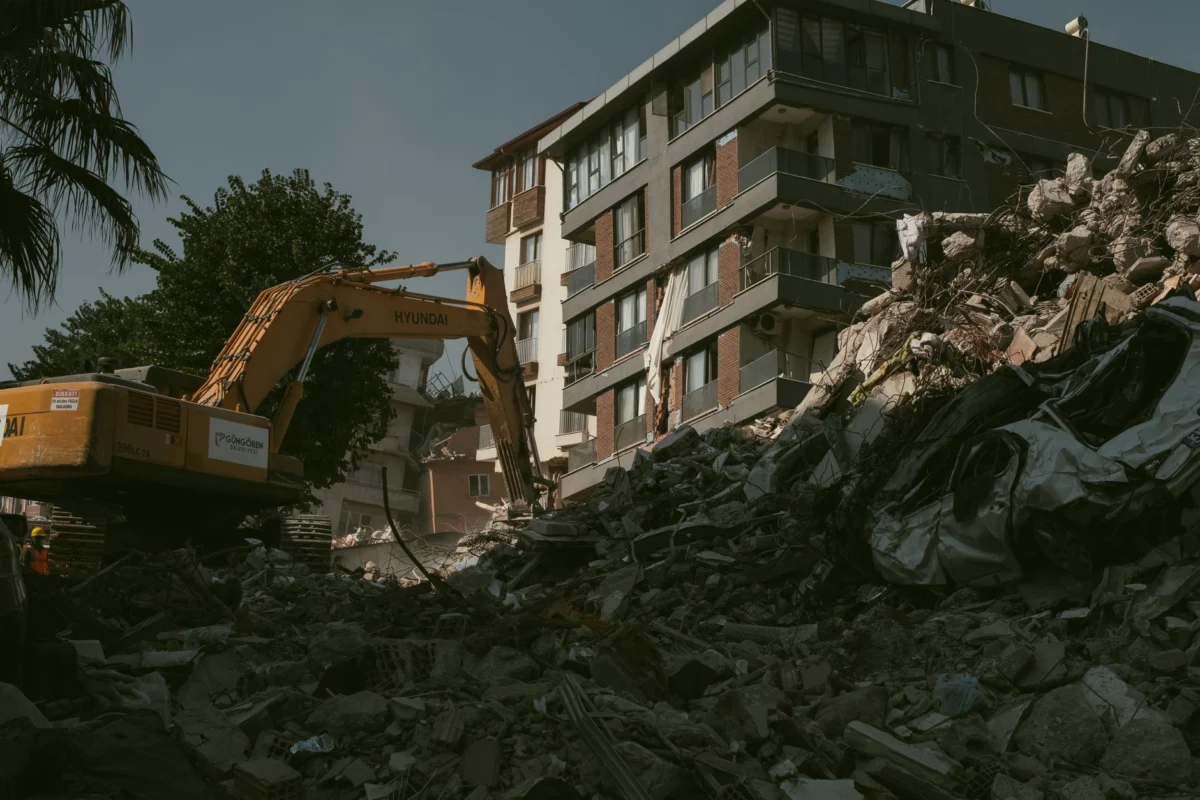
At 03:12 a.m. local time, a tremor shook the apartment building where 11‑year‑old Luis Martínez slept, rattling windows and sending plaster dust to the ceiling.
The quake, measured 6.2 on the Richter scale, was the second of two massive shocks that struck central Venezuela on March 20, 2026.
Since then, aftershocks have dotted the night, the strongest a 4.8‑magnitude jolt that left a fresh crack in the Caracas highway.
Rescue teams have pulled more than 1,200 bodies from the debris, but officials still list roughly 50,000 missing, a figure echoed by CNN and the Wall Street Journal.
Why does this matter?
Beyond the human tragedy, the quake threatens Venezuela’s already fragile power grid and water supply, heightening the risk of secondary disasters such as floods and disease outbreaks.
International aid is arriving, yet logistical bottlenecks at the main airport delay critical medical supplies, prompting NGOs to call for a humanitarian corridor.
Who is affected?
Families across the capital and neighboring states are living in temporary shelters called “pabellones” set up in schools and sports complexes.
One mother, María Gómez, described the night after the aftershock: “The ground shook again while we were trying to sleep. It feels like the earth refuses to let us rest.”
Children are especially vulnerable; the New York Times reported that an 11‑year‑old boy survived for three days under a concrete slab, his discovery sparking a surge of hope among volunteers.
Health workers warn that overcrowded shelters could become breeding grounds for COVID‑19 and dengue, linking the disaster to larger public‑health concerns.
What happens next?
President Nicolás Maduro’s office says the military will continue “search and rescue” operations for at least another week, while the Ministry of Interior is mapping collapsed structures with drones.
Local NGOs, such as the Red Cross Venezuela, plan to distribute 10,000 emergency kits by Friday.
For anyone following the crisis, the next aftershock could dictate whether more lives can be saved or lost.
Stay tuned as the situation evolves; the next update could change the odds for thousands still trapped beneath the rubble.
Read more about how natural disasters intersect with climate‑environment challenges and the latest on politics in the region.