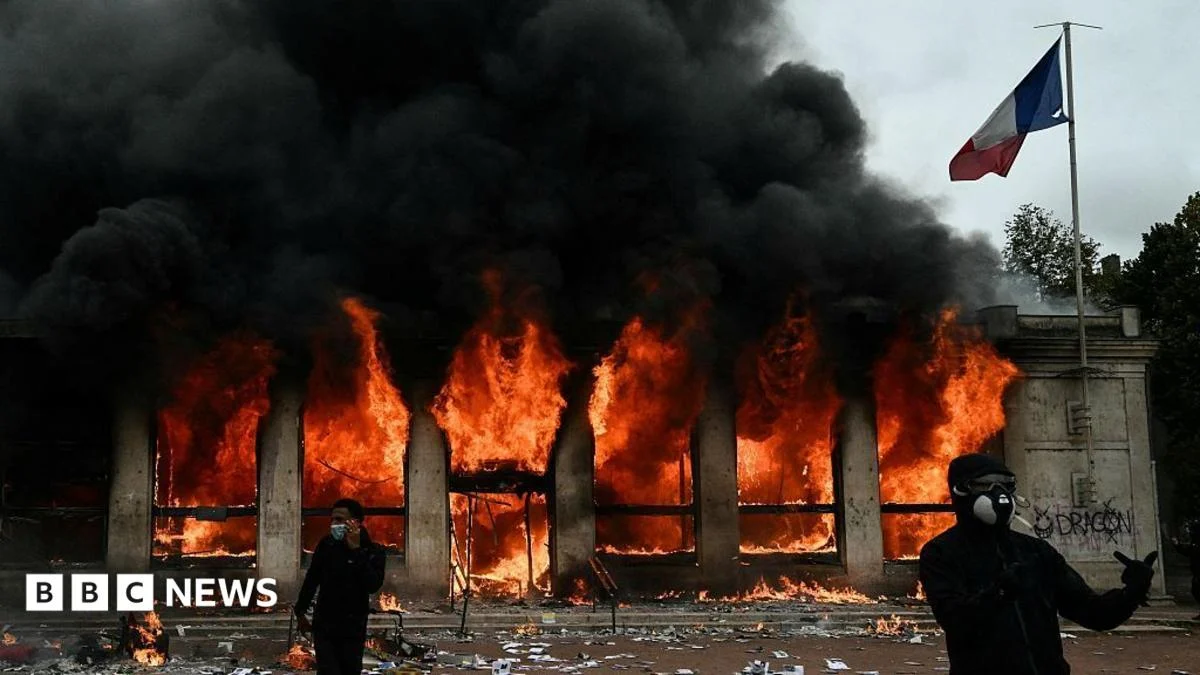
French authorities have announced a total ban on protests in Marseille and Lyon following recent riots, limiting public demonstrations to certain towns and cities only if organized by unions. Top museums in the affected regions will also close on Saturday as part of heightened security measures.
The restrictions signal a significant tightening of civil liberties in response to unrest, with officials implementing emergency-level controls in two of France’s largest urban centers. The move has sparked concern among human rights advocates and labor groups about the scope of public assembly limitations.
KEY FACTS
- Protest ban imposed in Marseille and Lyon.
- Protests permitted elsewhere only if organized by unions.
- Top museums closed on Saturday.
The Story
What happens next?
Government officials have not specified how long the protest restrictions will remain in place. Authorities have indicated that closures and bans will be reviewed based on developments in public order, though no timeline has been provided. Union leaders have called for dialogue, while civic groups have raised questions about the proportionality of the measures taken.
The ban reflects broader tensions in France over social policies and public dissent. Previous instances of unrest have led to temporary curfews and assembly restrictions, particularly in urban areas prone to civil disobedience. The government has defended such actions as necessary to preserve public safety, drawing both support and criticism from domestic constituents.
Who is affected?
Residents of Marseille and Lyon face immediate limitations on gathering publicly, including peaceful demonstrations. Cultural institutions such as museums are also impacted, with closures affecting staff and visitors alike. Unions, while still permitted to hold events in select locations, must navigate new logistical challenges tied to authorization requirements.
Opposition parties and advocacy organizations have expressed concern that the measures could set a precedent for expanded use of emergency powers during civil unrest. Legal experts note that prolonged bans may require formal decrees, depending on existing frameworks governing public demonstrations. As situations evolve, citizens are urged to follow official communications through local news and government channels.
What We Know — and What We Don’t
Verified by the source:
- Protests are banned in Marseille and Lyon after riots.
- Demonstrations allowed elsewhere only if union-organized.
- Museums will close on Saturday.
Still unconfirmed:
- Exact duration of the protest ban.
- Specific criteria used for selecting permitted cities.
- Names of officials issuing directives.
- Number of individuals involved in the initial riots.
- Legal basis cited for museum closures.
Why It Matters
This development highlights ongoing friction between public expression and state authority in modern democracies, especially amid rising incidents of urban unrest. The selective enforcement of protest rights raises important questions about equity in access to civic participation, potentially influencing future policy around civil liberties across Europe.
What To Watch
Authorities have yet to clarify whether additional cities may face similar restrictions or if exceptions exist beyond union-led gatherings. Updates are expected via official statements from relevant ministries.
Related coverage can be found in our war and geopolitics section and politics updates.