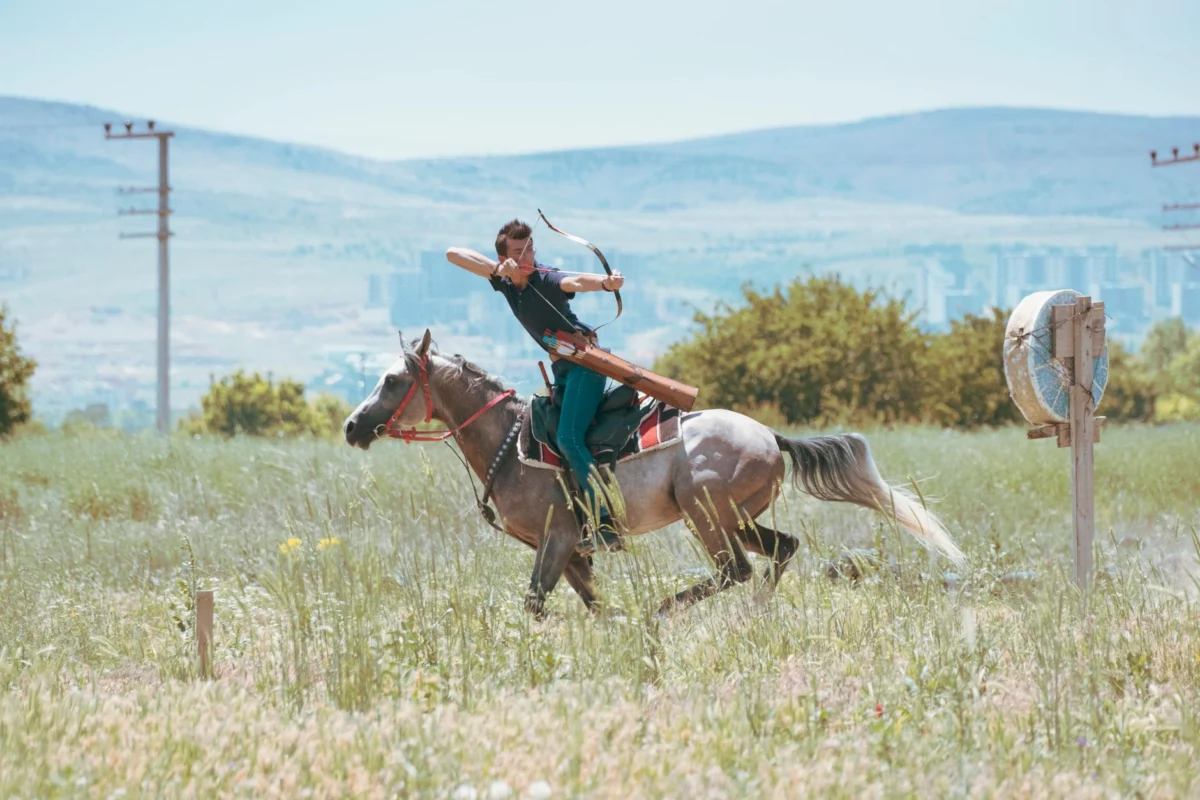
Horseback archery is experiencing resurgence as enthusiasts pursue the centuries-old warrior tradition, even as modern warfare grows increasingly high-tech and impersonal. The sport has drawn renewed attention after being featured at the World Nomad Games, where competitors demonstrated historical combat skills on horseback.
The revival reflects a growing fascination with ancestral martial traditions amid rapidly advancing digital weaponry. Participants train in techniques once used by nomadic warriors, bridging past and present through physical skill rather than machines.
Key Facts
- Horseback archery is gaining popularity globally.
- It was showcased at the World Nomad Games.
- The practice connects riders to a centuries-old warrior heritage.
- Rise coincides with modern warfare becoming more technological.
Why Now?
Historic equestrian disciplines like horseback archery persist because they offer tangible, embodied experiences increasingly absent from daily life. While drones, cyber tools, and satellite targeting dominate contemporary conflict, practitioners seek connection to older forms of physical mastery. These competitions often blend cultural preservation with athletic challenge, attracting both former military personnel and civilians curious about forgotten combat arts.
Events such as the World Nomad Games serve as platforms for minority sports to gain visibility. Competitors typically train using bows and arrows while riding at speed, mimicking tactics developed centuries ago across Central Asia and Eastern Europe. Judges evaluate accuracy, form, timing, and control under motion — elements difficult to replicate in static ranges.
Who Is Affected?
Revivalists span diverse backgrounds including historians, martial artists, and equestrians. Some join riding clubs focused on historical reenactment; others attend workshops led by experts trained in traditional methods. National teams sometimes form from local clubs, preparing together for international gatherings. Local tourism boards may sponsor events, promoting heritage tourism alongside sport development.
However, access remains limited by equipment costs, facility availability, and instructor expertise. Safety regulations vary widely between regions, creating inconsistent training environments. Despite these barriers, online communities share techniques and organize meetups, helping sustain momentum around this niche discipline.
What We Know — and What We Don’t
Verified by the source:
- Horseback archery is experiencing a cultural comeback.
- It was featured during the World Nomad Games.
- Modern warfare is described as high-tech and impersonal compared to earlier eras.
Still unconfirmed:
- Exact number of new participants or participating nations.
- Dates, specific venues, or judging criteria used at the games.
- Names of organizers, athletes, or governing bodies involved.
Why It Matters
Interest in traditional practices like horseback archery reveals how people respond to rapid technological change — not necessarily rejecting progress but seeking balance through embodied skills rooted in history. Whether this trend signals broader cultural shifts or remains a passing fad depends on sustained engagement beyond novelty phases.
What To Watch
Future editions of the World Nomad Games will indicate whether participation continues growing. Organizers have yet to announce details for upcoming cycles.