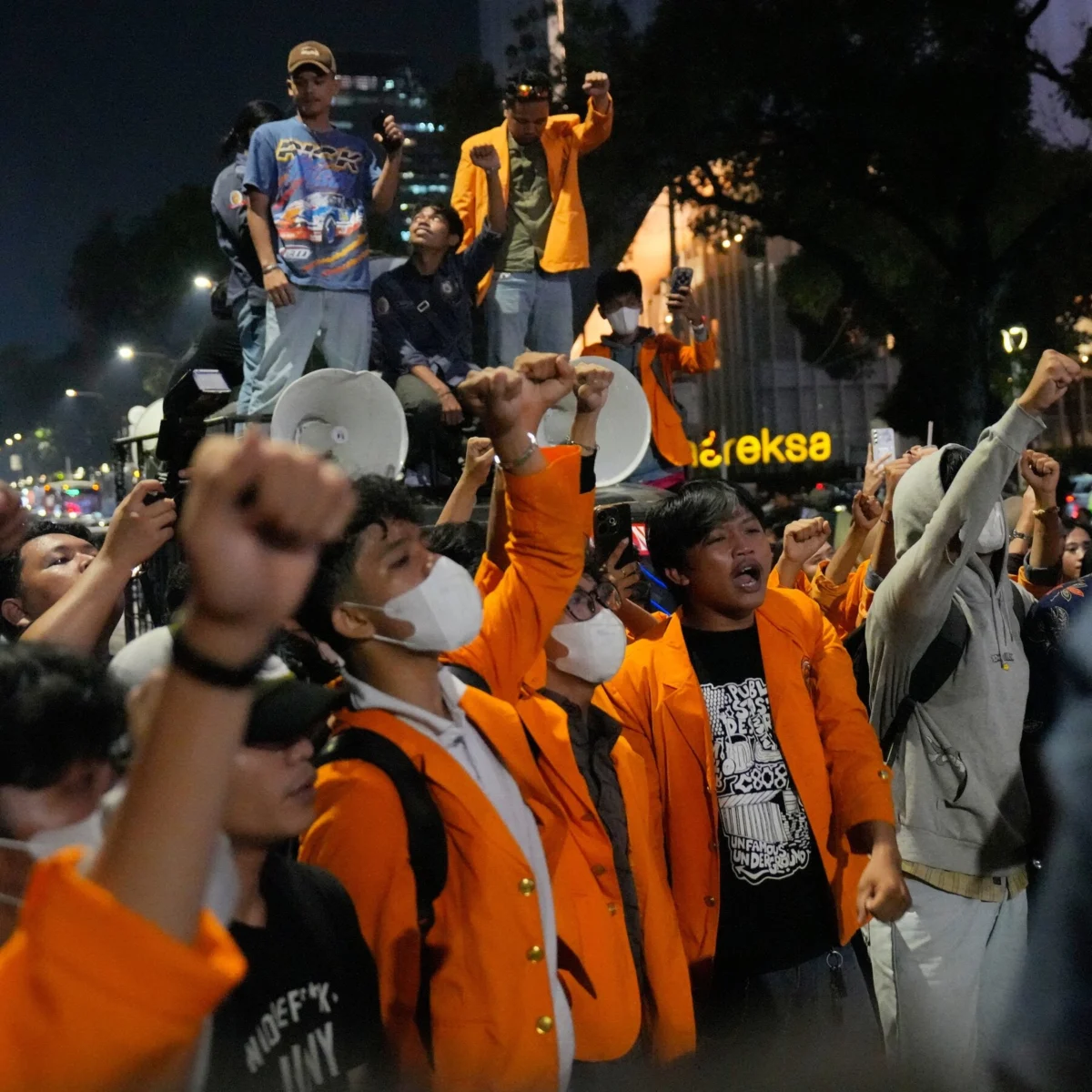
Protests in Indonesia are calling for government action to stop the ongoing rainforest fires blamed on destructive agricultural practices. Smoke from the rainforest fires has sickened hundreds of thousands of people and blanketed neighboring countries, raising regional alarm. Demonstrators took to the streets demanding emergency measures to halt the burning that fuels the haze crisis each dry season.
The scale of the health and diplomatic fallout underscores why rainforest fires remain a recurring political flashpoint across Southeast Asia. According to NYT > World News, the blazes continue to strain public services while spreading smog beyond Indonesia’s borders, renewing pressure on officials to act.
KEY FACTS
- Protests in Indonesia demand action to stop the rainforest fires.
- The fires are blamed on destructive agricultural practices.
- Smoke has sickened hundreds of thousands of people.
- The haze has blanketed neighboring countries.
THE STORY
Who is affected by the haze?
The smoke plumes generated by the rainforest fires have created a cross-border health emergency. Hundreds of thousands of people across Indonesia and neighboring countries have reported respiratory illness linked to the airborne particles. Schools have closed, flights have been delayed, and hospitals have treated patients for breathing difficulties. Officials in capital cities across Southeast Asia have issued health advisories urging residents to remain indoors during peak smoke hours. The economic costs of the haze extend to agriculture, tourism, and transportation sectors already weakened by seasonal patterns. Public frustration has mounted as communities endure repeated exposure without clear timelines for relief. Regional cooperation mechanisms have been activated to share air quality data and coordinate emergency responses across national boundaries affected by the transboundary haze.
How did we get here?
The current wave of rainforest fires is attributed to destructive agricultural practices that clear land for palm oil and other commodity crops. These land-clearing methods often involve slash-and-burn techniques that ignite dry vegetation and peatlands. During extended dry spells, the fires grow beyond controlled areas and send thick smoke drifting across maritime boundaries. Historical records show similar outbreaks recur annually when law enforcement weakens and monitoring systems face resource gaps. International donors have previously funded satellite surveillance programs aimed at detecting illegal burning patterns early in remote forest regions. Legal frameworks exist at the national level to hold companies accountable for fire damage, yet prosecution rates remain low. Activists argue that stronger penalties and faster response protocols could reduce the frequency of these seasonal crises.
What happens next?
Pressure mounts on Indonesian authorities to deploy emergency response teams and suspend permits for companies linked to burning zones. Regional forums may revisit agreements governing transboundary haze pollution if neighboring governments escalate diplomatic complaints. Weather forecasts suggest winds could carry additional smoke toward urban centers within days unless firefighting resources expand rapidly.
WHAT WE KNOW — AND WHAT WE DON’T
Verified by the source:
- Protests occurred in Indonesia demanding action against the fires.
- Smoke was blamed on destructive agricultural practices.
- Hundreds of thousands were sickened by the smoke.
- Neighboring countries were blanketed by the haze.
Still unconfirmed:
- Exact number of protesters or participating organizations.
- Specific dates, times, or locations of demonstrations.
- Official government responses or policy announcements.
- Firm attribution of particular companies or actors responsible.
- Precise cross-border areas impacted by the smoke.
WHY IT MATTERS
The recurring rainforest fires highlight tensions between economic development and environmental protection in Southeast Asia. These fires contribute to greenhouse gas emissions, threaten biodiversity, and strain diplomatic ties when smoke crosses borders. For readers worldwide, the crisis signals how agricultural supply chains can drive ecological harm with international consequences. Understanding these dynamics matters as climate pressures intensify seasonal burning risks globally. The story connects local farming practices to broader questions about sustainable land use policies and corporate accountability. It also reflects how civic mobilization can push governments to prioritize long-term public welfare over short-term economic gains. Regional stability depends partly on managing shared resources like clean air and intact forests.
WHAT TO WATCH
Officials have yet to announce formal emergency measures, and the response of neighboring governments remains unclear as haze levels fluctuate across border regions.