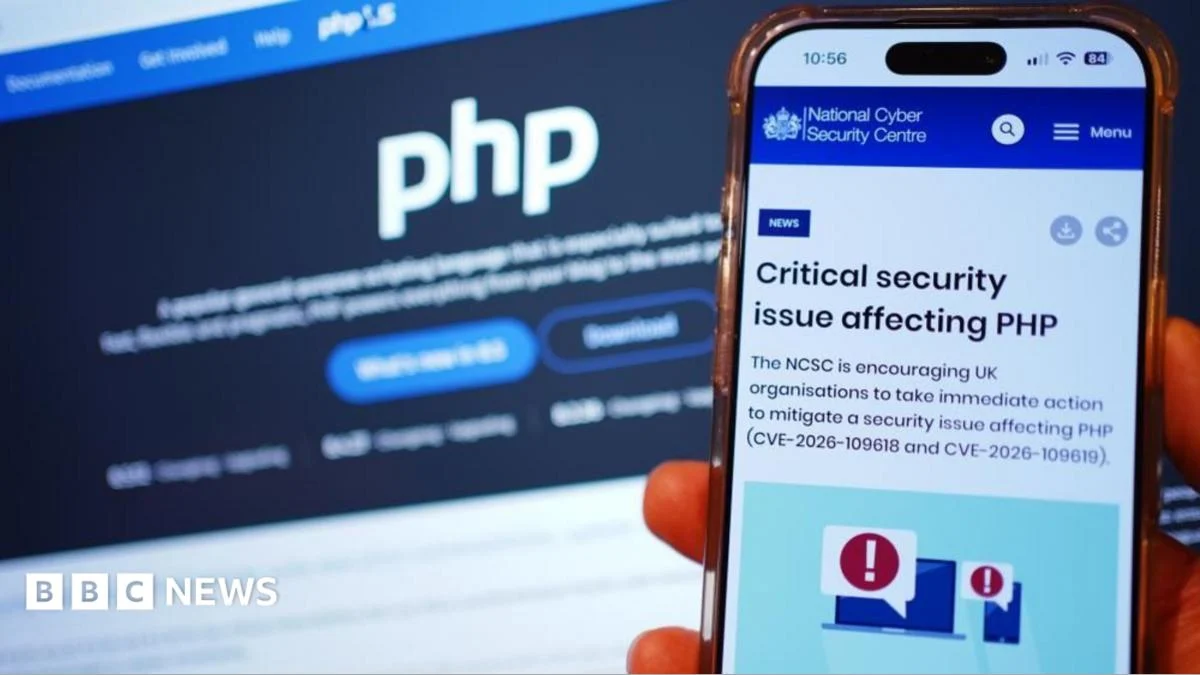
Websites went offline after developers of the PHP programming language announced the discovery of critical cybersecurity flaws requiring immediate system updates.
The cybersecurity flaw has prompted a race among organizations to patch their infrastructure and restore services, highlighting the widespread risks tied to widely used open-source software components.
KEY FACTS
- PHP developers identified critical vulnerabilities in the programming language.
- Websites were taken offline as a result of the cybersecurity flaw.
- Organizations are urgently updating computer systems to address the issue.
- Developers are working rapidly to implement fixes and restore services.
Why Websites Went Offline
The cybersecurity flaw was discovered in PHP, a widely used open-source programming language that powers a large portion of web applications globally. These components are embedded in many content management systems, e-commerce platforms, and enterprise applications, meaning a vulnerability in PHP can have cascading effects across thousands of sites simultaneously.
Critical vulnerabilities in infrastructure software typically allow attackers to execute arbitrary code, access sensitive data, or disrupt services. When such flaws become public, affected organizations often shut down affected systems temporarily to prevent exploitation while applying security patches. This is why many websites were reportedly taken offline following the announcement.
What Happens Next?
Organizations and hosting providers are expected to continue applying security updates to their systems over the coming days. System administrators are prioritizing patches that mitigate the specific attack vectors linked to the reported vulnerabilities.
Developers who rely on PHP-based frameworks are also reviewing their codebases for areas that may be exposed. Security researchers may publish additional technical details, which could further accelerate remediation efforts but also increase short-term exposure if patches are not yet applied.
Verified by the source:
- PHP developers publicly reported critical vulnerabilities in the language.
- As a result of the vulnerabilities, active websites were taken offline.
- Organizations are urgently updating their computer systems to respond.
Still unconfirmed:
- No specific dates, times, or affected organizations have been named.
- The exact technical nature of the vulnerabilities remains undisclosed.
- No official timeline for full recovery or global impact estimates are provided.
Why It Matters
This incident underscores how deeply interconnected modern digital infrastructure is. A single vulnerability in a foundational tool like PHP can ripple outward, forcing website operators worldwide to act swiftly. For everyday internet users, the cybersecurity flaw illustrates how disruptions to backend systems can affect access to online services without warning.
What To Watch
Further updates from PHP maintainers and additional disclosures from security researchers could clarify the full scope of affected systems. Officials have not yet provided broader public statements on recovery timelines.