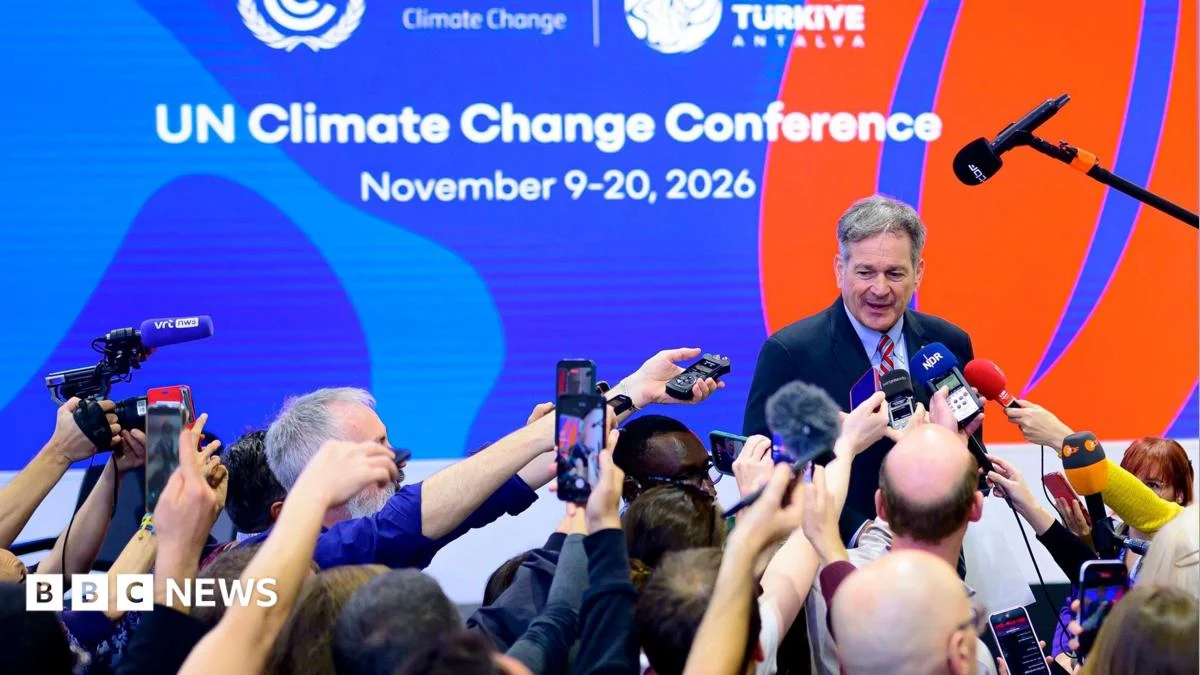
Negotiators from nearly 200 countries have reached an impasse at the COP31 climate talks, with disagreements over fossil fuel commitments preventing progress on a new global climate agreement. The deadlock centers on how forcefully the final text should address the phase-down or phase-out of coal, oil, and gas.
The COP31 climate talks represent the latest round of United Nations climate negotiations, where nations attempt to strengthen collective action against rising temperatures. According to BBC News, the fossil fuel dispute has brought proceedings to a standstill.
KEY FACTS
- Nearly 200 countries are participating in the negotiations
- Talks are deadlocked over fossil fuel language
- Goal is a new global climate agreement
- Meeting is the COP31 climate talks under the UN process
What Happens at COP Meetings?
The Conference of the Parties (COP) is the annual decision-making body of the UN Framework Convention on Climate Change. Each session brings together signatory nations to review progress, set targets, and negotiate binding or voluntary commitments. The COP31 climate talks follow previous gatherings such as COP28 in Dubai, where fossil fuel language proved equally contentious.
Agreements require consensus among all parties, meaning any single nation can block language it opposes. This structure gives outsized influence to major oil and gas producers, who have historically resisted explicit phase-out timelines.
Why Fossil Fuels Remain the Core Obstacle
The science is clear: limiting warming to 1.5°C requires rapid reductions in coal, oil, and gas use. Yet translating that consensus into treaty text has proven elusive. Some nations push for a “phase-out” of unabated fossil fuels, while others prefer “phase-down” or language tied to carbon capture technologies. The COP31 climate talks have stalled on this precise wording.
Developing nations often argue that wealthy countries must lead the transition and provide finance for clean energy deployment. Meanwhile, petrostates emphasize energy security and the economic costs of rapid transition. These competing priorities have deadlocked previous COPs and now threaten COP31 climate talks.
What We Know — and What We Don’t
Verified by the source:
- Nearly 200 countries are engaged in the COP31 climate talks
- A deadlock exists over fossil fuel provisions
- The objective is a new global climate agreement
Still unconfirmed:
- Which specific nations are blocking or championing fossil fuel language
- Whether the deadlock concerns “phase-out” versus “phase-down” wording
- If any draft text has been circulated or rejected
- How long the impasse has lasted or when talks might resume
- Whether side agreements on methane, finance, or adaptation are progressing
Why It Matters
The outcome of the COP31 climate talks will shape the next decade of global climate action. Without a credible agreement to curb fossil fuel emissions, the world remains on track for warming well above 2°C, increasing risks of extreme heat, sea-level rise, and ecosystem collapse. For readers, the deadlock signals that the hardest political choices — who cuts emissions, how fast, and who pays — remain unresolved. Climate policy watchers say the fossil fuel dispute is the single biggest test of whether the UN process can deliver science-aligned ambition.
What to Watch
Negotiators may attempt informal consultations or high-level political interventions to break the deadlock. The next signal will be whether a revised draft text emerges that bridges the fossil fuel divide.