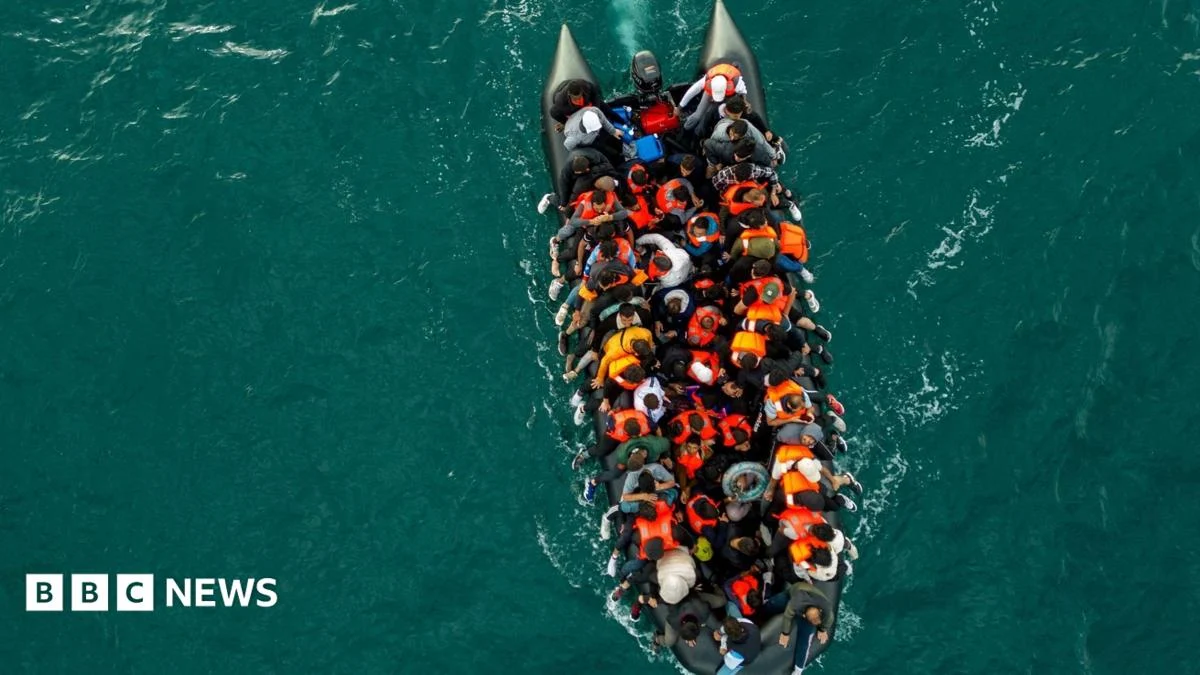
Five European Union member states have announced plans to establish a return hub in Rwanda for migrants whose asylum applications have been rejected. Germany, Denmark, Austria, Greece and the Netherlands revealed the joint initiative, which aims to accelerate the deportation of failed asylum seekers from European territory.
The announcement marks a significant shift toward coordinated external processing of asylum claims among EU nations. While individual countries have previously explored similar arrangements, this multi-state agreement represents the first collective European effort to operate a dedicated facility in Rwanda for return operations.
Key Facts
- Five EU countries — Germany, Denmark, Austria, Greece, Netherlands — announced the plan
- The facility is described as a “return hub” for failed asylum seekers
- The centre will be located in Rwanda
- Announcement reported by BBC News
- No operational timeline or capacity figures were disclosed
The Story
What the return hub means for EU migration policy
The return hub concept reflects growing frustration among EU governments with low deportation rates for rejected asylum applicants. Under current rules, member states are responsible for executing return orders, but practical obstacles — including lack of cooperation from countries of origin, legal appeals, and difficulty locating individuals — mean many orders are never carried out. A shared facility in a third country could centralise this process, though its legal basis under EU and international law remains untested.
Rwanda has prior experience hosting asylum seekers under a controversial agreement with the United Kingdom, which was ultimately blocked by UK courts. The EU countries involved will need to demonstrate that their arrangement complies with the principle of non-refoulement and the European Convention on Human Rights, which prohibit returning people to places where they face persecution or inhuman treatment.
Who is affected by the arrangement
The hub would target individuals whose asylum claims have received final negative decisions and who have exhausted all appeals. This group includes people from countries deemed safe by EU authorities, as well as those who cannot be returned to their home nations due to documentation gaps or diplomatic barriers. Human rights organisations have warned that externalising asylum processing risks weakening procedural safeguards and access to legal representation for vulnerable migrants.
Greece, as a frontline entry state, faces particular pressure from irregular arrivals across the Aegean Sea and land borders. The Netherlands and Denmark have pursued restrictive asylum policies domestically, while Germany and Austria manage large caseloads from recent migration waves. The coalition suggests a convergence of interests across northern, central and southern Europe.
What happens next for the Rwanda facility
Implementation details remain undisclosed. The countries have not specified whether the hub will operate under an EU-wide legal framework or through bilateral agreements with Rwanda. Funding mechanisms, staffing, monitoring arrangements, and the legal status of transferred individuals are all unresolved. The European Commission has not yet commented on whether the plan aligns with the EU’s New Pact on Migration and Asylum, which enters into force in 2026 and sets common rules for return procedures.
What We Know — and What We Don’t
Verified by the source:
- Germany, Denmark, Austria, Greece and the Netherlands jointly announced a return hub in Rwanda
- The facility is intended for failed asylum seekers
- The announcement was reported by BBC News
Still unconfirmed:
- When the hub will begin operations
- How many people it will process annually
- What legal framework governs transfers and detention
- Whether the European Commission or EU agencies were consulted
- Rwanda’s formal response or agreed terms
- Funding contributions from each participating country
Why It Matters
If implemented, this return hub could reshape how Europe manages the final stage of its asylum system. Success or failure will influence whether other member states pursue similar externalisation strategies, potentially redefining the EU’s relationship with international refugee law and its partnerships with African nations.
What to Watch
Watch for formal agreements between the five countries and Rwanda, legal challenges in national and European courts, and the European Commission’s assessment of compatibility with EU asylum law.