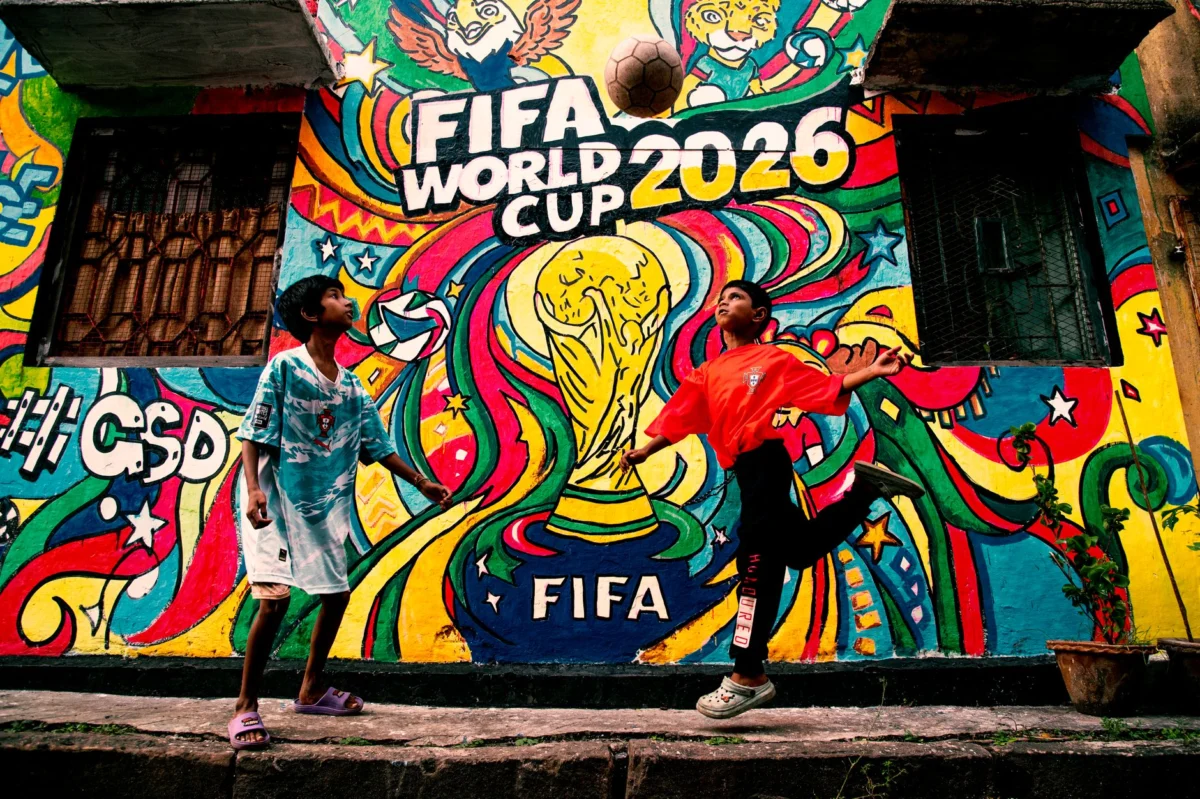
FIFA has abandoned a proposed $20 billion deal to sell commercial rights for the World Cup, as reported by the New York Post and cited by Reuters. The plan, which would have marked one of the largest financial transactions in sports history, has been scrapped without further details on the reasons behind the decision.
The move comes as a surprise given the potential scale of the deal, which could have reshaped the financial landscape of global soccer. FIFA has not yet commented publicly on the reported decision.
KEY FACTS
- FIFA has scrapped a $20 billion plan to sell commercial rights for the World Cup, according to Reuters.
- The New York Post originally reported the abandonment of the deal.
- No official statement from FIFA has been released at this time.
WHAT THIS MEANS FOR FIFA
The decision to scrap the World Cup sell-off plan raises questions about FIFA’s financial strategy. The organization has long relied on the World Cup as its primary revenue driver, and a $20 billion deal would have provided a significant influx of capital. Without this deal, FIFA may need to explore alternative funding sources to support its global operations and development programs.
WHAT WE KNOW — AND WHAT WE DON’T
Verified by the source:
- The $20 billion World Cup sell-off plan has been scrapped.
- The New York Post initially reported the news, which was then cited by Reuters.
Still unconfirmed:
- The reasons behind FIFA’s decision to abandon the deal.
- Whether FIFA is pursuing alternative financial strategies.
- The potential impact on future World Cup tournaments.
WHY IT MATTERS
The World Cup is the most-watched sporting event globally, and any major financial decision involving its commercial rights has far-reaching implications for soccer’s governing body, sponsors, and fans. The abandonment of this deal could signal a shift in how FIFA manages its most valuable asset.
WHAT TO WATCH
Attention now turns to whether FIFA will issue an official statement on the matter and what alternative plans, if any, the organization may have for securing long-term financial stability. For more on FIFA’s financial strategies, see our politics and governance coverage.