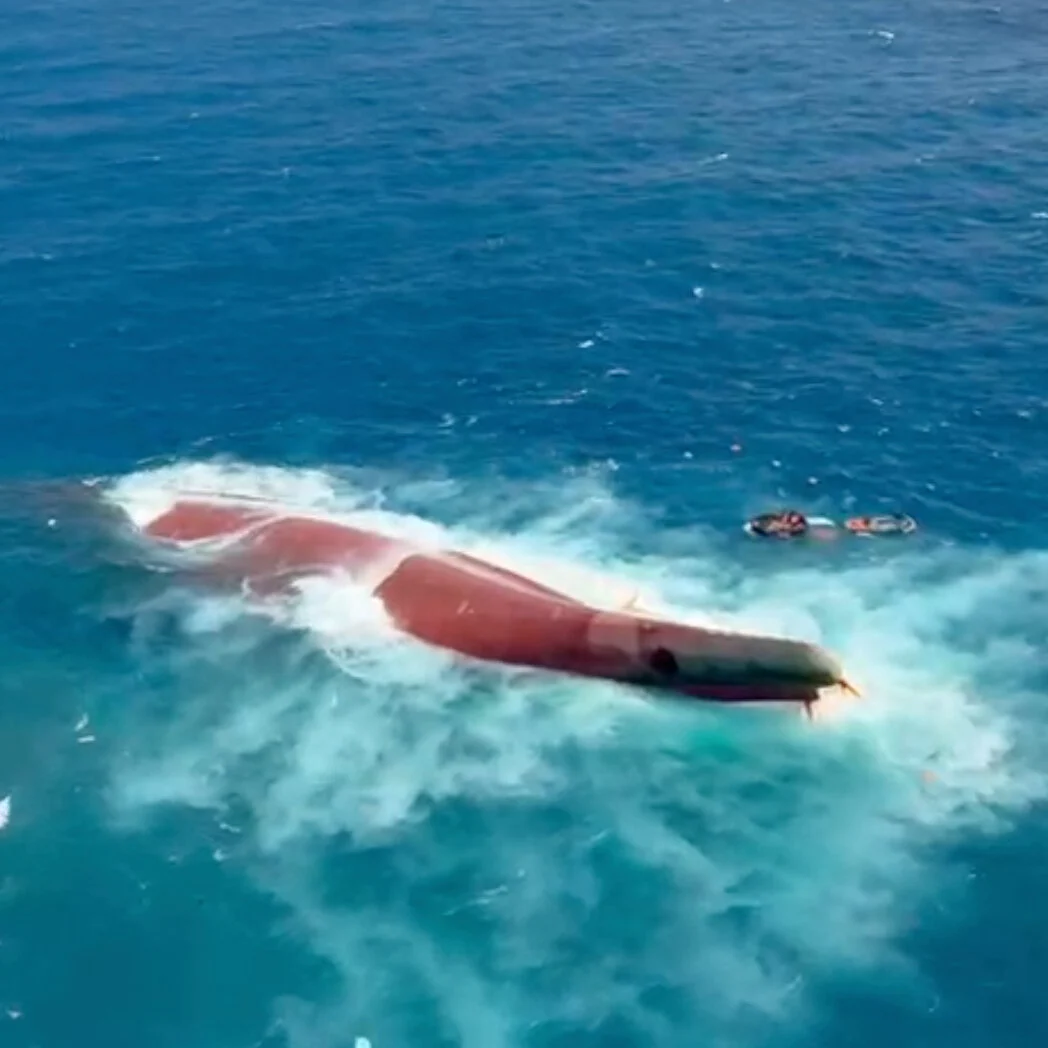
A ferry sank in the Java Sea on Sunday, leaving more than 120 people unaccounted for, authorities said. At least six people were killed and more than 100 others were rescued following the incident. The vessel’s exact route and passenger capacity remain unclear, but the scale of those missing underscores the severity of the disaster.
The incident occurred in the Java Sea, a busy maritime route between several Indonesian islands. Rescue efforts continued through the night, with naval and civilian vessels dispatched to the area. Authorities have not yet released details about the cause of the sinking, the ferry’s name, or how many people were aboard when it went down.
Key Facts
- More than 120 people are unaccounted for after a ferry sank in the Java Sea.
- At least six people were killed, according to authorities.
- More than 100 people were rescued following the sinking.
- The vessel sank on Sunday, as reported by officials.
What Happened?
The ferry sank in the Java Sea on Sunday, according to Indonesian authorities. The location is a major shipping lane, connecting several densely populated islands. Search and rescue teams responded immediately, pulling more than 100 survivors from the water. Despite these efforts, at least six bodies have been recovered, and officials report that more than 120 people remained missing at the time of their statement.
Details about the vessel itself, including its size, destination, and number of passengers on board, were not provided in the initial statements. The cause of the sinking remains unknown, and no timeline for the investigation has been announced. The lack of specific details has raised questions among local communities reliant on these sea routes for daily transportation and commerce.
Who Is Affected?
The affected individuals include passengers and crew members who were aboard the ferry when it sank. Families of the missing and deceased are now awaiting information, while survivors have been transported to nearby hospitals and temporary shelters. Authorities have not named any specific groups or regions among those affected, though ferries in this region commonly serve remote coastal villages and inter-island commuters.
Indonesia, an archipelago of thousands of islands, depends heavily on maritime transport. Ferry accidents are not uncommon, often attributed to overcrowding, poor maintenance, or severe weather. This latest incident has once again highlighted the vulnerabilities in the country’s ferry system and the urgent need for safer travel alternatives for millions of residents.
What We Know — and What We Don’t
Verified by the source:
- The ferry sank in the Java Sea on Sunday.
- At least six people were killed.
- More than 100 people were rescued.
- More than 120 people are still unaccounted for.
Still unconfirmed:
- The name and type of the ferry.
- The total number of people on board.
- The cause of the sinking.
- The identities or origins of the missing.
Why It Matters
Ferry travel is a lifeline for millions of Indonesians navigating an archipelago of over 17,000 islands. Incidents like this highlight ongoing safety challenges in public transportation and the urgent need for improved oversight and emergency response across the region’s maritime networks.
What To Watch
Authorities are expected to provide updates on rescue operations and the investigation into the cause of the sinking. As recovery efforts continue, families and communities are waiting for answers and accountability.
Read more on war-geopolitics | Read more on climate-environment