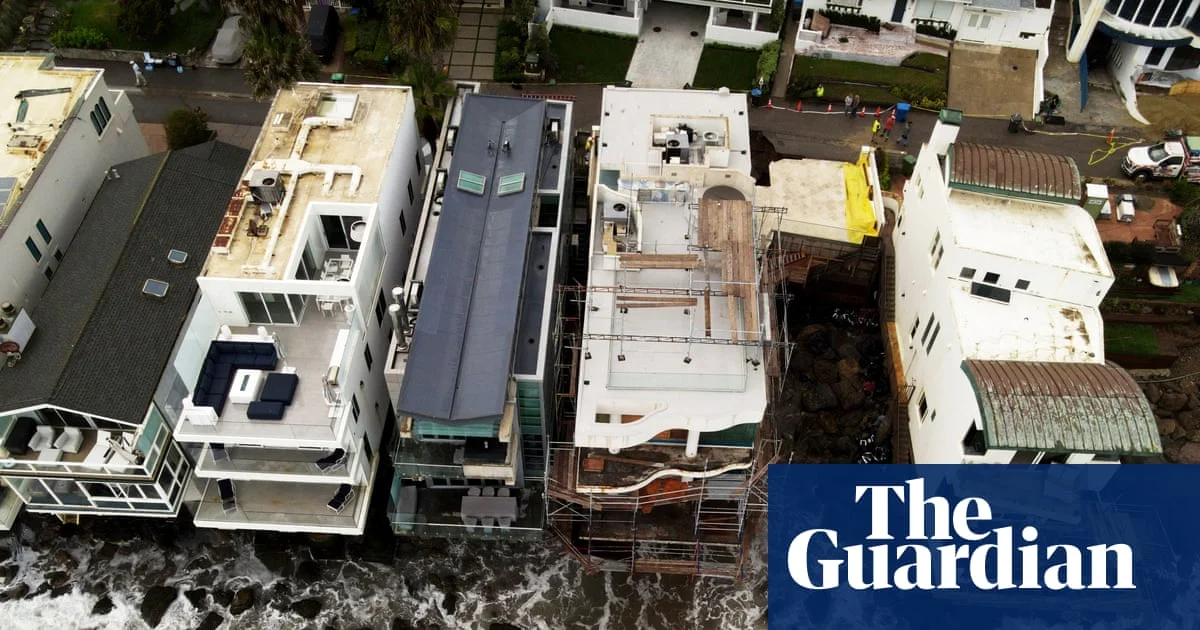
Flooding in eastern India and hurricane-linked damage in California highlight the growing threat of extreme weather events, with flood damage displacing communities and straining infrastructure in multiple regions.
According to World news | The Guardian, severe flooding in West Bengal, India, has resulted in fatalities, submerged villages, and mass evacuations, while coastal erosion and infrastructure collapse have been reported in Orange County, California.
KEY FACTS
- Flood damage in West Bengal has led to three recorded deaths.
- More than 100 boats are being used for evacuation efforts in affected Indian regions.
- A 20ft embankment collapse at East Basudevpur reduced a channel from 550ft to under 150ft.
- The Ganges River rose around 75cm above its extreme danger level due to heavy rainfall.
- Severe beach erosion has been reported in Orange County, California.
What Caused Widespread Flood Damage?
The flood damage in West Bengal began after heavy rainfall caused the Ganges River to rise significantly above its extreme danger level. This surge overwhelmed natural and manmade barriers, leading to widespread inundation around the city of Malda and nearby areas including Bhutni and Khaskol.
River erosion in Khaskol disrupted normal water flow, intensifying the impact on downstream regions. Authorities responded by deploying over 100 boats to assist with evacuations, though many villages remain underwater. The destruction of a critical embankment at East Basudevpur worsened conditions by narrowing the local drainage channel, increasing the risk of additional flooding if repairs are not completed.
Who Is Affected by the Flood Damage?
Residents of multiple villages in West Bengal, particularly those near Malda, Bhutni, and East Basudevpur, are among the most affected populations. With homes submerged and evacuation routes limited, local communities are facing immediate displacement and loss of basic services.
In California, officials are addressing severe beach erosion linked to recent storm activity. While no fatalities have been reported there, infrastructure along the coast has sustained measurable harm, raising concerns about long-term environmental and economic consequences in the region.
What Happens Next?
Emergency teams continue rescue and evacuation operations in India using available boats and personnel. Repair crews are expected to assess damage to the collapsed embankment and determine whether temporary measures can prevent further breaches while permanent fixes are planned.
Weather forecasts for the coming days will influence whether floodwaters recede naturally or continue rising. In California, monitoring systems remain active to track coastal changes and protect remaining infrastructure from additional erosion effects.
WHAT WE KNOW — AND WHAT WE DON’T
Verified by the source:
- At least three deaths have occurred in West Bengal due to flooding.
- River levels exceeded extreme danger thresholds, contributing to widespread damage.
- Beach erosion and an embankment collapse have occurred in California and India respectively.
Still unconfirmed:
- The total number of displaced persons or missing individuals remains unknown.
- No specific timeline or funding details have been provided for embankment repairs.
- Cause-and-effect relationship between hurricanes and California erosion is not explicitly confirmed.
WHY IT MATTERS
Extreme weather events are becoming more frequent and intense globally, making accurate reporting essential for public awareness and emergency preparedness. Understanding where flood damage occurs helps policymakers prioritize disaster response resources and update resilient infrastructure standards proactively.
WHAT TO WATCH
Monitoring updates on embankment repairs and continued rainfall forecasts will clarify whether flood conditions stabilize or escalate further across both regions. Stay informed through reliable news sources covering climate-environment developments.