United Ireland
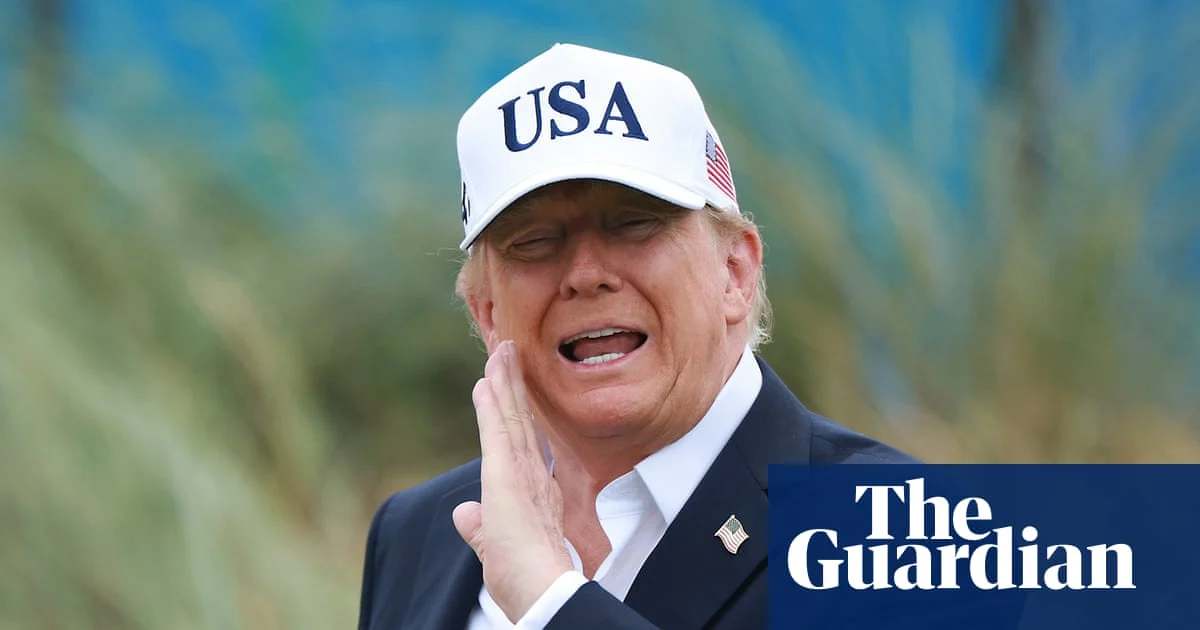
US President Donald Trump has once again expressed public support for the idea of a united Ireland, brushing aside criticism from UK political figures who oppose holding a new referendum on Irish reunification.
In a recent interview, Trump suggested that political resistance—particularly from officials in London—should not prevent momentum behind the issue. He emphasized that public sentiment can shift quickly and unpredicted, echoing his broader style of commentary on geopolitical topics.
His remarks come at a time of renewed discussion about the future status of Northern Ireland, though no formal steps toward a referendum have been announced by any official UK body.
- Donald Trump reaffirmed support for a united Ireland.
- He dismissed opposition to a referendum, including from Andy Burnham.
- He said, “Everybody says that. Then things happen.”
- Trump indicated he would lift tariffs on Irish whiskey.
- The comments were made during a Sunday interview.
What Happens Next?
The renewed push for a united Ireland from a US president introduces an unexpected layer into an already complex regional debate. While Trump’s statement aligns with his pattern of inserting himself into foreign policy matters beyond traditional US interests, it may influence public discourse in both the UK and Ireland.
A referendum on Irish unification requires formal agreement between the governments of the Republic of Ireland and the United Kingdom under the Good Friday Agreement. Neither government has currently signaled intent to trigger such a process. Tariff policy, which Trump referenced, typically falls under trade negotiations managed through international agreements, not unilateral presidential pronouncements.
Public polling in Northern Ireland remains divided, with no clear majority favoring immediate change. Any significant shift would likely require a sustained campaign and cross-community consensus. Trump’s involvement could galvanize supporters but may also deepen skepticism among those wary of external influence.
Who Is Affected?
Residents of Northern Ireland stand at the center of this discussion, as any change in constitutional status would directly impact governance, identity, and daily life across the region. Political leaders in both the UK and Ireland hold the primary responsibility for determining whether and how a referendum might proceed.
Andy Burnham, mentioned in the summary, serves as Mayor of Greater Manchester in England and has previously voiced concerns about holding a vote without sufficient preparation. His stance reflects broader cautious sentiment among some UK officials regarding rapid constitutional changes.
Meanwhile, economic stakeholders—including those in agriculture and spirits industries—could face disruption if tariff policies shift. However, Trump’s promise to remove tariffs on Irish whiskey appears to reference past trade disputes rather than a concrete legislative proposal at present.
- Trump reiterated his support for a united Ireland during a Sunday interview.
- He criticized opposition figures, including Andy Burnham, for resisting a referendum.
- He stated he would eliminate tariffs on Irish whiskey if appropriate.
- He used the phrase “Everybody says that. Then things happen.”
Still Unconfirmed:
- No official plan for a referendum has been disclosed by UK or Irish authorities.
- It is unclear whether Trump’s tariff pledge relates to current trade policy.
- Details surrounding the context or timing of his comments remain unspecified.
Why It Matters
Trump’s latest comments highlight how high-profile individuals outside the region can amplify debates tied to sovereignty and self-determination. Though not binding, such statements contribute to the information landscape shaping voter perceptions ahead of any future decision point.
The issue connects deeply to questions of peace, stability, and cooperation in Europe. Even symbolic shifts in rhetoric carry weight in environments where trust and clarity are essential for long-term governance.
What To Watch
Stakeholders will monitor whether subsequent actions match Trump’s verbal commitments. Officials in Belfast, Dublin, and London have yet to respond formally to his recent declarations.