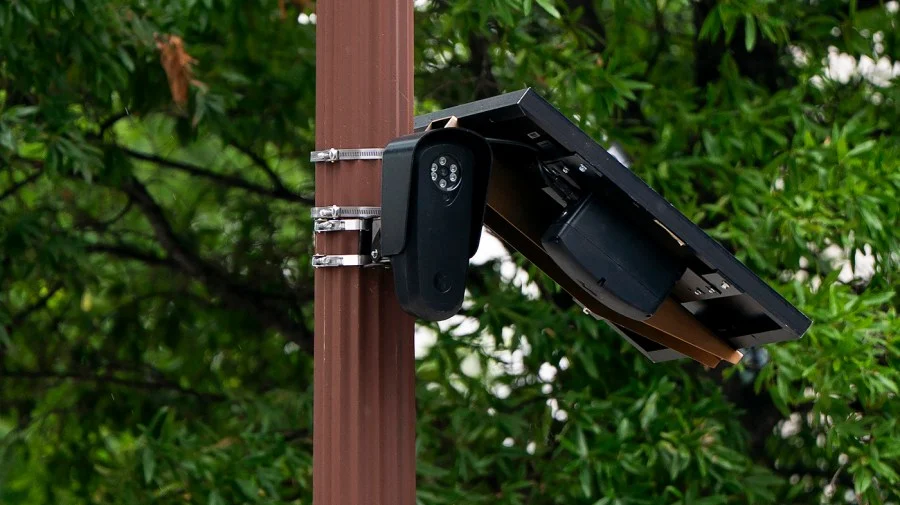
A federal judge in Oklahoma ruled Friday that warrantless searches using AI-powered surveillance camera data may violate the Fourth Amendment when conducted without adequate probable cause. The ruling specifically addressed the type of technology used by Flock Safety, a company known for its extensive network of automated license plate readers. The judge emphasized that individuals have a reasonable expectation of freedom from persistent, dragnet-style surveillance even in public spaces.
This decision marks a significant moment in ongoing legal debates over how modern surveillance technologies intersect with constitutional protections. The Fourth Amendment guards against unreasonable searches and seizures, traditionally requiring law enforcement to obtain a warrant supported by probable cause. However, as AI-enhanced cameras become more widespread, courts are grappling with whether real-time or retrospective analysis of public movement data constitutes a search under the Constitution.
Key Facts
- An Oklahoma federal judge ruled that warrantless searches using AI-powered surveillance camera data may violate the Fourth Amendment.
- The ruling addressed data collection methods similar to those used by Flock Safety, a company specializing in AI-powered surveillance cameras.
- The judge stated that freedom from persistent, dragnet-style surveillance in public is a reasonable expectation under society’s standards.
- The court emphasized that such searches require adequate probable cause to comply with constitutional requirements.
What Legal Precedent Applies?
The ruling draws on established Fourth Amendment jurisprudence regarding expectations of privacy in public spaces. While individuals generally do not have a reasonable expectation of privacy in their movements on public streets, recent Supreme Court decisions have clarified that long-term, comprehensive tracking through digital means can amount to a search. In Carpenter v. United States (2018), the Supreme Court ruled that accessing historical cell phone location data requires a warrant, setting a precedent for how courts evaluate bulk data collection technologies. Similarly, this judge applied analogous reasoning to AI-powered surveillance systems that compile detailed timelines of vehicle movements across broad geographic areas.
Flock Safety operates one of the largest networks of automated license plate recognition (ALPR) cameras in the United States, partnering with thousands of law enforcement agencies. These cameras automatically capture license plates, timestamps, and vehicle attributes, storing the data for extended periods. Law enforcement can then use AI algorithms to analyze patterns, identify suspects, or investigate crimes. The judge’s ruling highlights concerns about the scope of such surveillance when deployed without judicial oversight. Courts must now weigh whether the aggregation of seemingly innocuous public observations into comprehensive behavioral profiles crosses constitutional thresholds.
Who Is Affected by This Decision?
The ruling affects millions of Americans whose daily commutes, shopping trips, and travel routes are recorded by privately operated ALPR networks. Flock Safety claims its system helps solve serious crimes, including homicides, Amber Alerts, and human trafficking cases. However, civil liberties groups argue that pervasive monitoring creates a de facto surveillance state, chilling freedom of movement and association. Local police departments relying on Flock data for investigations may need to adjust procedures to comply with the new legal standard.
Federal prosecutors and other jurisdictions could see similar challenges as defense attorneys cite this ruling in pending cases. Technology companies selling AI analytics tools to law enforcement face mounting scrutiny over how their products interact with constitutional rights. If upheld on appeal, the decision may reshape national standards for digital surveillance, influencing legislation and policy frameworks nationwide. Several states have already introduced bills to restrict ALPR usage, reflecting growing bipartisan concern about unchecked technological expansion.
What We Know — and What We Don’t
Verified by the source:
- A federal judge in Oklahoma ruled on Friday regarding warrantless searches involving AI-powered surveillance camera data.
- The decision references technology akin to Flock Safety’s surveillance systems.
- The judge cited the Fourth Amendment and probable cause as key considerations.
- Society’s expectation against persistent, dragnet-style surveillance was cited in the ruling.
Still unconfirmed:
- The specific case name, docket number, or factual circumstances prompting the lawsuit.
- Whether the ruling applies nationwide or only within that district.
- Official responses from Flock Safety or affected law enforcement agencies.
- Timeline for potential appeals or further court proceedings.
Why It Matters
As artificial intelligence and automated surveillance tools proliferate across American cities, courts are increasingly called upon to interpret timeless constitutional principles in novel technological contexts. This ruling underscores a fundamental tension between public safety imperatives and individual liberties. With both Republicans and Democrats expressing concern over government overreach, the outcome may influence future congressional action. Citizens deserve transparency about how their data is collected, stored, and analyzed—especially when funded by taxpayer dollars. The intersection of privacy, technology, and justice will continue shaping democratic discourse for years ahead.
Meta Description: An Oklahoma federal judge ruled warrantless searches using AI-powered surveillance camera data may violate the Fourth Amendment without probable cause.
What to Watch: It remains unclear whether the ruling will be appealed or how other courts might respond. Officials from Flock Safety and relevant law enforcement agencies have not yet commented publicly on the judgement.
For updates on related developments in politics and technology policy, stay tuned to SourceRated.