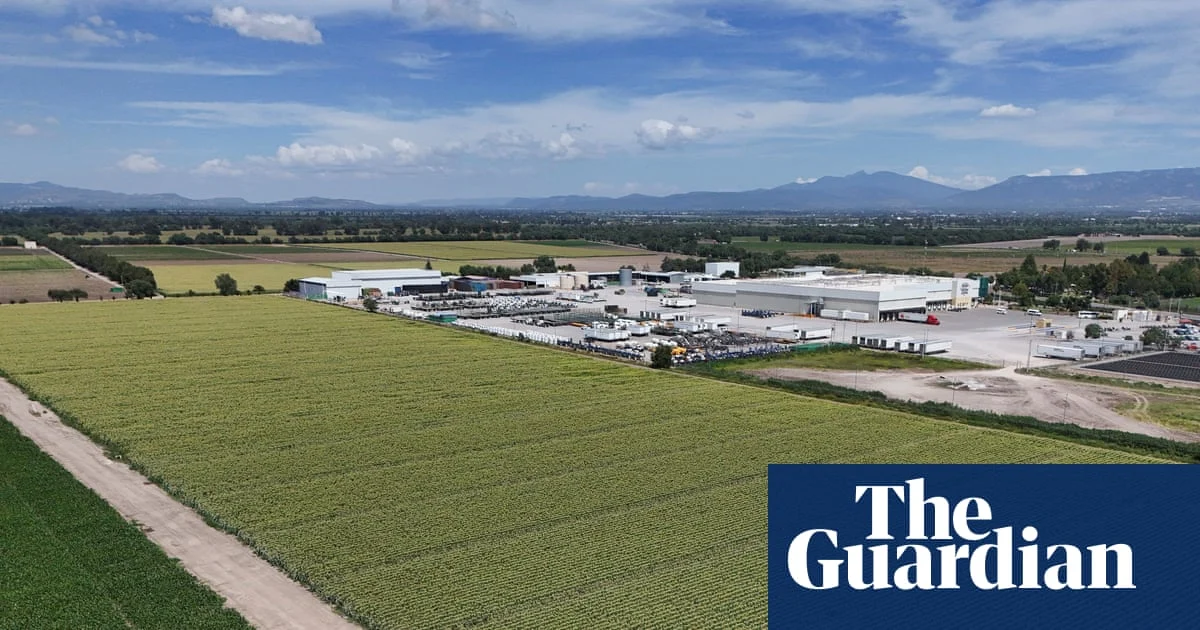
FDA inspectors confirmed cyclospora contamination at a Mexican farm tied to the largest cyclospora outbreak in U.S. history, which left nearly 13,000 people ill before health officials declared it over.
The contamination was found in a wastewater tank and a drainage ditch used for lettuce cultivation at the implicated facility. It remains unclear how the lettuce became infected.
KEY FACTS:
- FDA inspectors detected cyclospora at a Mexican farm linked to a U.S. outbreak.
- Cyclospora was found in two locations: a wastewater tank and a drainage ditch used for lettuce cultivation.
- Nearly 13,000 people were infected during the outbreak.
- The CDC declared the outbreak over.
- It is unclear how the lettuce became infected.
Where the Contamination Was Found
FDA inspectors identified cyclospora in two distinct areas of the Mexican farm tied to the outbreak. The first location was a wastewater tank, and the second was a drainage ditch used for lettuce cultivation. These findings suggest a possible link between water systems and the spread of the parasite to the crops.
Cyclospora cayetanensis is a microscopic parasite that causes cyclosporiasis, an intestinal illness with symptoms including diarrhea, stomach cramps, and fatigue. Unlike many foodborne pathogens, cyclospora is not spread directly from person to person and typically originates from contaminated water or food, often leafy vegetables like lettuce.
Who Is Affected and Why This Matters
The outbreak, declared the largest of its kind in U.S. history, infected nearly 13,000 people across multiple states. The CDC previously tracked the spread before officially announcing the end of the outbreak, marking a significant public health milestone.
Lettuce and other leafy greens have been linked to previous cyclospora outbreaks, though the specific source of contamination is often difficult to trace. In this case, the FDA’s identification of the farm and confirmation of cyclospora presence offers a starting point for further investigation, though the exact transmission pathway remains uncertain.
How Did We Get Here?
The U.S. Food and Drug Administration conducted an inspection at the Mexican farm linked to the outbreak. Inspectors tested samples from the wastewater tank and drainage ditch and confirmed the presence of cyclospora, the parasite responsible for cyclosporiasis.
While officials have not determined how the lettuce became infected, the proximity of contaminated water systems to growing areas suggests a possible route. The FDA has not indicated whether additional inspections or import restrictions will follow this finding.
What We Know — and What We Don’t
Verified by the source:
- The FDA detected cyclospora at the Mexican farm linked to the outbreak.
- Cyclospora was found in a wastewater tank and a drainage ditch used for lettuce cultivation.
- The outbreak infected nearly 13,000 people.
- The CDC declared the outbreak over.
Still unconfirmed:
- The exact mechanism by which the lettuce became infected.
- Whether additional farms or import sources are affected.
- Whether U.S. import regulations will change as a result.
Why It Matters
This cyclospora outbreak highlights ongoing vulnerabilities in the food supply chain, particularly when fresh produce crosses international borders. With thousands sickened and the largest outbreak on record, the incident underscores the challenges of tracing and preventing contamination at scale.
What to Watch
Health officials have not yet indicated whether follow-up inspections or import policy changes will occur in response to the FDA’s findings. Future statements from the FDA or CDC may provide clearer guidance on remediation efforts.