Lede
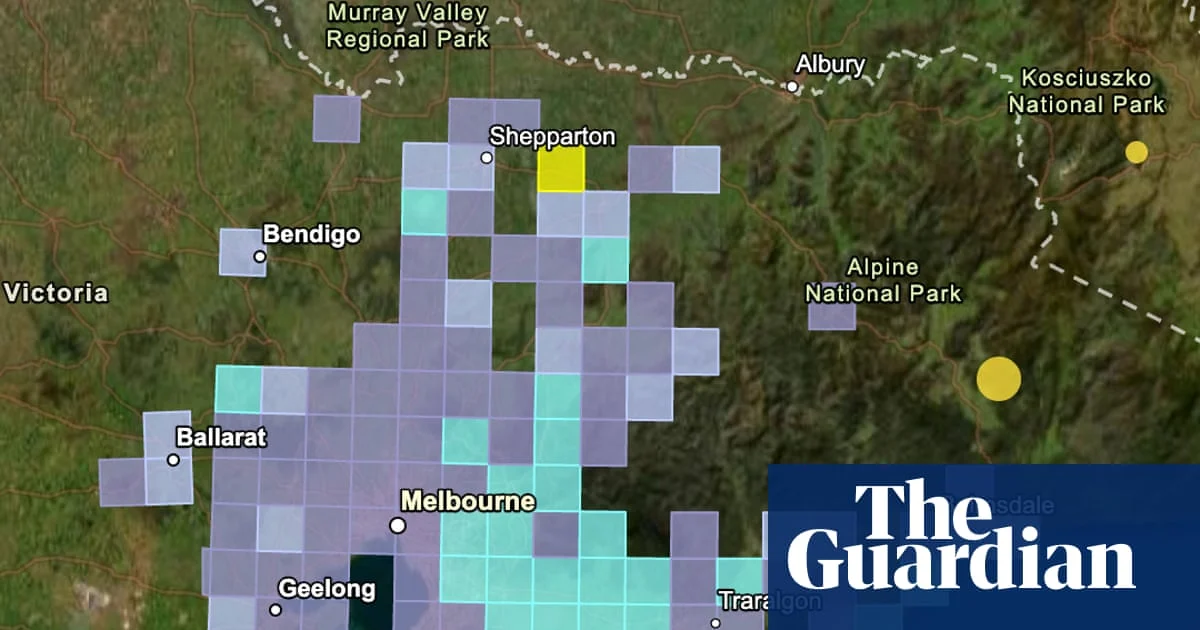
A magnitude 4.8 earthquake struck near Leongatha, Victoria, just after 2am Saturday, with tremors felt across Melbourne. Geoscience Australia confirmed the quake, locating its epicentre 130km southeast of Melbourne. Residents reported shaking homes as the tremor disrupted sleep across the region.
The event underscores Australia’s position on the Pacific Ring of Fire, where seismic activity is common but often moderate. While no major damage has been reported so far, the wide-reaching impact highlights how even moderate quakes can affect densely populated areas. Authorities have not yet issued further updates on structural impacts or injuries.
Key Facts
- A magnitude 4.8 earthquake struck Victoria early Saturday morning.
- The epicentre was near Leongatha, 130km southeast of Melbourne.
- Tremors were felt across Melbourne’s eastern suburbs.
- The quake occurred at 2:01am, according to Geoscience Australia.
- Residents reported houses shaking during the tremor.
The Story
What happens next?
Geoscience Australia typically issues revised magnitudes and location details within hours of a significant quake. These updates help emergency services and engineers assess potential damage. For this event, the agency noted a preliminary magnitude of 4.8, meaning later adjustments could occur.
Authorities in Victoria have not yet provided damage assessments or casualty reports. Local councils and utility providers often inspect infrastructure after notable tremors. Given Melbourne’s proximity to the epicentre, residents remain alert for aftershocks, which are common following mainshocks of this scale.
Emergency services advise the public to stay informed through official channels such as the Bureau of Meteorology and state disaster management agencies. Social media has already filled with firsthand accounts from residents describing sudden jolts and rattling windows.
Who is affected?
The tremor impacted areas across Melbourne, particularly its eastern suburbs located closest to the epicentre. Homes and buildings experienced noticeable shaking, though structural damage has not been confirmed at this stage. In urban environments, older structures sometimes suffer minor cracks during such events.
Rural communities around Leongatha may also have felt strong ground motion depending on soil conditions. Soft sediments amplify seismic waves, increasing perceived shaking intensity compared to harder rock surfaces. No evacuation orders have been issued by local governments.
Hospitals and healthcare facilities routinely prepare for seismic events by securing equipment and practicing emergency protocols. However, no hospitals have publicly reported operational disruptions related to this earthquake as of now.
How did we get here?
Australia sits atop the Indo-Australian tectonic plate, experiencing frequent but generally low-magnitude seismic activity. Most earthquakes occur along fault lines, including those in southeastern Victoria. While not as seismically active as New Zealand or Japan, Australia records hundreds of quakes annually.
Geoscience Australia monitors these events using a network of seismographs placed throughout the continent. Their rapid detection capability enables timely public alerts via the ‘Earthquake’ app and website notifications. This system helps reduce risks associated with unexpected ground shaking.
Historically, Victoria has seen several notable earthquakes over the past century, including a 5.8-magnitude quake in 2009 near Marysville. Though infrequent, larger quakes remind residents of the importance of preparedness measures recommended by state disaster readiness programs.
What We Know — and What We Don’t
Verified by the source:
- The earthquake had a preliminary magnitude of 4.8.
- It occurred at 2:01am near Leongatha.
- The epicentre was 130km southeast of Melbourne.
- Tremors were felt in Melbourne’s eastern suburbs.
- House shaking was reported by residents.
Still unconfirmed:
- Any reports of injuries or casualties.
- Confirmed structural damage to buildings or infrastructure.
- Official emergency response deployments or warnings issued.
- Whether additional aftershocks have occurred since the mainshock.
- Final revised magnitude or updated hypocentre data pending review.
Why It Matters
Even moderate earthquakes pose risks to life and property, especially when their effects extend into major cities like Melbourne. Understanding seismic patterns helps governments plan better building codes and public safety responses. For everyday Australians, staying aware of shaking trends improves personal resilience during natural disasters. Learn more about regional incidents through our war-geopolitics coverage and global developments tracked under climate-environment.
What To Watch
The public should monitor updates from Geoscience Australia regarding revised magnitude estimates and aftershock activity. Emergency services may release safety advisories if new concerns arise from the tremor.