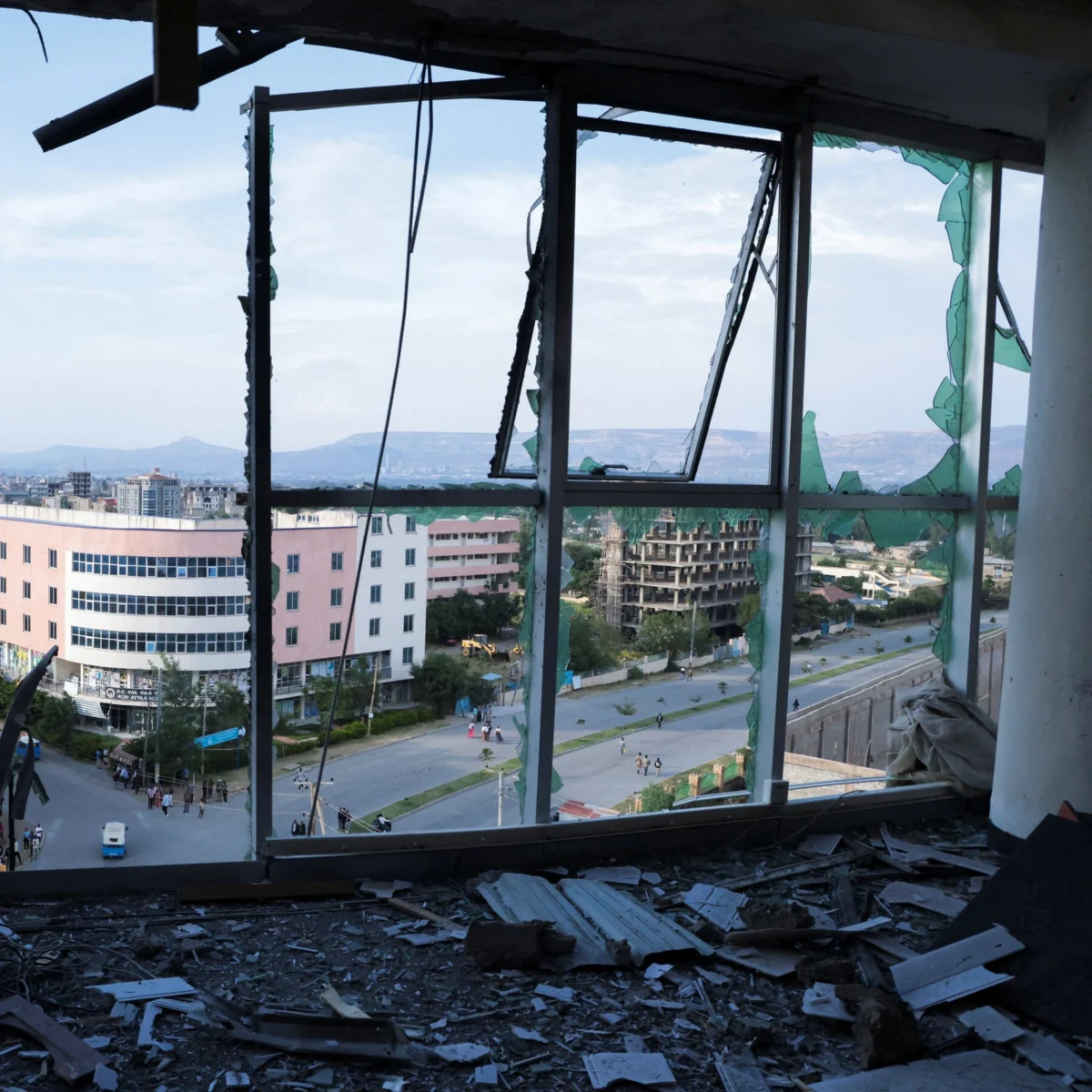
The Tigray conflict in northern Ethiopia has reignited fears of a broader regional war in the Horn of Africa. The fighting is pulling in foreign powers, including Eritrea, Egypt, the United Arab Emirates, and Saudi Arabia. Analysts warn that escalating involvement by these external actors could deepen instability across the region, threatening peace and security beyond Ethiopia’s borders.
The conflict centers on Tigray, a region in northern Ethiopia where hostilities have flared between Ethiopian government forces and Tigray People’s Liberation Front (TPLF) rebels. Since violence resumed, the Tigray conflict has drawn attention from neighboring countries and global powers concerned about spillover effects. Eritrea, which shares a border with Tigray, has been accused of entering the conflict, while Egypt and Gulf states have shown strategic interest in Ethiopia’s internal stability due to regional influence and energy investments.
KEY FACTS
- Tigray conflict is raising fears of a regional war in the Horn of Africa.
- Foreign powers involved in the Tigray conflict include Eritrea, Egypt, UAE, and Saudi Arabia.
- The Horn of Africa region faces heightened instability due to the Tigray conflict.
- External actors are drawn into the Tigray conflict amid broader geopolitical tensions.
What Is the Tigray Conflict?
The Tigray conflict began when tensions between Ethiopia’s central government and the regional Tigray authorities escalated into open warfare. The Tigray People’s Liberation Front (TPLF), once a dominant political party in Ethiopia, now leads an armed rebellion against Prime Minister Abiy Ahmed’s government. The conflict has caused significant humanitarian suffering, displacement, and destruction in Tigray, though exact figures remain disputed due to restricted access for aid organizations and journalists.
Regional and international concern stems from past precedents in which conflicts in one Horn of Africa country spilled into neighboring states. For example, civil wars in Somalia and Yemen have drawn in regional actors, leading to prolonged instability. In the case of the Tigray conflict, Eritrea’s historical ties to Tigray and Egypt’s reliance on the Nile—which flows through Ethiopia—add layers of strategic complexity. Foreign powers are watching closely, unsure how the Tigray conflict might reshape alliances or trigger refugee flows.
Who Is Affected by the Tigray Conflict?
Millions of people inside Tigray have been affected by the Tigray conflict, with reports of famine, disease outbreaks, and mass displacement. Neighboring countries such as Sudan have received tens of thousands of refugees fleeing the Tigray conflict. The broader Horn of Africa population is also at risk if the Tigray conflict expands militarily or destabilizes trade routes and water resources shared across borders.
The involvement of Eritrea, Egypt, the United Arab Emirates, and Saudi Arabia in the context of the Tigray conflict signals potential for wider confrontation. Egypt and Saudi Arabia have previously supported Ethiopia in diplomatic forums but may recalibrate their stance depending on how the Tigray conflict evolves. The United Arab Emirates has maintained military presence in neighboring Eritrea, adding another layer of foreign interest in the Tigray conflict.
WHAT WE KNOW — AND WHAT WE DON’T
Verified by the source:
- The Tigray conflict is raising fears of a regional war in the Horn of Africa.
- Foreign powers involved include Eritrea, Egypt, the UAE, and Saudi Arabia.
- The Horn of Africa is experiencing increased geopolitical tension due to the Tigray conflict.
Still unconfirmed:
- Precise timelines and current front lines of the Tigray conflict.
- Exact roles played by each foreign power in the Tigray conflict.
- Humanitarian toll and casualty numbers from the Tigray conflict.
Why It Matters
A prolonged or expanded Tigray conflict threatens not only millions of civilians but also the fragile peace architecture of the Horn of Africa. Regional instability could disrupt trade, displace populations, and strain diplomatic relationships among African Union members and global partners invested in containment.
What To Watch
Diplomatic developments and statements from Ethiopia and foreign governments will shape whether the Tigray conflict remains localized or triggers broader military engagement.