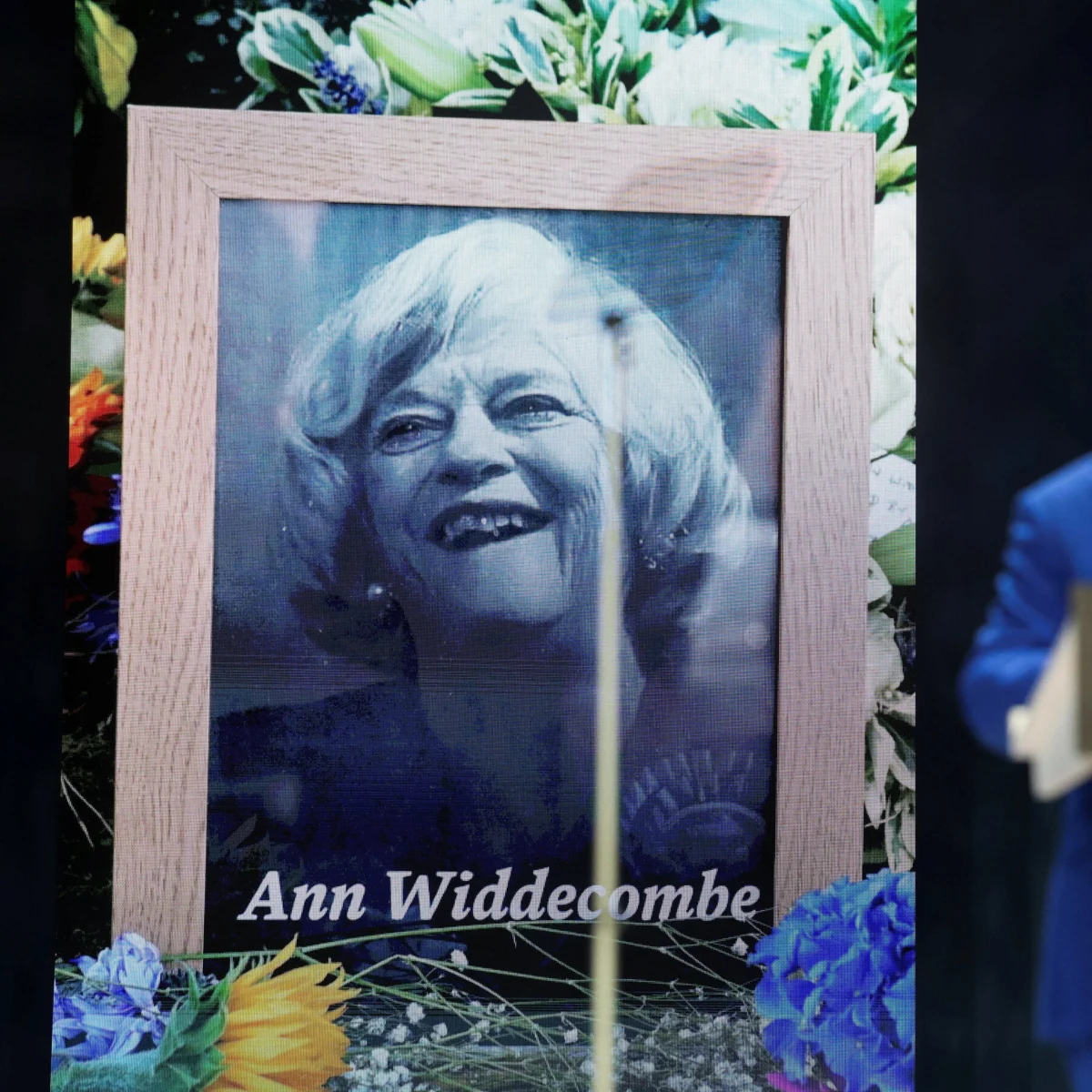
Joshua Kerry, accused of killing former British lawmaker Ann Widdecombe, has been charged with preparing acts of terrorism, including against Nigel Farage, NYT > World News reported. The charges were filed Friday and add a national-security dimension to a case already marked by violence. Kerry, 28, is accused of planning terrorist acts targeting public figures beyond the fatal attack on Widdecombe.
The terrorism charges suggest prosecutors believe the stabbing was not an isolated crime but part of a broader pattern of premeditated violence. By expanding the scope of the case, authorities may be signaling that the threat extended beyond one victim. The inclusion of Nigel Farage among potential targets underscores how the allegation reaches into the upper tier of British political life. Still, the full basis for those additions remains undisclosed, leaving key questions about motives and planning unanswered.
Key Facts
- Joshua Kerry, 28, was charged Friday with preparing acts of terrorism.
- Kerry is also accused of killing former lawmaker Ann Widdecombe.
- Charges include preparing terrorism acts against Nigel Farage.
- The case was reported by NYT > World News.
- New charges suggest a wider national-security concern, not just a single homicide.
The Story
What Happens Next?
Authorities have not released further details on the evidence behind the terrorism charges. Legal experts say such charges often rely on intercepted communications, surveillance footage, or recovered written material showing intent. Until formal court documents are made public, much of the factual basis remains sealed. Kerry is expected to appear in court soon, though no date has been confirmed. Investigators continue to determine whether others were involved or targeted. Prosecutors may also decide whether additional suspects will face charges. Meanwhile, security measures around public figures remain under review. Officials have not commented publicly on the broader implications of the case.
Who Is Affected?
The charges affect not only the families of the named victims but also the general public, particularly those engaged in political activity. Ann Widdecombe, a former Conservative Party member known for her strong views, became a target. Nigel Farage, leader of Reform UK and a prominent Brexit advocate, is said to have been among the intended targets. Other unnamed individuals may also be implicated. The case raises questions about how the state protects politicians from politically motivated violence. It may also influence upcoming discussions on security protocols for elected officials. Public trust in law enforcement’s ability to prevent such attacks could hinge on how transparently the investigation proceeds. Civil liberties groups are likely to monitor any expansion of surveillance powers tied to the case.
How Did We Get Here?
The case began with the fatal stabbing of Ann Widdecombe, a respected figure in British politics. Police initially treated the incident as a targeted killing. However, the arrest and charging of Joshua Kerry introduced a new layer involving terrorism. Prosecutors appear to have gathered sufficient evidence to elevate the nature of the crime beyond murder. This shift implies that investigators uncovered signs pointing to ideological motivation or planned disruption. The involvement of national-security agencies suggests coordination across multiple departments. While specifics remain limited, the case echoes past concerns about lone actors inspired by extremist ideologies. The judicial process now must balance swift justice with protecting ongoing investigations.
What We Know — and What We Don’t
Verified by the source:
- Joshua Kerry was charged with preparing acts of terrorism.
- The charges include preparation of acts against Nigel Farage.
- Kerry is accused of killing Ann Widdecombe.
Still unconfirmed:
- The specific evidence supporting the terrorism charges.
- A timeline of when the alleged planning occurred.
- Whether other suspects or targets are involved.
- The identity of any organizations or affiliations linked to Kerry.
Why It Matters
This development matters because it blends criminal violence with national-security fears, potentially reshaping how Britain addresses threats against its political class. When attacks blur the lines between personal grievance and ideological intent, governments often respond with stricter laws and expanded oversight. Citizens deserve clarity on whether their leaders are safe from politically driven violence. At stake is both public safety and the health of democratic discourse. If the case reveals systemic vulnerabilities, it could prompt parliamentary inquiries into protection strategies.
What To Watch
All eyes will turn to the next court hearing, where charges may be detailed further. Officials have yet to comment beyond confirming the filing of charges.