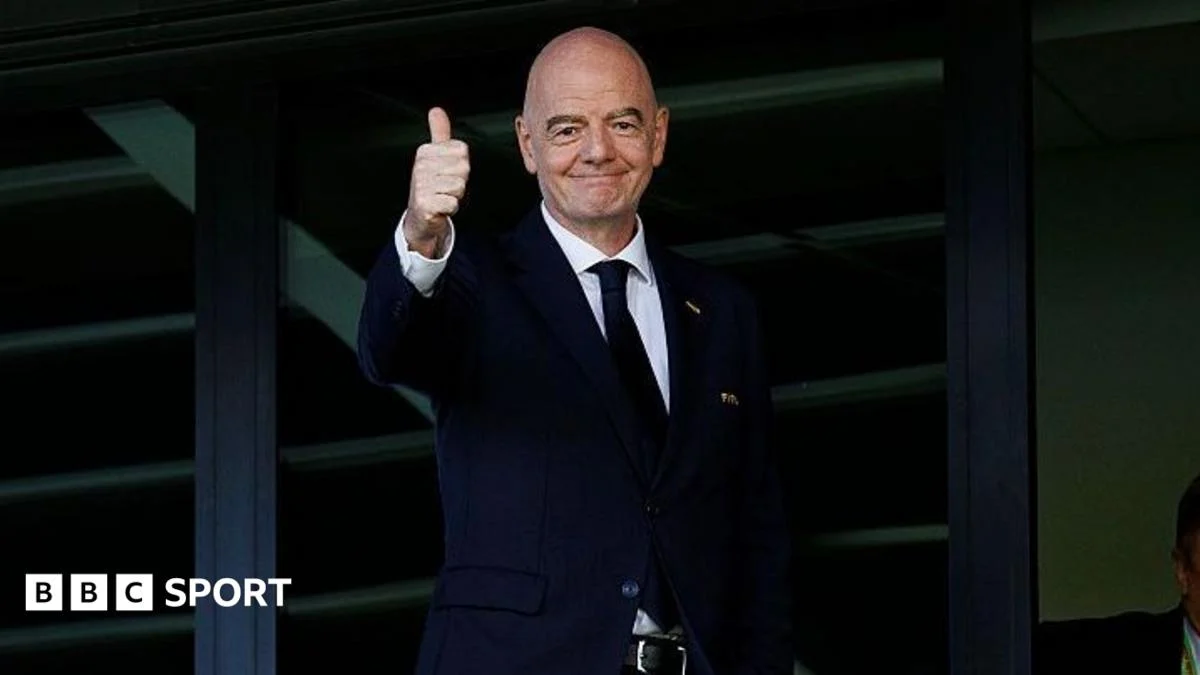
FIFA president Gianni Infantino has been told to release all documents relating to his controversial plan to sell off a stake in the World Cup.
The demand comes from the Football Association (FA), which issued a formal request to FIFA for the full set of records tied to the proposed commercial restructuring involving the World Cup. BBC News reported that the FA specifically wants transparency around the decision-making process for any potential sale or partial stake transfer of future World Cup hosting rights or revenues.
Key Facts
- FIFA president Gianni Infantino has been asked to release all documents about his World Cup sell-off plan.
- The Football Association (FA) made the formal request for transparency.
- The request concerns documents related to selling a stake in the World Cup.
- BBC News reported that the FA wants details about the decision-making process behind any potential sale.
Who Is Affected By This Demand?
The demand directly impacts FIFA’s leadership and governance structure, as it places pressure on President Infantino to justify or disclose internal discussions about commercializing the World Cup. For national associations like the FA, the request reflects growing concern among federations about how major tournament revenues are negotiated and distributed. The outcome could influence future FIFA Congress decisions and alter the balance of financial control within international football.
If documents show irregular procedures, lack of member consultation, or unclear ownership structures, it might trigger formal complaints or motions at upcoming FIFA meetings. Smaller federations may also take note: their voting power and financial stakes depend on transparent dealings with global tournaments. This situation mirrors past controversies involving private equity bids for sports rights, where public scrutiny followed allegations of insufficient oversight.
How Did We Get Here?
Rumors about a potential sale or partial transfer of World Cup commercial rights first surfaced months ago, sparking backlash from various football stakeholders. The FA’s push for documentation aligns with broader calls for reform in sports governance, especially regarding secretive financial arrangements that bypass standard approval processes. BBC News indicated that the FA’s move follows mounting criticism from analysts and former officials questioning whether such deals serve the long-term interests of the sport or prioritize short-term gains for select parties.
Historically, FIFA has operated with limited external accountability despite its massive influence on global football economics. However, increased media attention and fan activism have gradually forced the organization to respond to demands for openness. Whether this latest disclosure effort leads to meaningful reforms remains uncertain, but it underscores ongoing tensions between tradition and modernization in international sports administration.
What We Know — and What We Don‗t
Verified by the source:
- The FA formally requested all documents from FIFA regarding the World Cup sell-off plan.
- The request targets materials connected to President Infantino’s controversial proposal.
- BBC News covered the story and highlighted the FA’s push for transparency.
Still unconfirmed:
- The exact nature or scope of the proposed World Cup stake sale.
- Whether FIFA will comply with the FA’s documentation request.
- Names of individuals involved in drafting or approving the original plan.
- Any timelines or next steps planned by either party.
Why It Matters
This dispute sits at the intersection of sports governance and financial transparency, raising questions about how multibillion-dollar events like the World Cup are managed and monetized. As public trust in institutions wavers globally, the integrity of international sports bodies becomes increasingly scrutinized. See more on [politics](/category/politics) and [economy and markets](/category/economy-markets).
What To Watch
The key next step is whether FIFA responds substantively to the FA’s request. A refusal to provide documents could fuel further criticism and escalate calls for structural change.