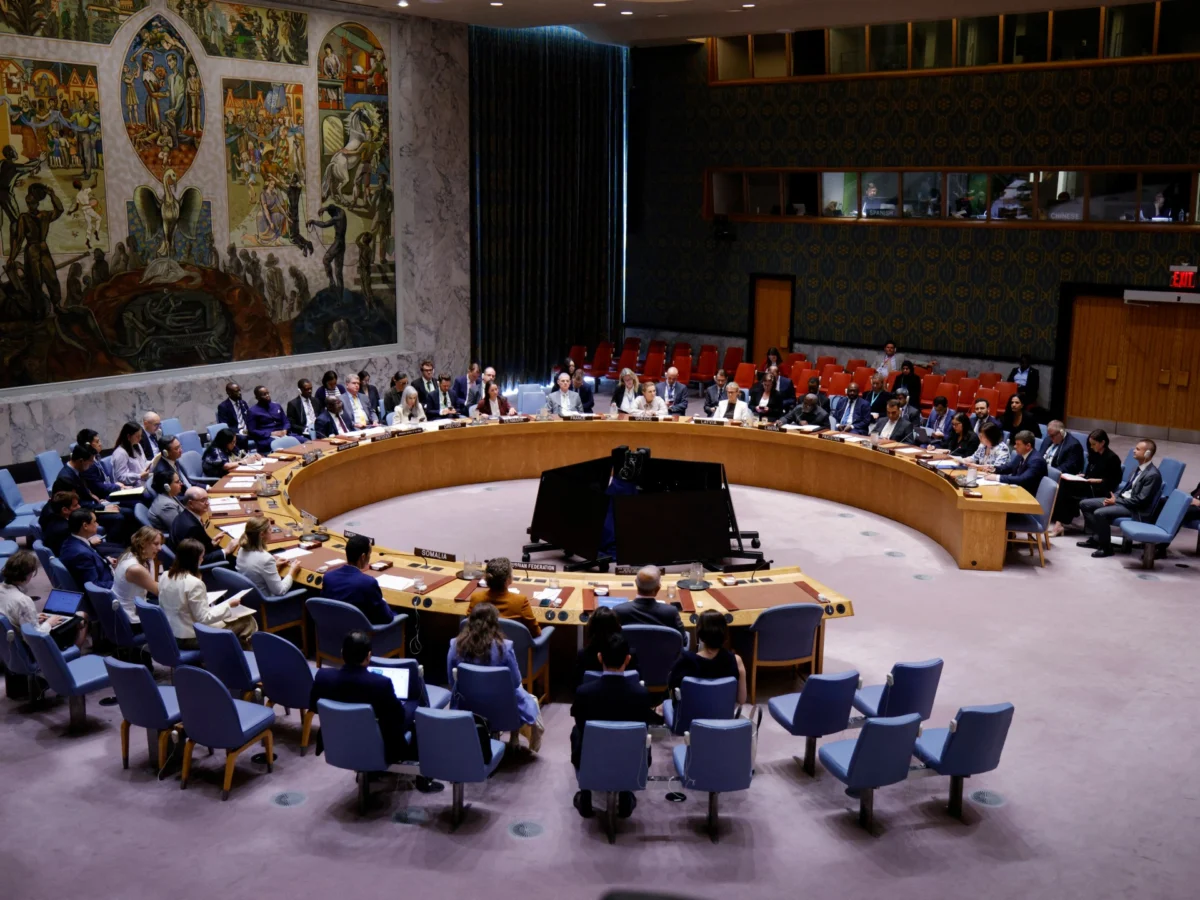
Russia and China vetoed a United Nations Security Council mandate to monitor Iran sanctions, terminating the body responsible for oversight. The move removes the council’s designated panel that tracked compliance with existing Iran sanctions, according to Al Jazeera. The action represents one of the most significant enforcement shifts in recent sanctions monitoring, as both countries opposed the renewal of the mandate, effectively closing the panel’s operations.
The Security Council’s sanctions-monitoring panel served as an independent investigative unit, gathering and presenting evidence on Iran sanctions compliance for member states. Its mandate required periodic renewal, and the Russian and Chinese vetoes prevented continuation, ending the watchdog’s formal role.
Key Facts
Russia and China vetoed a UN Security Council mandate to monitor Iran sanctions.
The veto ends the Security Council’s sanctions-monitoring panel on Iran.
The action removes the council’s independent investigative body on Iran sanctions.
Both countries opposed the renewal of the monitoring mandate.
The panel tracked compliance with existing Iran sanctions for member states.
What happens next for Iran sanctions enforcement?
With the monitoring panel dissolved, individual member states must now independently verify Iran sanctions compliance. The Security Council may revisit the matter if new evidence emerges, though no timeline for reconsideration is specified. Regional partners and external agencies could step in to fill monitoring gaps, but any replacement mechanism would require separate authorization. Diplomatic channels remain open, and future discussions may resume depending on shifting geopolitical conditions. Analysts note that the absence of centralized oversight complicates coordinated enforcement.
Who is affected by the panel’s termination?
Member states that previously relied on the panel’s intelligence now face increased responsibility for independent assessment. Companies and financial institutions engaged in international trade with Iran may encounter less standardized scrutiny. Human rights and advocacy organizations that cited panel findings lose a key source of verified data. Meanwhile, Iran’s position in multilateral negotiations could shift as monitoring mechanisms change. Regional actors in the Middle East may also adjust policies previously informed by panel reports. International bodies such as the IAEA are not directly impacted since their mandates differ from the council’s enforcement arm.
Why it matters
The termination of Iran sanctions monitoring alters the global enforcement landscape. Without a consolidated investigative body, oversight becomes fragmented across national authorities, reducing transparency and consistency. Companies and governments must now expend additional resources to verify compliance independently. Advocacy groups and researchers also face challenges replacing the panel’s documented evidence. This development signals growing friction among permanent Security Council members over enforcement priorities, which may influence future multilateral decisions on sanctions and diplomatic engagement.
What to watch
Future Security Council discussions on Iran policy may determine whether alternative monitoring mechanisms are proposed. The broader impact on international sanctions regimes could emerge if similar vetoes occur on other mandates.
What We Know — and What We Don’t
Verified by the source:
Russia and China cast vetoes at the UN Security Council.
The veto targeted a mandate to monitor Iran sanctions.
The action ended the Security Council’s Iran sanctions panel.
Still unconfirmed:
The specific vote count within the Security Council.
The timeline for any potential replacement mechanism.
Official statements from Russia or China explaining their positions.
Detailed reasons member states opposed the panel’s renewal.