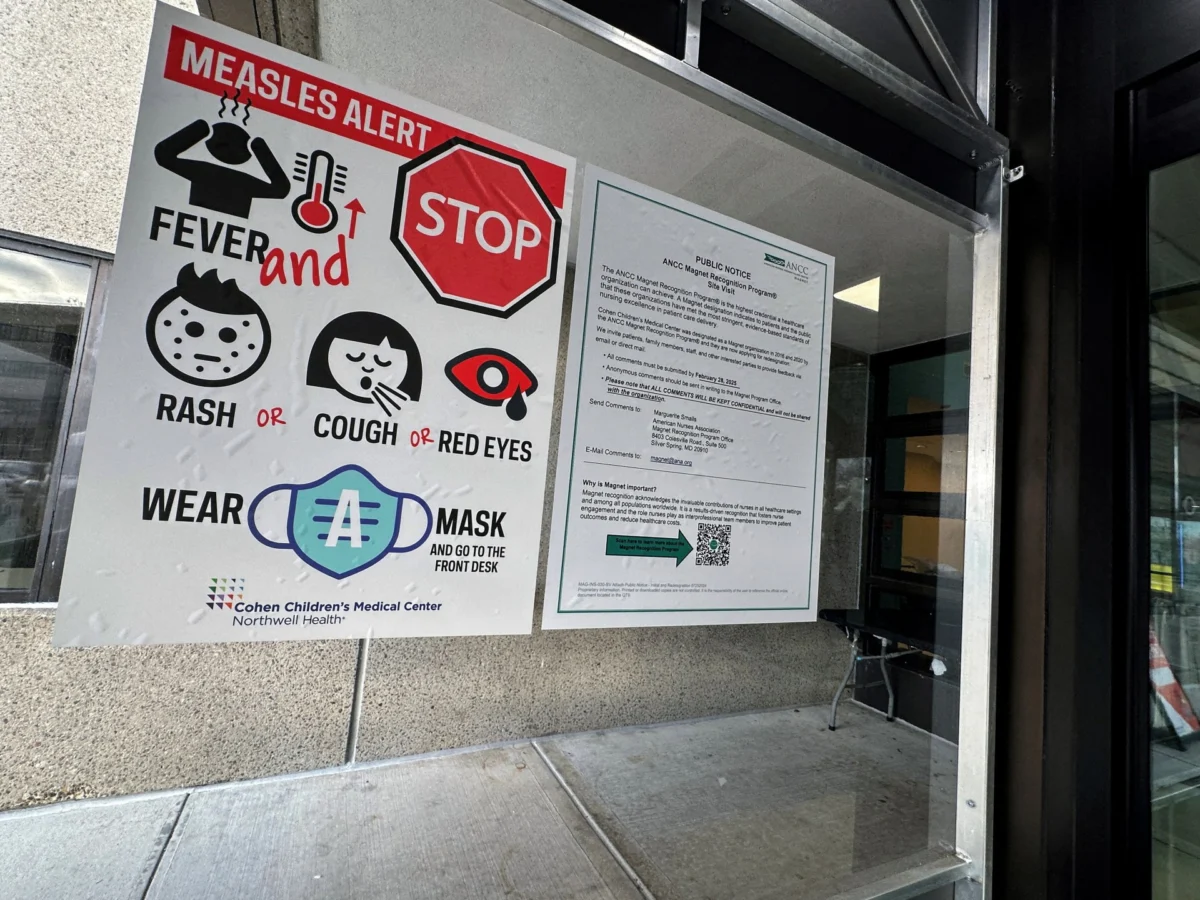
Pennsylvania has requested assistance from the CDC amid a disagreement over how four measles-related deaths should be classified, as health officials note that measles cases continue to spread within the state.
The dispute centers on whether the deaths meet the clinical and laboratory criteria required to be designated as confirmed measles cases, highlighting ongoing challenges in tracking and reporting the disease during an active outbreak.
KEY FACTS:
- Pennsylvania seeks CDC help amid measles outbreak.
- Four measles deaths are disputed in classification.
- CDC and state officials disagree on death categorization.
- Measles cases continue to spread in the state.
- Dispute concerns clinical and laboratory confirmation criteria.
Why This Dispute Matters Now
Accurate classification of measles deaths is critical for public health response, resource allocation, and determining containment strategies. When states and federal agencies disagree on whether fatalities qualify as confirmed measles cases, it can delay or complicate outbreak management efforts. The disagreement also raises questions about reporting standards and communication between local, state, and federal health authorities during infectious disease emergencies.
The ongoing spread of measles underscores the urgency of resolving administrative and definitional disagreements quickly. Each day of uncertainty may allow further transmission among unvaccinated populations, including vulnerable groups such as infants and immunocompromised individuals who cannot receive the vaccine. Resolving the classification issue could clarify whether additional public health interventions, such as mandatory vaccination orders or school closures, are warranted.
How Did This Dispute Arise?
Measles outbreaks typically require strict adherence to case definitions established by the CDC, which include both clinical symptoms and laboratory confirmation. When deaths occur during an outbreak, determining whether measles was the direct cause—or a contributing factor—requires detailed medical records and testing results. Pennsylvania’s request for CDC involvement suggests that state officials may lack sufficient data or laboratory support to independently resolve these classifications.
This kind of jurisdictional overlap reflects the decentralized nature of U.S. public health, where states retain primary authority over disease control but rely heavily on federal guidance and technical assistance. Historical precedents show that delays in aligning case classifications can slow emergency responses, particularly when misinformation or conflicting statements erode public trust in health recommendations.
What Happens Next For Measles Cases?
Resolution of the classification dispute will likely involve joint review teams from the CDC and Pennsylvania Department of Health, examining medical records and lab findings from each fatality. Depending on outcomes, officials may issue revised guidance on future measles-related deaths or update protocols for reporting causes during outbreaks. The decision could also influence funding eligibility for outbreak response measures, as federal support often hinges on standardized reporting criteria.
Continued spread of measles implies sustained community transmission, possibly linked to gaps in vaccination coverage. Public health experts generally emphasize that high vaccination rates interrupt transmission chains. Until classifications are resolved and containment steps are clear, communities may remain uncertain about exposure risks and preventive actions.
What We Know — and What We Don’t
Verified by the source:
- Pennsylvania has asked the CDC for assistance regarding measles death classifications.
- There is a difference of opinion between the CDC and state officials over how four deaths should be categorized.
- Measles cases are continuing to increase across Pennsylvania.
Still unconfirmed:
- The specific reason why the CDC and state officials disagree.
- Whether any of the four deaths involved unvaccinated individuals.
- Exact number of current measles cases in Pennsylvania.
- Timeline for when the classification dispute will be resolved.
- Causes or contributing factors behind the continued spread of measles.
Why It Matters
This disagreement affects how public health emergencies are managed nationally, especially when federal and state agencies must align definitions to allocate resources effectively. Clear classification helps ensure timely warnings reach communities and prevents confusion that could undermine vaccination campaigns.
What To Watch
Officials have not announced when the joint review will conclude, but updates are expected if new measles cases emerge or if federal guidance changes.