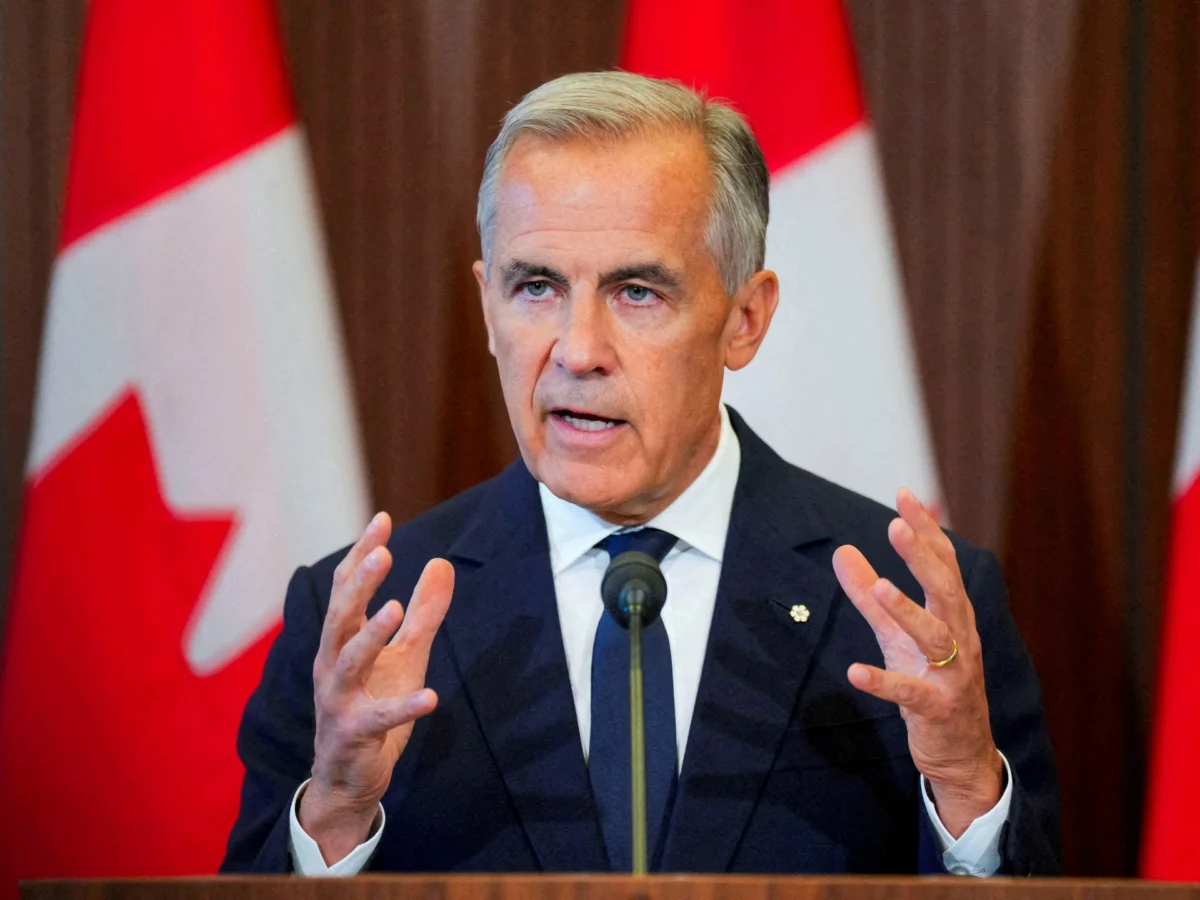
Canada’s prime minister has set out a plan for stronger economic ties with the European Union, reviving questions about whether ‘middle powers’ can unite to form a new economic alliance. The proposal underscores growing momentum among mid-sized nations to coordinate trade, investment, and diplomatic priorities outside traditional Western blocs. Whether this momentum translates into concrete negotiations remains to be seen, but the signal reflects broader uncertainty about existing multilateral frameworks.
Recent years have strained long-standing trade relationships and multilateral institutions, prompting smaller and mid-sized economies to reconsider how they secure market access and political influence. Canada’s outreach to the EU arrives alongside similar overtures from other middle powers, suggesting informal coordination around shared economic interests. These moves hint at a possible shift toward coalitions anchored on complementary economies rather than geographic proximity or security treaties.
Key Facts
- Canada’s prime minister outlined plans for stronger ties with the European Union.
- The initiative raises the question of whether middle powers can build a new economic alliance.
- Al Jazeera reported the remarks as part of ongoing global economic diplomacy.
Who is affected?
Trade-dependent economies without dominant global influence — Australia, South Korea, Brazil, and others identified as middle powers — could gain leverage through coordinated economic agreements. European partners, meanwhile, may view renewed outreach as a chance to deepen market access amid evolving geopolitical alignments. However, any shift in alliance structures would require alignment not only on economics but also on regulatory standards and diplomatic priorities.
Businesses in sectors such as technology, agriculture, and clean energy are likely watching closely, as expanded trade accords often reduce barriers and harmonize regulations. Consumers, too, may benefit from greater product variety and competitive pricing. Yet skepticism persists: past attempts at middle-power coordination have fizzled due to divergent national interests and limited institutional capacity.
What happens next?
The path forward depends largely on diplomatic responses from the European Union and other potential partners. Formal discussions would require unanimous or near-unanimous backing, both domestically and internationally — a process that historically takes years to mature. Observers will be looking for follow-up statements, preparatory working groups, and signs of concrete policy alignment.
For now, analysts say the prime minister’s remarks serve more as a strategic conversation-starter than a binding commitment. Still, framing the discussion around a new economic alliance signals intent to reframe partnerships beyond legacy structures. The coming months will test whether rhetoric can translate into actionable diplomacy.
What We Know — and What We Don’t
Verified by the source:
- Canada’s prime minister proposed stronger economic ties with the European Union.
- Al Jazeera covered the proposal as part of global trade diplomacy reporting.
Still unconfirmed:
- The specific mechanisms or timeline for forming a new economic alliance remain undefined.
- No official reaction from the European Union or other middle powers has been reported.
- Details about sectoral priorities or negotiating positions were not disclosed.
Why it matters
Shifts in alliance structures can reshape global trade flows, affecting everything from consumer prices to supply chain resilience. Should middle powers successfully coordinate around a shared economic agenda, it could offer a counterweight to bloc-based competition, opening new routes for investment and cooperation in an increasingly fragmented world.
What to watch
Future statements from EU officials and partner governments will indicate whether this proposal gains traction. Additional reporting from credible outlets may also clarify the scope and feasibility of a proposed economic alliance.