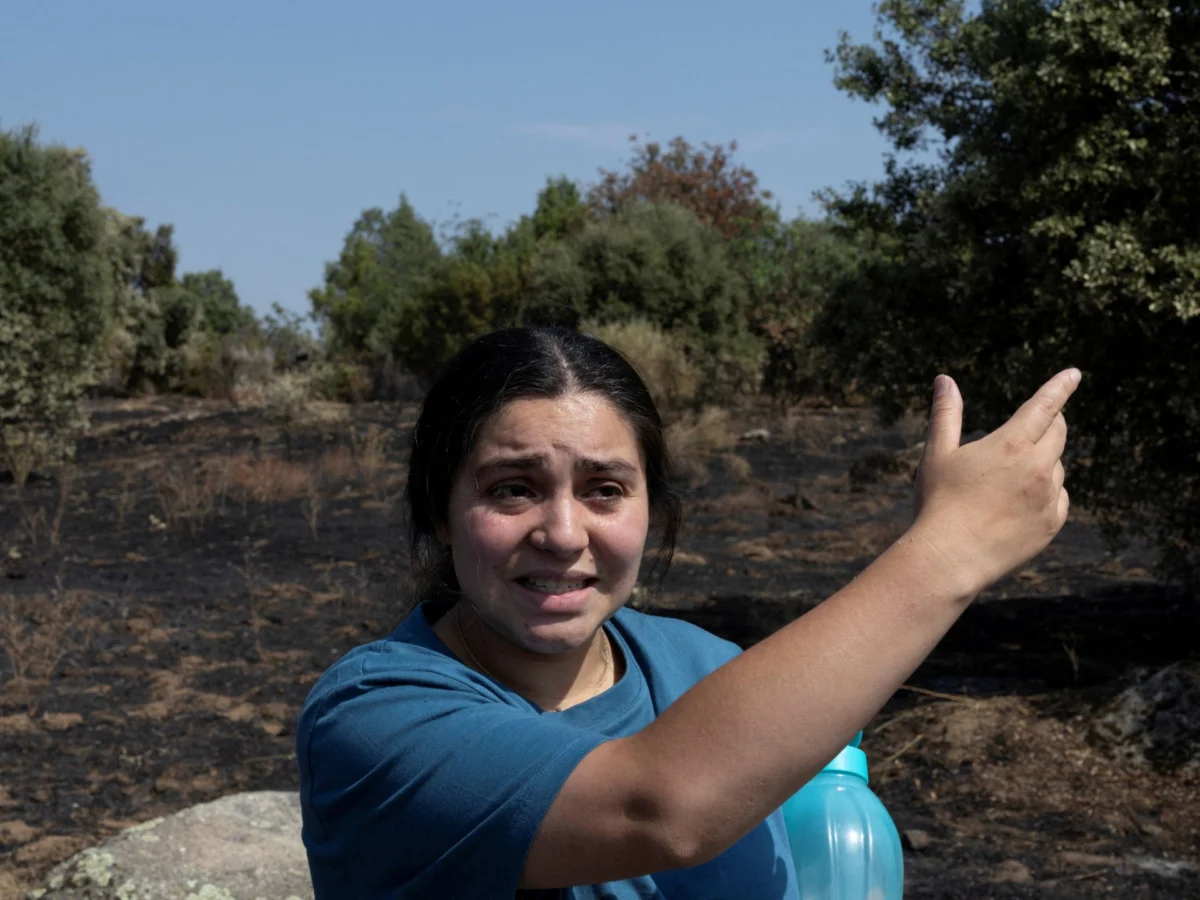
Europe’s summers are becoming increasingly dangerous due to rising temperatures and more frequent wildfires, driven by climate change. According to Al Jazeera, these extreme weather events are disrupting lives and economies across the continent.
The combination of prolonged heatwaves and severe droughts has created conditions ripe for wildfires, which are growing in intensity and frequency. This trend is expected to continue as global temperatures rise, posing long-term challenges for European communities and infrastructure.
KEY FACTS
- Climate change is making Europe’s summers hotter
- Heatwaves and wildfires are becoming more intense
- These events threaten lives and economies across the continent
- Droughts are worsening due to rising temperatures
How is Europe affected by these changes?
The increasing frequency of extreme heat events is putting pressure on health systems, particularly for vulnerable populations. Wildfires are destroying forests, homes, and businesses, while droughts are impacting agriculture and water supplies.
Economic losses from these events run into billions annually, with tourism, agriculture and insurance sectors particularly affected. The pattern aligns with scientific projections about climate change impacts on temperate regions.
What makes these events more dangerous now?
Climate scientists have warned that heatwaves are becoming both more frequent and more intense due to global warming. Wildfires that might have been containable in the past are now growing larger and more destructive due to drier conditions.
Urban areas face particular risks as concrete and asphalt amplify heat effects, creating dangerous conditions for residents without adequate cooling options. Nighttime temperatures are also rising, reducing natural relief from daytime heat.
WHAT WE KNOW — AND WHAT WE DON’T
Verified by the source:
- Europe’s summers are getting hotter due to climate change
- Heatwaves and wildfires are intensifying across the continent
- These events are threatening lives and economic stability
Still unconfirmed:
- Specific locations most affected by recent events
- Exact economic impact figures from this year’s events
- Long-term projections beyond general climate change trends
WHY IT MATTERS
These climate-driven changes represent a fundamental shift in Europe’s summer reality, with implications for public health, urban planning, and economic stability. Adaptation measures that might have sufficed in the past are proving inadequate against these growing threats.
WHAT TO WATCH
European governments and communities will need to develop more robust responses as these extreme weather events become more common. The effectiveness of current prevention and response strategies will be tested during future summer seasons.