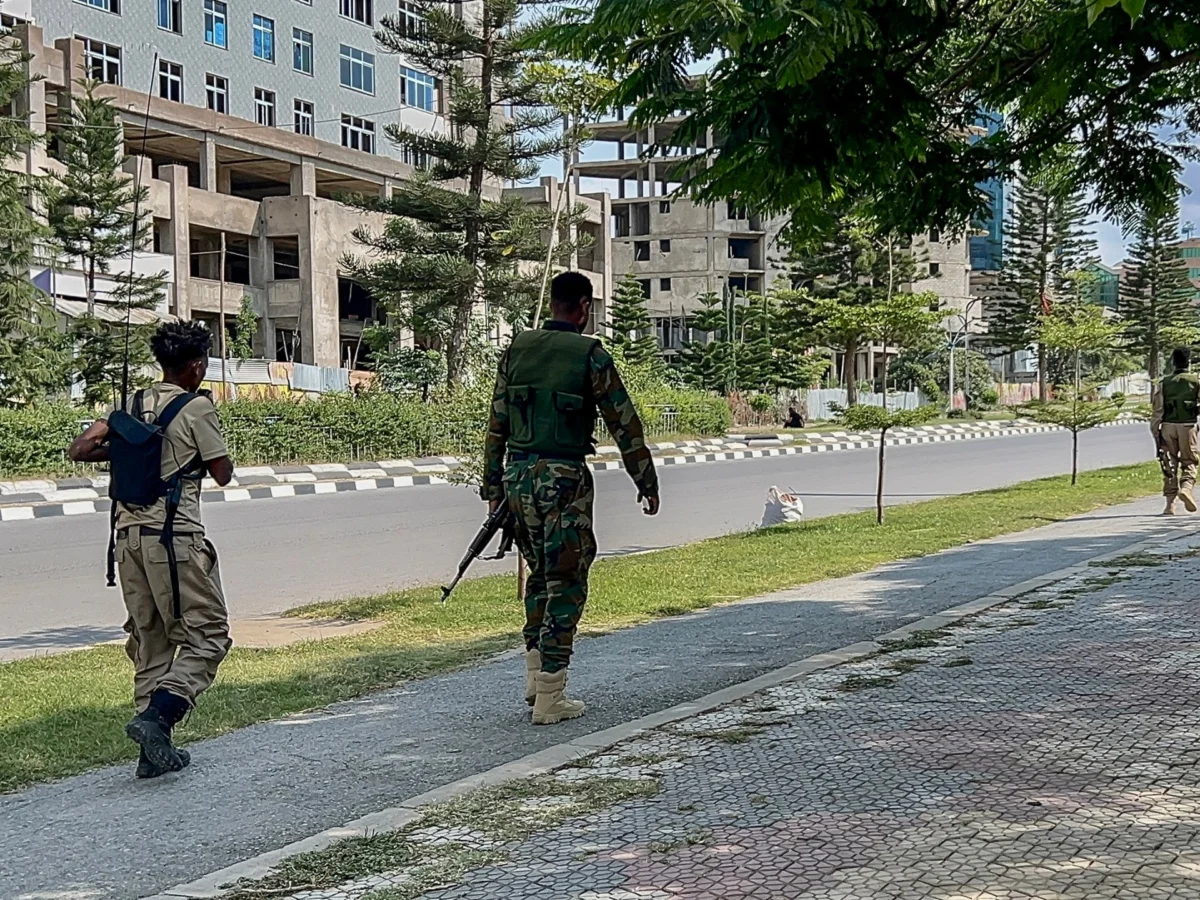
Ethiopia’s government forces have retaken the Mekelle airport from Tigray rebels, local sources report, marking a notable shift in control of the northern Tigray region’s capital. The rebels have been seen leaving the capital of the northern Tigray region, according to local sources cited by Al Jazeera.
This development reflects ongoing changes in the territorial control of a region that has endured months of intense fighting between Ethiopian federal forces and the Tigray People’s Liberation Front. Control of critical infrastructure such as airports often plays a decisive role in military and humanitarian access during active conflicts.
Key Facts
- Ethiopia government forces retook the Mekelle airport from Tigray rebels.
- Rebels were observed withdrawing from the capital of the northern Tigray region.
- The report cites local sources familiar with the situation in Mekelle.
- The development was reported by Al Jazeera Breaking News.
What Changed in the Fighting
The recapture of the Mekelle airport signals a tactical evolution in the conflict, which has largely centered on control of urban centers and key supply routes in northern Ethiopia. Airports serve both military logistics and civilian evacuation functions, and shifts in their control often indicate broader changes in momentum.
Local sources reported seeing rebel forces pulling back from positions in central Mekelle, though Al Jazeera did not specify the timing or exact routes of the withdrawal. The Ethiopian government has previously claimed advances against the Tigray People’s Liberation Front, while opposition sources have disputed such assertions.
The airport’s status remains sensitive given its strategic value. Reestablishing government control may affect humanitarian operations, as aid agencies rely on secure air corridors to deliver supplies to populations cut off by conflict.
Who Is Affected by These Moves
The people of northern Ethiopia, particularly residents of Mekelle, remain directly affected by changes in front lines and infrastructure control. Access to basic services, medical care, and humanitarian assistance depends heavily on which party holds key facilities like the airport.
Local reports suggest that the presence of heavy weapons and armed groups in urban areas has complicated daily life for civilians, including restrictions on movement and access to markets. These dynamics underscore how control of symbolic and functional sites such as the Mekelle airport influences conditions on the ground.
The withdrawal of rebel forces, as observed by local sources, may reduce immediate hostilities in parts of the city. However, the broader trajectory of the conflict remains uncertain, and residents continue to face disruptions regardless of which side controls specific locations.
What We Know — and What We Don’t
Verified by the source:
- Ethiopia government forces retook the Mekelle airport.
- Rebels were seen leaving the capital of northern Tigray.
- Local sources provided information to Al Jazeera.
- Al Jazeera reported the development in its breaking news coverage.
Still unconfirmed:
- Exact timing of the airport recapture.
- Number or identity of rebel units involved in the withdrawal.
- Current operational status of the Mekelle airport.
- Extent of damage to airport infrastructure.
Why It Matters
This shift in control could influence regional stability, humanitarian aid delivery, and diplomatic negotiations aimed at de-escalating the conflict. How infrastructure like the Mekelle airport functions affects both military strategy and civilian welfare in one of Africa’s most densely populated conflict zones.
International observers continue to monitor developments closely, as changes in territorial control often correlate with broader political and humanitarian outcomes. The situation also highlights the importance of verifying information from conflicted areas, where narratives can shift rapidly.
What to Watch
Further reporting from independent local journalists and humanitarian organizations will help clarify whether the withdrawal from Mekalle represents a sustained change in the battlefield dynamics. Additional statements from Ethiopian government officials or regional coordinators may also emerge in the coming days.
A confirmed reopening of the Mekelle airport for civilian or aid flights would likely indicate a stabilization of government control in the immediate area, while continued insecurity could delay any return to normality for residents.