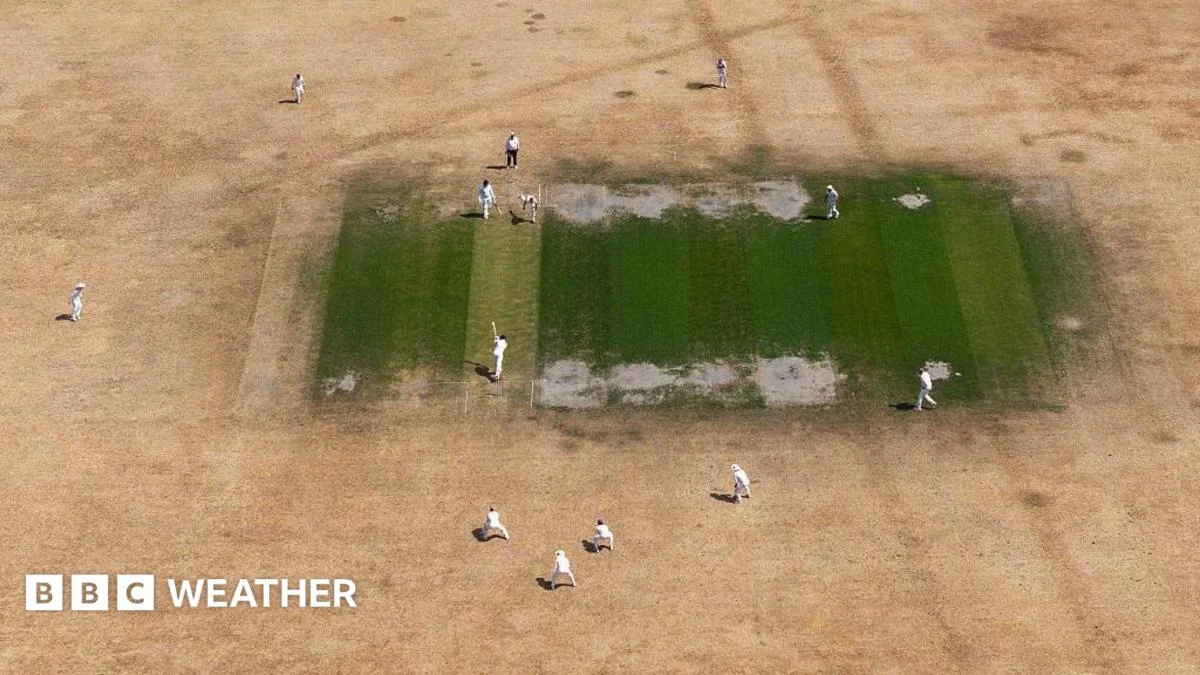
England and Wales are on course for their driest July since modern records began, according to the Met Office.
The weather service says the likelihood of a record‑dry July stems from long‑term rainfall data spanning roughly 190 years.
England and Wales may see their driest July in nearly two centuries, according to Met Office records.
Key Facts
- England and Wales are on course for the driest July on record.
- Met Office records indicate they are likely to have their driest July.
- This would be since records began approximately 190 years ago.
How the Met Office measures rainfall
The Met Office is the United Kingdom’s national weather authority, responsible for collecting and publishing observational data on temperature, precipitation and other climate variables. Its rainfall series for England and Wales dates back to the early 1830s, providing a consistent benchmark for comparing monthly totals. When forecasters speak of a “driest July on record,” they refer to the lowest average rainfall measured across the region for any July in that historical dataset. Such a benchmark helps scientists place short‑term weather extremes within longer‑term climate patterns.
Linking to broader climate context, the climate environment section often examines how shifting weather patterns affect water availability and ecosystems. While a single dry month does not define a trend, it can signal deviations from normal seasonal expectations that warrant closer monitoring.
What does a driest July mean for the region?
A notably dry July can influence several sectors that rely on regular rainfall. Agriculture may face stress on crops that require steady moisture during the growing season, potentially affecting yields. Water utilities might see reservoir levels drop sooner than usual, prompting early calls for conservation. Additionally, reduced humidity can elevate fire risk in rural and upland areas, prompting land‑management agencies to prepare preventive measures. The general public may notice changes in garden watering needs and local stream flows.
What We Know — and What We Don’t
Verified by the source:
- Met Office indicates likelihood of driest July for England and Wales.
- Rainfall records for the region extend back about 190 years.
- A new record would be the driest July since those records began.
Still unconfirmed:
- Exact rainfall total expected for July 2025.
- Whether the record will be definitively broken.
- Specific sectoral impacts such as on farming or water supplies.
- Long‑term climate trends contributing to the dry spell.
Why It Matters
A record‑dry July would highlight the variability of the UK’s weather and could affect water resources, agricultural output and fire safety planning. Communities that depend on steady summer rainfall may need to adapt usage habits, while policymakers might review drought‑response strategies. The situation also offers a reminder of how short‑term extremes fit into longer‑term climate observations tracked by institutions like the Met Office.
What To Watch
Future Met Office updates will confirm whether July’s rainfall falls below previous lows, and officials may issue water‑use advice if conditions persist. Should the driest July be confirmed, it would prompt reviews of water‑use guidance.