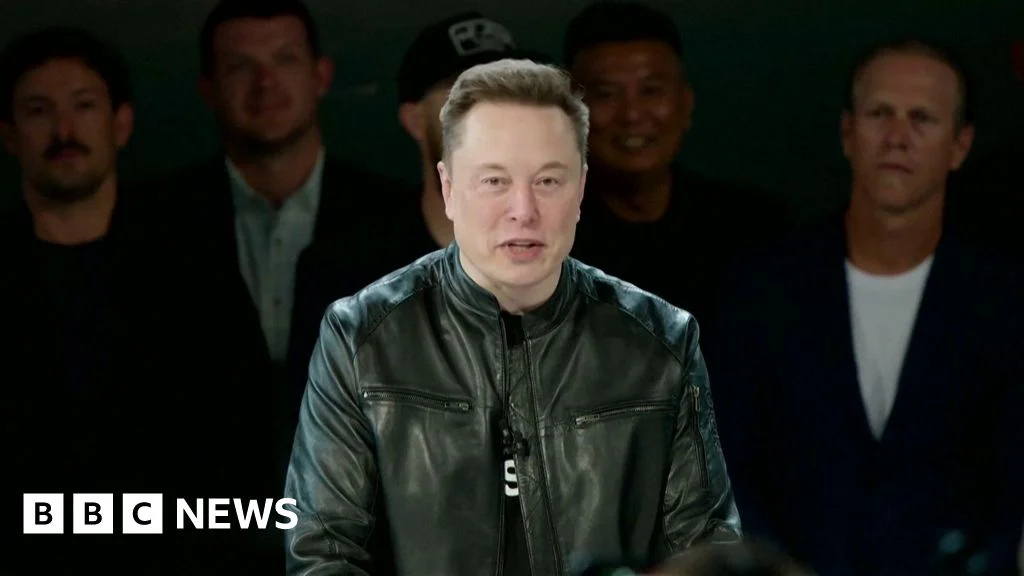
Elon Musk crossed the $1 trillion threshold on Tuesday, his wealth recorded at $1.11 trillion by Bloomberg’s rich list.
That same day SpaceX listed on Nasdaq with a market valuation of $2.2 trillion, making the private‑rocket firm the most valuable U.S. launch company in history.
The numbers read like a sci‑fi climax: a single individual now worth more than the combined GDP of the United Arab Emirates and Switzerland, and a space‑startup valued higher than the whole aerospace sector of the United States.
What the figures mean for investors
Investors poured $13.6 billion into SpaceX’s initial public offering, snapping the record for the largest U.S. IPO in a decade. Analysts at Bloomberg estimate the surge added roughly $108 billion to Musk’s personal holdings, pushing him past Jeff Bezos for the top spot.
For everyday traders, the debut signals a new era where high‑risk, high‑reward ventures once confined to venture capital are now open to the public. It also raises the bar for future tech IPOs, setting a valuation benchmark that could inflate expectations for companies like Rivian or Neuralink.
Why does this matter?
When a single entrepreneur reaches trillion‑dollar status, the ripple effects are felt beyond Wall Street. Policy makers may scrutinise the concentration of wealth and its influence on space regulation, satellite communications, and even climate‑impact strategies.
Consumers could see faster rollout of Starlink internet, more frequent launch windows for private missions, and a cascade of downstream jobs in manufacturing and software.
Moreover, the sheer scale of SpaceX’s market cap re‑writes the risk calculus for pension funds and sovereign wealth funds that traditionally avoided pure‑play space stocks.
What happens next for Musk and the market?
With the IPO settled, SpaceX will have to meet quarterly earnings expectations, a new pressure point for a company that has historically disclosed limited financial data.
Musk has hinted that proceeds will fund the first crewed Mars mission slated for the late 2030s, but he also faces a board of directors now answerable to public shareholders.
Watch for the upcoming earnings call in August – analysts will be keen to see if the lofty valuation translates into sustainable cash flow or remains a speculative bubble.
For a deeper dive into how this reshapes the economy and markets landscape, stay tuned to SourceRated.