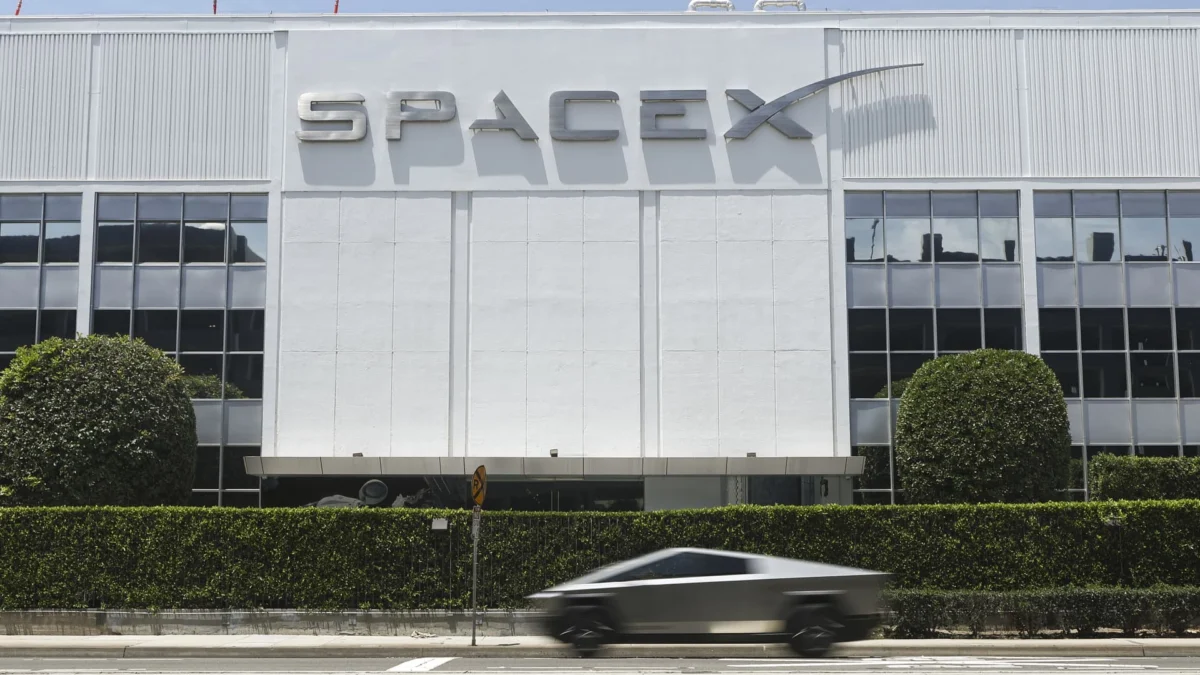
SpaceX will offer only about 22% of its shares to individual investors, down from earlier expectations of a near‑equal split.
The Elon Musk‑led launch giant told an insider that the retail allocation will sit “in the low 20% range,” a stark pivot from the roughly 45% retail share that market watchers had assumed when the company first hinted at going public.
That 22% figure translates to roughly 40 million shares out of the 180 million slated for the offering, according to the source familiar with the plan.
Why does this matter?
Retail investors—people saving for retirement, college funds, or simply hoping to own a piece of the space frontier—have been lining up for a chance to buy SpaceX stock at the ground‑floor price. Cutting their slice means fewer everyday Americans will benefit if the company’s valuation soars after the debut.
For wealth‑distribution analysts, the move signals a broader trend: high‑profile tech IPOs are increasingly skewed toward institutions that can absorb large blocks of risk, leaving the rest of the market on the sidelines.
What happens next?
The final prospectus, expected later this month, will lock in the exact percentage. Institutional demand is already being gauged by banks such as Goldman Sachs and Morgan Stanley, which are slated to underwrite the deal.
If institutions snap up the bulk of the offering, the share price could open higher, but the upside for small investors will be capped at a modest allocation.
Meanwhile, brokerage platforms are scrambling to update their order‑entry screens, and online forums are buzzing with speculation about whether a secondary market for small‑ticket investors will emerge.
For anyone who dreamed of adding a SpaceX share to a 401(k) or a college savings plan, the new allocation shrinks that possibility, but it also underscores the fierce competition for stakes in Musk’s empire.
Stay tuned as the filing hits the SEC and the first round of orders rolls in—will the low‑20% figure hold, or could it be nudged higher by regulatory pressure?
economy and markets coverage will follow the IPO’s pricing and its ripple effects across retail investing.