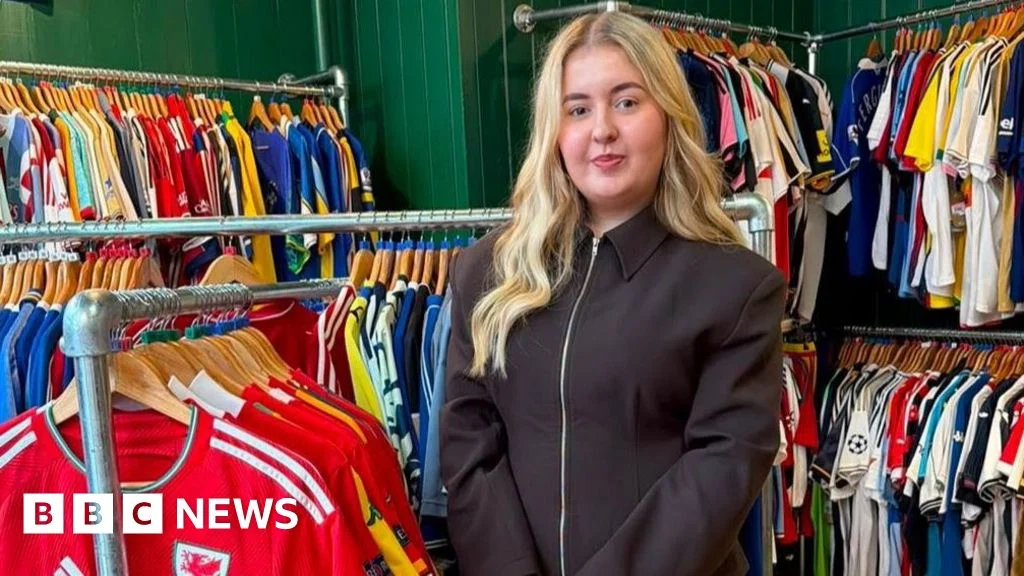
Eleri Williams counted out exactly £35,129 from the sales of vintage football shirts, a sum that will cover her first‑year tuition and leave her university life debt‑free.
The 19‑year‑old from Bridgend started by listing three faded Liverpool kits on eBay in March 2023. Within 18 months she sold 276 shirts, some fetching as much as £1,200 each.
From attic dust to a storefront
Williams’ father, a lifelong fan of the 1970s, kept a box of old jerseys in the garage. “I was cleaning out the loft and found a kit that still had the original tag,” she told the BBC. The simple discovery sparked a side‑hustle that grew faster than her university applications.
She set up an Instagram shop, “RetroKitCo”, and reinvested every profit into acquiring rarer items at auction houses and online forums. By July 2024 her inventory included a 1978 Argentina World Cup shirt, a Manchester United 1999 treble kit, and a limited‑edition Arsenal 2006 shirt signed by Thierry Henry.
Why does this matter?
Student debt is a national crisis; the average graduate leaves university with £27,000 in loans according to the latest economy and markets data. Williams proves a niche market can offset that burden, illustrating how millennials and Gen‑Z are turning hobbies into micro‑enterprises.
Her success also spotlights the growing appetite for authentic sports memorabilia, a sector that saw global sales rise 23 % last year, according to market analyst reports.
Williams plans to expand the brick‑and‑mortar shop on Cardiff’s St. Mary Street, hiring a part‑time assistant and launching a quarterly “match‑day” pop‑up.
What happens next for the teenage entrepreneur?
She aims to diversify, adding vintage cricket and rugby jerseys to attract a broader collector base. “The goal isn’t just profit,” she said, “it’s to prove that you can fund your education without borrowing a penny.”
Financial advisers note her model could inspire other students to monetize personal passions, potentially reshaping the student‑loan narrative.
Keep an eye on RetroKitCo as it opens its doors in September – the next chapter could redefine how young entrepreneurs think about debt, demand, and DIY retail.