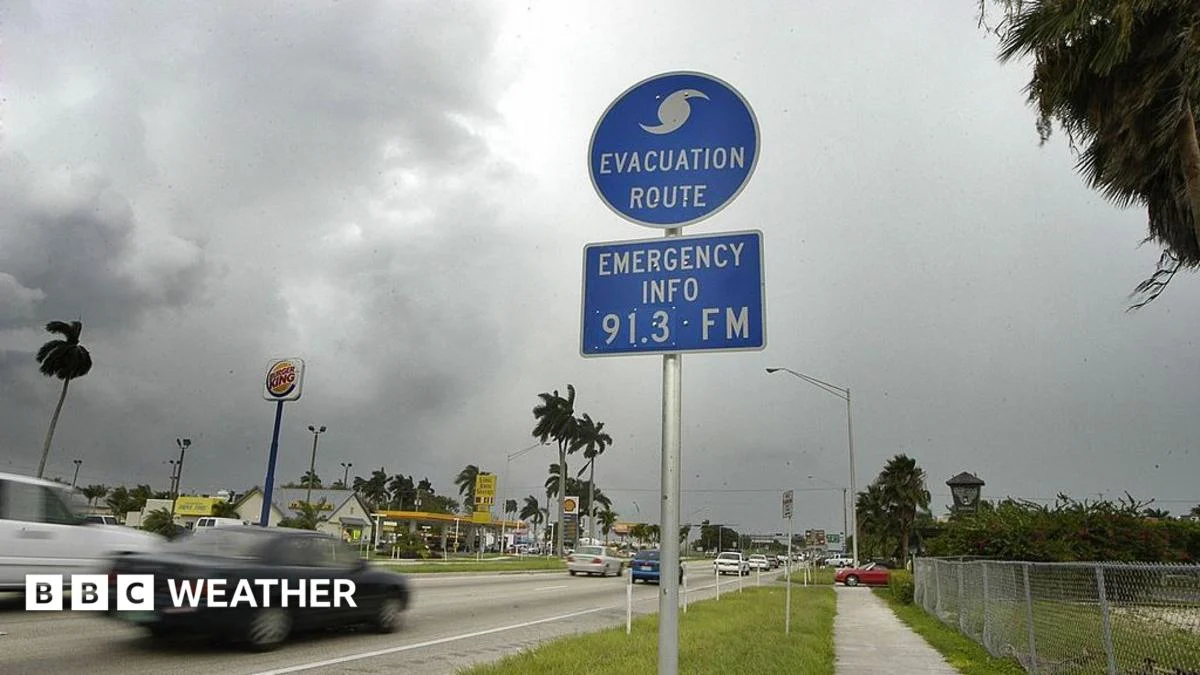
For the first time in three decades, no Atlantic hurricane has formed in September — typically the most active month for tropical storms. The BBC reports that this unusual calm coincides with El Niño, a weather pattern known to suppress hurricane formation, raising questions about whether the broader Atlantic hurricane season will be unusually quiet this year.
The absence of storms during September is remarkable given that the month usually accounts for a large share of annual hurricane activity. Climate scientists often point to El Niño as a factor that increases wind shear over the Atlantic, making it harder for hurricanes to organize and strengthen. While the full implications will not be clear until the end of the official hurricane season in November, this stretch of inactivity stands out even by historical standards.
Key Facts
- For the first time in three decades, no Atlantic hurricane formed in September.
- September is normally the most active month for Atlantic hurricanes.
- The slowdown is linked to El Niño, a climate pattern that suppresses hurricane formation.
- The last time no September hurricane occurred was over thirty years ago.
What Happens Next?
Meteorologists will continue monitoring atmospheric conditions through the rest of the 2024 Atlantic hurricane season, which officially ends on November 30. Additional storms could still develop if wind shear weakens or if ocean temperatures remain unusually warm in key regions. However, forecasters have already noted that El Niño’s influence is expected to persist into early next year, potentially delaying the return of more active storm patterns. The current stretch of calm highlights how sensitive hurricane activity can be to larger climate forces beyond seasonal outlooks.
The lack of storms so far has reduced immediate risks for coastal communities across the Caribbean and the southeastern United States, but officials still urge residents to remain prepared. Hurricanes can intensify quickly, and a single late-season storm can cause disproportionate impacts. Insurance and emergency management agencies typically track long-range forecasts closely, especially in years when early indicators suggest below-average activity. Still, historical records show that even quiet seasons occasionally produce unexpected powerful hurricanes.
How Did We Get Here?
El Niño develops when ocean surface temperatures in the central and eastern Pacific Ocean grow warmer than average, altering global weather patterns. These changes tend to strengthen upper-level winds over the Atlantic, creating conditions that disrupt the organization of tropical waves and depressions. Forecasters at the National Oceanic and Atmospheric Administration have incorporated El Niño’s ongoing presence into updated seasonal predictions, adjusting earlier expectations downward. The current situation aligns with historical trends where strong El Niño events correlate with reduced Atlantic hurricane activity.
Scientists emphasize that short-term gaps in storm formation do not necessarily reflect long-term climate change, though rising sea surface temperatures may influence future outbreaks. Researchers continue analyzing whether the current quiet period represents a temporary pause or part of a broader shift in storm behavior. Understanding these dynamics remains important for improving seasonal forecasts and helping policymakers plan accordingly.
What We Know — and What We Don’t
Verified by the source:
- No Atlantic hurricane formed in September for the first time in three decades.
- September is historically the most active month for Atlantic hurricanes.
- El Niño is cited as a contributing factor to suppressed storm development.
Still unconfirmed:
- Whether total hurricane numbers for 2024 will fall below average.
- Projected strength of El Niño through the remainder of the year.
- Exact timing of potential late-season storm formation.
Why It Matters
Atlantic hurricane seasons affect millions of people living along the Gulf and Eastern Seaboard coastlines, from Florida to Maine. Even if this year ends up quieter than average, past experience shows that residents should always stay alert. Emergency managers use seasonal forecasts to pre-position resources, and insurers rely on long-range outlooks when setting premiums. A clearer picture of future risk depends on continued scientific monitoring and public awareness.
What To Watch
Officials may release revised hurricane forecasts later in October, and coastal residents should follow local advisories throughout the season. Any new storm development would signal shifts in wind shear and ocean temperatures closely watched by forecasters.
Meta description: El Niño has caused the first September in three decades with no Atlantic hurricanes; scientists continue monitoring conditions through November.