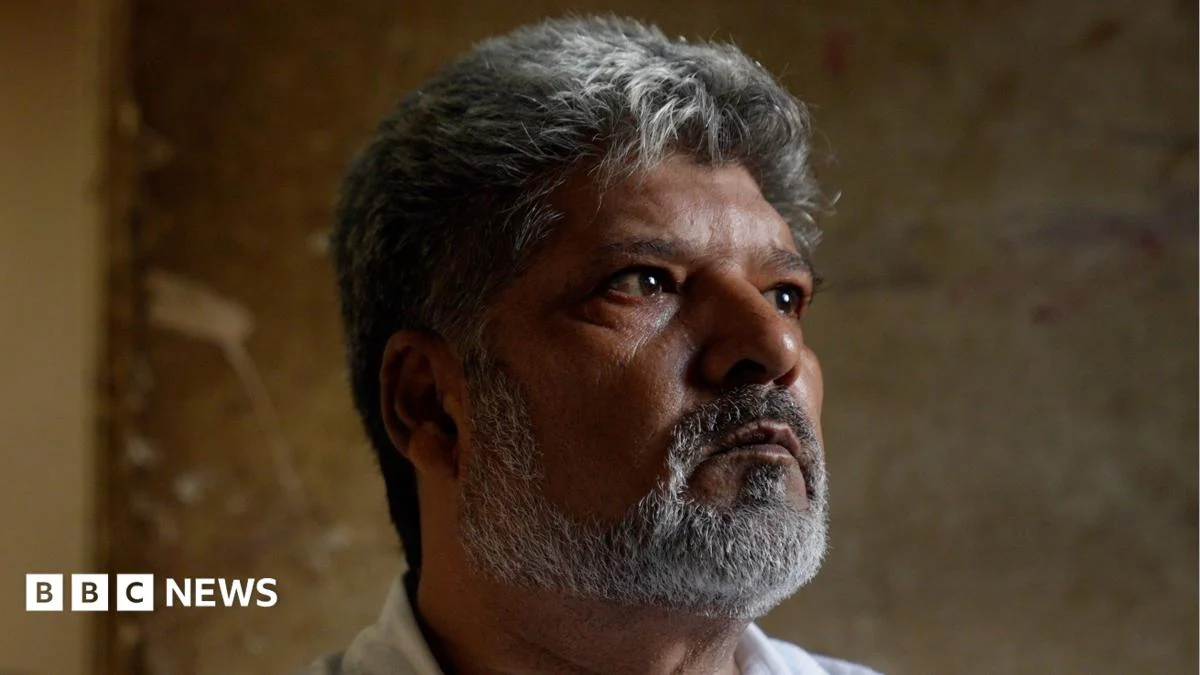
New Delhi — India’s street magicians are struggling to survive as audiences shrink and public spaces become harder to access, threatening a centuries-old tradition passed down through generations of performers.
The challenges facing these artists reflect broader pressures on informal entertainment sectors across India, where changing urban dynamics and shifting cultural priorities leave little room for spontaneous public artistry. Without dedicated spaces or growing audiences, many street magicians face an uncertain future for their craft.
KEY FACTS
- India’s street performers are struggling to survive.
- Audiences for street magic have shrunk significantly.
- Access to public spaces for performances has become more difficult.
- The tradition of street magic is at risk of disappearing.
What Happens Next?
As cities evolve and crowds disperse, public spaces once bustling with curious onlookers are becoming less welcoming to unplanned performances. Street magicians report needing permission for shows that used to be spontaneous gatherings. This shift suggests a structural decline rather than a temporary setback.
For many artists, earning even a small income now requires traveling far beyond familiar neighborhoods. Fewer people stop to watch, and those who do often move on quickly. These changing habits indicate that traditional methods of survival—like relying on daily foot traffic—are no longer reliable.
Some magicians are turning to digital platforms or private events, but not all have access to technology or networks that support this transition. The lack of institutional support leaves most performers dependent on chance encounters with willing listeners.
Who Is Affected?
Primarily, the affected group consists of traditional street magicians whose families have practiced magic for generations. These artists rely entirely on live interaction with casual audiences and possess skills shaped by years of apprenticeship under older masters.
Younger apprentices trained in similar ways also see fewer opportunities to learn and grow within this oral tradition. With declining interest among youth, knowledge transfer slows, raising concerns about long-term preservation of techniques unique to regional schools of Indian street magic.
Broader society loses an accessible form of storytelling rooted deeply in local folklore and humor. Losing these practitioners means losing a vibrant thread connecting present-day India with its rich theatrical past.
How Did We Get Here?
Urban development policies increasingly restrict informal activities in public areas, favoring planned events over organic cultural expressions. Authorities cite safety and congestion issues when limiting spontaneous gatherings where street performances naturally occur.
Rising competition from polished entertainment offerings—movies, streaming services, and commercial theaters—has changed how people spend leisure time. Audiences prefer structured experiences over unpredictable ones, leaving little demand for impromptu magical displays.
Additionally, younger generations raised amid rapid digitization show less interest in analog forms of amusement, preferring screen-based content over direct human engagement. Cultural tastes have shifted faster than adaptive strategies could evolve.
WHAT WE KNOW — AND WHAT WE DON’T
Verified by the source:
- Street magicians in India are experiencing reduced survival prospects.
- Audience sizes for street magic have decreased.
- Public spaces have become harder to access for performers.
Still unconfirmed:
- No specific numbers regarding performer population trends.
- No data available on geographic concentration of decline.
- Exact policy changes causing access restrictions remain unnamed.
Magic continues fading quietly from India’s bustling streets as modern life crowds out ancient arts.
WHY IT MATTERS
This trend represents part of a wider erosion of grassroots creativity in Indian cities. When informal art forms disappear, communities lose shared moments of wonder and connection fostered by spontaneous public expression. Protecting diverse cultural practices ensures richer social fabric for future generations.
WHAT TO WATCH
Watch whether local governments introduce measures supporting informal performers or if new digital tools help preserve fading traditions.