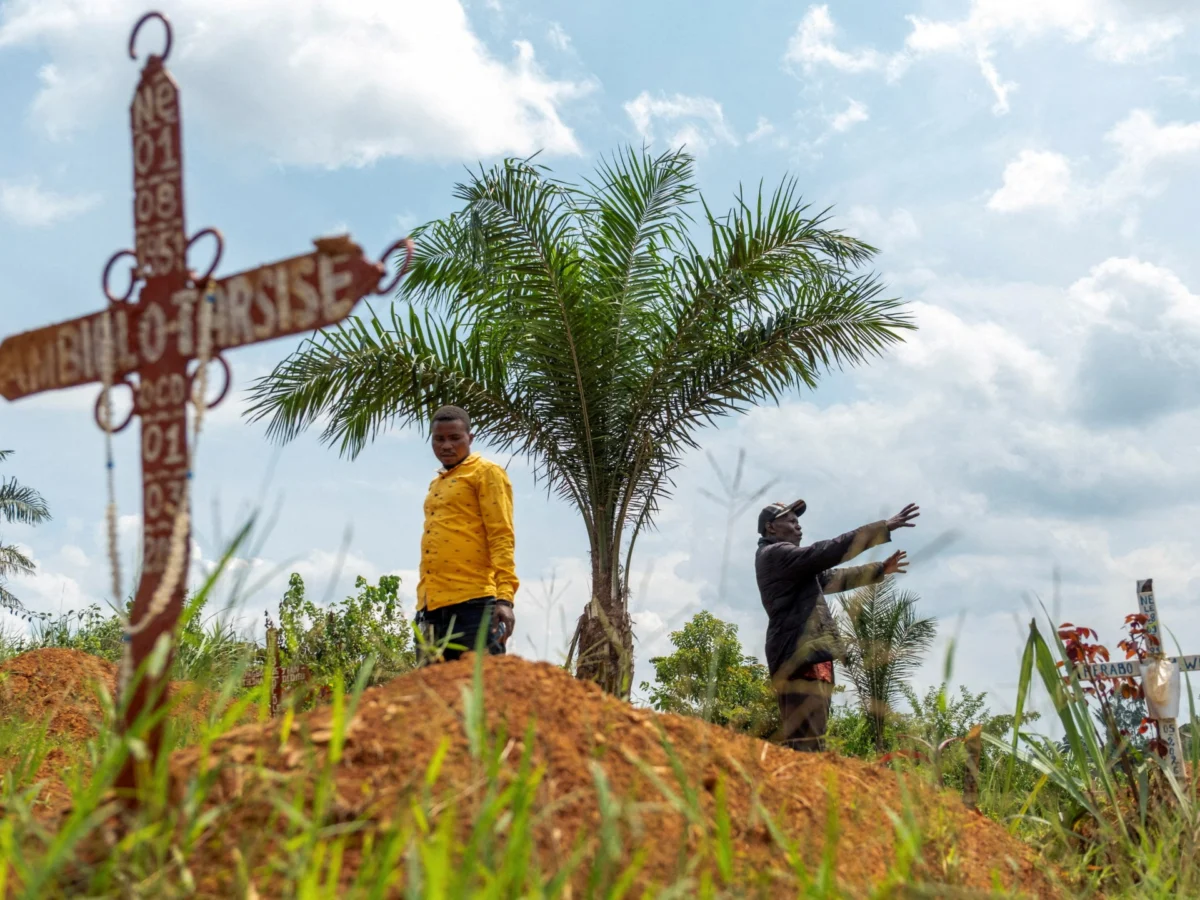
The Democratic Republic of Congo (DRC) is facing its worst Ebola outbreak in history, with over 6,000 confirmed cases and nearly 3,000 deaths, according to Al Jazeera. The outbreak is described as the fastest-spreading Ebola epidemic ever recorded, with health officials struggling to contain infections.
The DRC has faced multiple Ebola outbreaks in recent years, but the current epidemic has proven particularly difficult to control due to regional instability and limited healthcare infrastructure.
KEY FACTS
- Over 6,000 Ebola cases confirmed in the DRC
- Death toll nears 3,000 in the current outbreak
- Described as the fastest-spreading Ebola epidemic ever recorded
- Country continues to struggle with containment efforts
How bad is the current outbreak?
The ongoing Ebola outbreak in the DRC has surpassed previous epidemics in both scale and speed of transmission. While Ebola outbreaks are not uncommon in Central Africa, the current situation appears particularly severe, with healthcare systems reportedly overwhelmed by the number of cases. The outbreak’s rapid spread suggests challenges in implementing effective containment measures, though the source does not specify which regions are most affected.
What makes this outbreak different?
Unlike previous Ebola outbreaks that were largely confined to remote areas, this epidemic appears to be spreading more rapidly, though the source does not provide specific reasons for this acceleration. The description as the “fastest-spreading Ebola epidemic ever recorded” indicates a concerning trend in transmission rates. The DRC’s ongoing political instability and limited healthcare infrastructure in some regions may be contributing factors.
WHAT WE KNOW — AND WHAT WE DON’T
Verified by the source:
- Over 6,000 confirmed Ebola cases in DRC
- Nearly 3,000 deaths reported
- Outbreak described as fastest-spreading Ebola epidemic on record
- DRC struggles with containment efforts
Still unconfirmed:
- Specific regions most affected by outbreak
- Latest transmission rate data
- Number of healthcare workers infected
- International response efforts beyond containment
- Vaccination campaign effectiveness
WHY IT MATTERS
The DRC Ebola outbreak represents a significant public health emergency that could have regional implications if not properly contained. Large-scale epidemics in areas with limited healthcare infrastructure pose serious risks to local populations and may require international cooperation to prevent further spread.
WHAT TO WATCH
Monitoring the DRC’s ability to contain new infections will be critical in coming weeks, along with any updates on case counts or international response efforts.