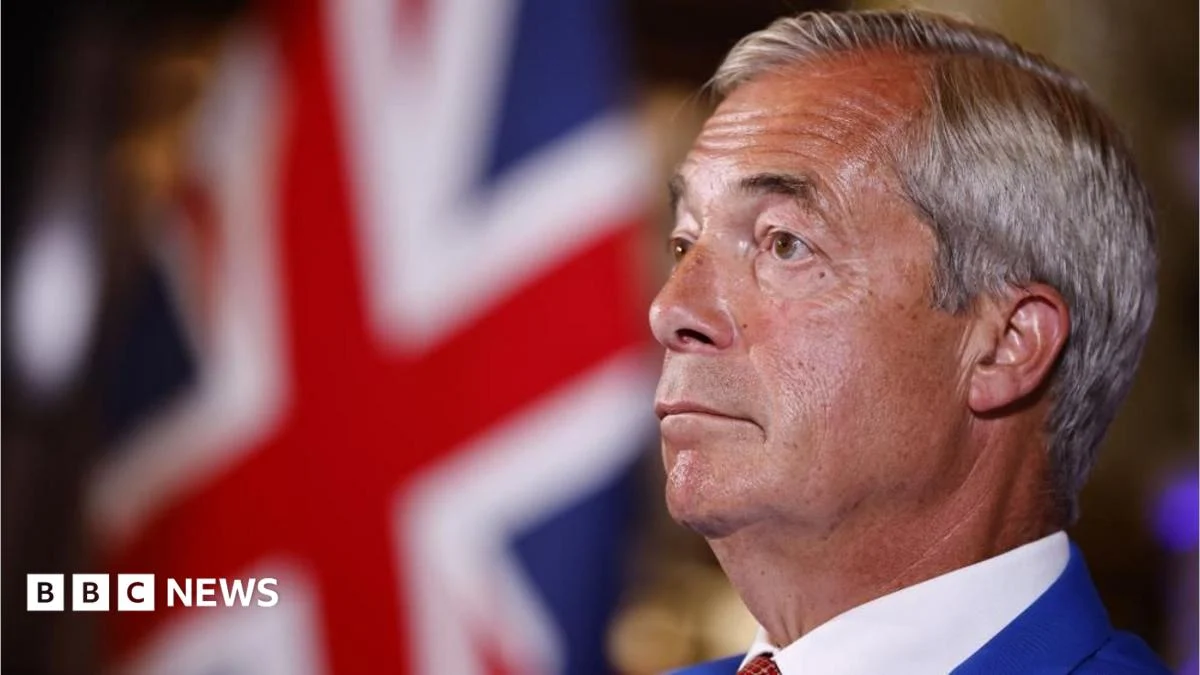
Proposed residency rules for political donors could be tightened after two British crypto-billionaires who recently lived abroad made donations totalling £72 million to a political party, according to reporting by BBC News. The donations have prompted renewed attention over how residency status affects eligibility to contribute to political campaigns in the UK. Under current electoral law, only individuals registered to vote — which generally requires British residency — may donate to parties, though enforcement has faced ongoing scrutiny, particularly in cases involving high-value contributions.
KEY FACTS
- Political donors could face tougher residency rules under proposed changes following recent donations.
- Donations worth £72 million were made by two British crypto-billionaires who have both recently lived abroad.
- Source: BBC News reported on the potential policy shift after the £72 million in donations.
- The donors in question are described as British but have recently resided outside the UK.
Who Is Affected by the Proposed Changes?
Individuals seeking to make political donations in the UK may be required to meet stricter residency criteria if new rules are introduced. This impacts anyone with ties to multiple countries, especially those working in global industries like cryptocurrency, where physical presence and tax residence can vary widely.
Currently, only British citizens or residents registered to vote are permitted to donate to political parties. These proposed residency rules aim to close gaps in the system, especially around donors who may no longer qualify due to extended time spent overseas.
Electoral watchdogs have previously flagged concerns that wealthy individuals with offshore connections could exploit ambiguities in existing laws, prompting calls for clarity and reform from both sides of the political divide.
How Did We Get Here?
The case stems from recent donations amounting to £72 million given to Reform UK by two British crypto-billionaires. Both donors have recently lived abroad, sparking debate over whether they remain eligible under existing electoral frameworks.
BBC News reporting highlighted the scale of the donations and questioned how they align with current residency rules. Since electoral law requires donors to be registered voters — typically tied to residency status — the situation raised broader issues about oversight in political financing.
This is not the first time large donations have led to reform discussions. Past controversies involving foreign-linked donors helped shape earlier revisions to donation laws, setting precedent for today’s conversation around modernizing access and accountability in political funding.
What We Know — and What We Don’t
Verified by the source:
- Two British crypto-billionaires donated £72 million to Reform UK.
- Both donors have recently lived abroad.
- Tougher residency rules for donors are being considered.
- Only those registered to vote can legally donate to UK political parties.
- The donations were covered by BBC News.
Still unconfirmed:
- No official statement from the individuals involved.
- Specific details of the proposed legislative changes have not been released.
- No timeline given for when reforms might take effect.
- Whether other political parties received similar donations remains unclear.
Why It Matters
This story matters because it touches on core democratic principles: fairness, transparency, and integrity in political funding. As wealth becomes increasingly mobile across borders, ensuring that only eligible residents fund elections protects the voice of ordinary voters from undue influence by foreign or transient actors.
Explore more politics stories or dive deeper into financial regulation within our economy and markets section.
What To Watch
Mirrors past debates around political donations and regulatory enforcement. Future updates depend on whether officials propose formal legislation or issue guidance reinforcing existing residency rules.