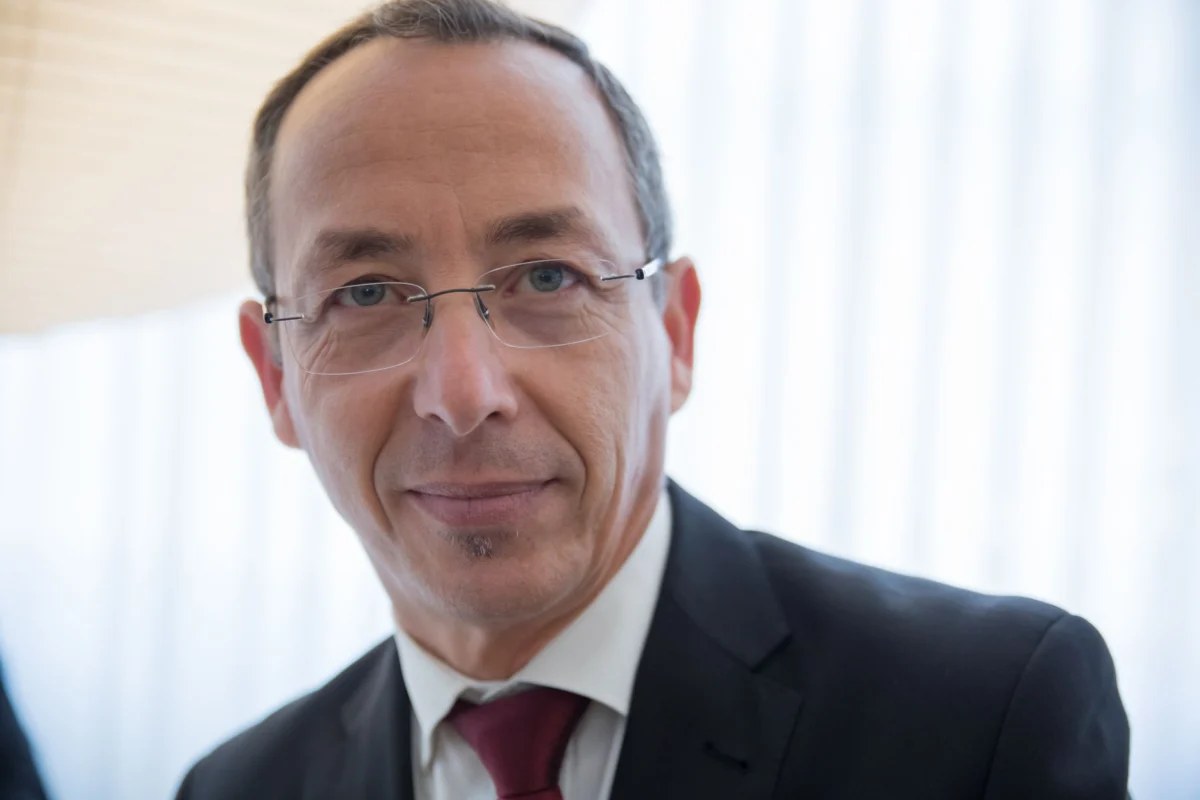
Chevron’s CEO Mike Wirth told investors this week that a “new risk premium” has evaporated, making Middle East investments more attractive than any other region.
At a briefing in Houston, Wirth highlighted that the company can now secure contracts in Saudi Arabia and the United Arab Emirates at a 15% lower discount than in 2022, thanks to easing geopolitical tension and an influx of capital into the region.
He cited a $12 billion upstream expansion plan that could double Chevron’s output from its Gulf of Mexico assets by 2029, provided the Middle East pipeline projects move forward.
Why does this matter?
U.S. gasoline prices have hovered around $3.70 per gallon for the past six months, partly because refiners hedge against Middle East volatility. If Chevron can lock in cheaper feedstock, downstream costs could ripple down to the pump, easing household budgets.
For investors, the shift signals a reallocation of capital from North‑American shale to Gulf projects. The S&P 500 Energy index has outperformed the broader market by 3.2% this quarter, and analysts expect that trend to accelerate if Chevron leads the way.
What does Wirth actually mean by “more attractive”?
Wirth’s remarks stem from three concrete developments:
- Sanctions on Iran have been partially lifted, allowing limited pours of crude through the Strait of Hormuz.
- UAE and Saudi ministries announced joint financing of a $4 billion petro‑chemical hub, reducing financing costs for foreign partners.
- U.S. Treasury reports a 22% rise in private‑equity funds earmarked for Gulf upstream projects since January.
These factors trim the risk premium that traditionally kept Western firms cautious about large Gulf deals.
Who is affected?
Energy traders, downstream refiners, and everyday commuters all stand to feel the impact. A cheaper supply chain could shave 5–7 cents off a gallon of gasoline, according to a Bloomberg analysis (see economy and markets).
Meanwhile, rival majors such as ExxonMobil and BP have already signed memoranda of understanding with Saudi Aramco, suggesting a broader industry pivot.
What happens next?
Chevron plans to file three new development proposals with Saudi Arabia’s Ministry of Energy by the end of Q4 2026. If approved, the projects could add 1.1 million barrels per day of capacity by 2032.
Analysts will watch the upcoming OPEC+ meeting for any policy shifts that could further lower the risk premium. Until then, Wirth’s optimism remains a barometer for where capital will flow.
In a market where oil price volatility feels permanent, Chevron’s newfound confidence could rewrite the playbook for global energy investment.