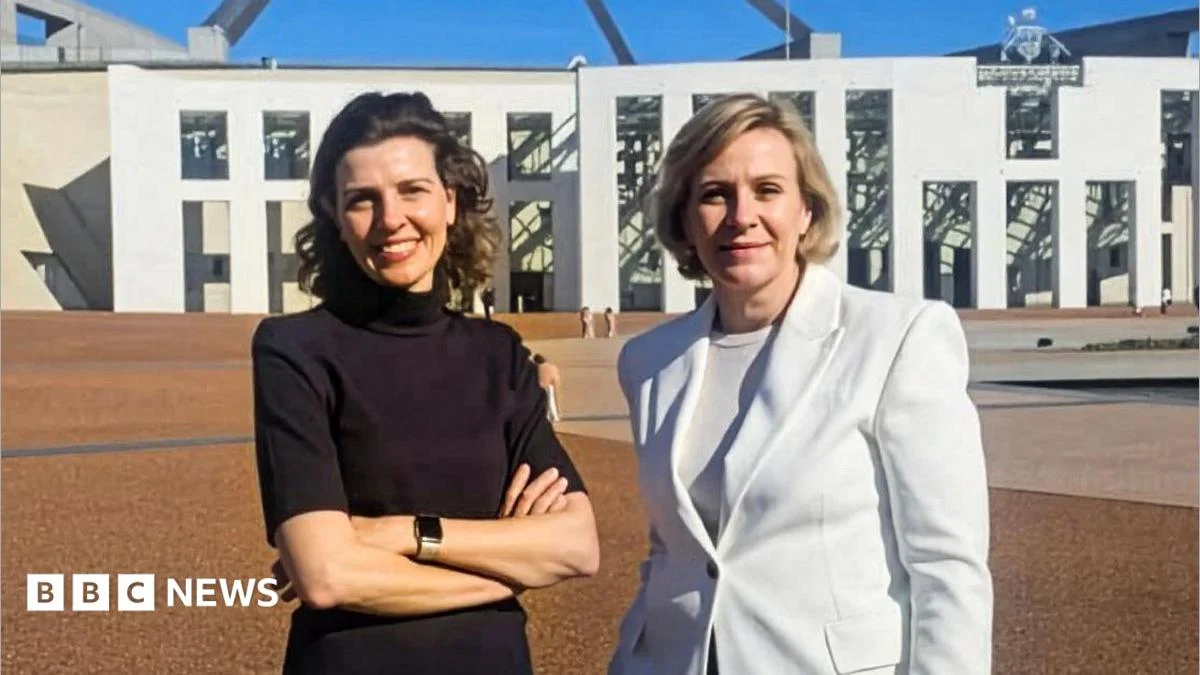
At 9 a.m. on a rain‑slick Melbourne street, two women stepped onto a modest stage, their microphones crackling as they announced the birth of a new political force: Community Strong Australia.
Independent MPs Zali Steggall and Allegra Spender said the party will champion a centrist platform built on “reason over rage” – a direct challenge to the fury that has come to dominate Australian elections.
Why does this matter?
Australia’s last three federal elections have all been decided by margins under 2 percent in key seats, and both Steggall and Spender have previously won those razor‑thin contests as independents. Their new venture could pull the pendulum back toward the middle, reshaping coalition‑government calculations and giving voters a credible alternative to the traditional Labor‑Liberal dichotomy.
Community Strong Australia will field candidates in at least 15 electorates for the 2028 federal election, according to the launch brief. The party’s policy sheet lists four pillars: transparent climate action, affordable housing, regional infrastructure, and a parliamentary code of conduct that bans hate‑speech.
What happens next?
The party’s registration with the Australian Electoral Commission is slated for early July. If approved, it will need to raise A$5 million to meet the spending thresholds for a national campaign.
Both founders have already tapped their existing supporter bases – Steggall’s 2022 campaign raised roughly A$1.2 million, while Spender’s 2022 effort collected about A$800,000. Together, they aim to double those figures within the next twelve months.
Political analysts note that a centrist third party could force the major parties to moderate their platforms, especially on climate and housing, where public opinion has shifted dramatically in the past five years.
For ordinary Australians, the emergence of Community Strong Australia offers a tangible option for voters who feel alienated by partisan bickering but still want decisive action on pressing issues.
Politics and economy and markets will feel the ripple effects as the party seeks to sway swing seats that determine the balance of power.
Who is affected?
Voters in the marginal electorates of Warringah, Kooyong, and Goldstein – areas where both Steggall and Spender previously secured victories – stand to see new ballot options. Small‑business owners, renters, and regional communities cited in the party’s manifesto may also benefit from a policy focus that eschews ideological extremes.
The launch has already sparked debate on social media, with some commentators hailing it as a “breath of fresh air” and others dismissing it as “political vanity”.
As the registration deadline approaches, the question isn’t only whether Community Strong Australia will secure a place on the ballot, but how quickly it can convert its “reason over rage” slogan into concrete legislative influence.
Stay tuned as the party rolls out its first slate of candidates and begins the fundraising sprint that will determine whether it remains a footnote or becomes a major player in Australia’s next election cycle.