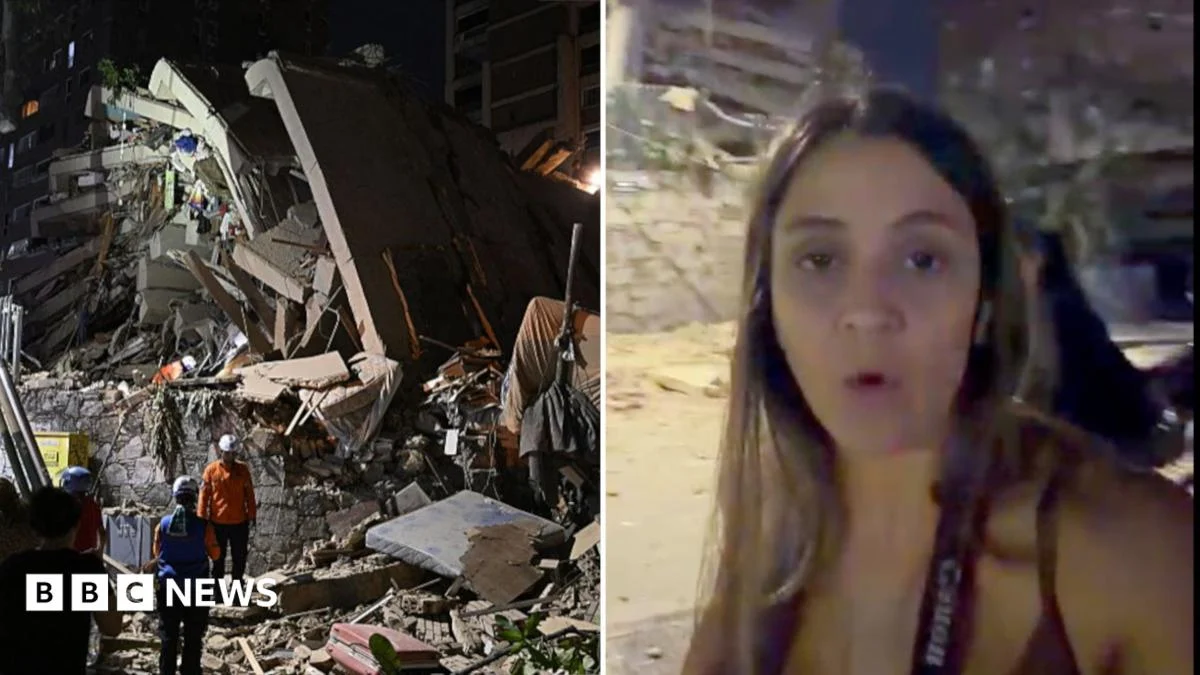
At 2:17 a.m. on March 23, the glass panes of a three‑storey apartment in Caracas vibrated like drumheads, prompting one resident to whisper, “I saw the windows moving.”
That vivid shock marked the onset of a series of tremors that locals now dub the strongest quake they’ve ever felt. The Colombian‑border city of San Cristóbal reported a magnitude‑5.4 jolt, while the National Seismological University logged over 30 aftershocks within two hours.
What happened on the ground?
Between 2:15 a.m. and 2:45 a.m., more than 12 million Venezuelans felt the earth shake, according to the university’s preliminary bulletin. In Caracas, streetlights flickered, shop windows shattered, and plaster cracked from ceiling to floor.
María Gómez, a 42‑year‑old nurse living in the Valle Cerro district, described the quake as “the strongest quake I’ve ever felt.” She recalled the sudden, bone‑jarring jolt that sent a coffee mug spiralling across the kitchen counter. “It felt like the whole building was a giant piano, and the keys were being struck all at once,” she said.
Why does this matter?
Venezuela’s ageing infrastructure—already strained by years of economic crisis and power outages—faces a new test. Buildings constructed before modern seismic codes jeopardise thousands of families if aftershocks continue. The tremors also expose a critical gap in emergency response; the national civil defence agency, despite issuing alerts, struggled to coordinate rescue teams amid disrupted communications.
For expats and investors watching the country’s volatile climate, the event underscores a hidden risk factor. Damage to oil‑refining facilities—though unreported so far—could ripple through global markets, especially given Venezuela’s position as a major OPEC producer.
Economists warn that even minor disruptions to oil output can trigger price spikes on economy and markets platforms, affecting fuel prices worldwide.
How authorities are responding
The Ministry of Interior released a brief statement confirming that emergency crews are assessing structural damage in the capital and the western states of Zulia and Barinas. No fatalities have been confirmed, but hospitals report a surge of patients with minor injuries—cuts, bruises, and a few broken limbs.
Local NGOs have begun distributing sandbags and temporary shelters to residents whose homes are deemed unsafe. Community groups are using social media to map safe zones, a grassroots effort that compensates for the slow official response.
What happens next?
Seismologists expect the aftershock sequence to persist for days, possibly weeks. Residents are advised to keep emergency kits ready, avoid basements during tremors, and follow updates from the national seismological service.
For now, Venezuelans stare at cracked windows, listening for the next tremor, while the world watches how a nation already on edge handles another natural shock.
Stay tuned as we track the evolving impact on infrastructure, health services, and the broader regional economy.