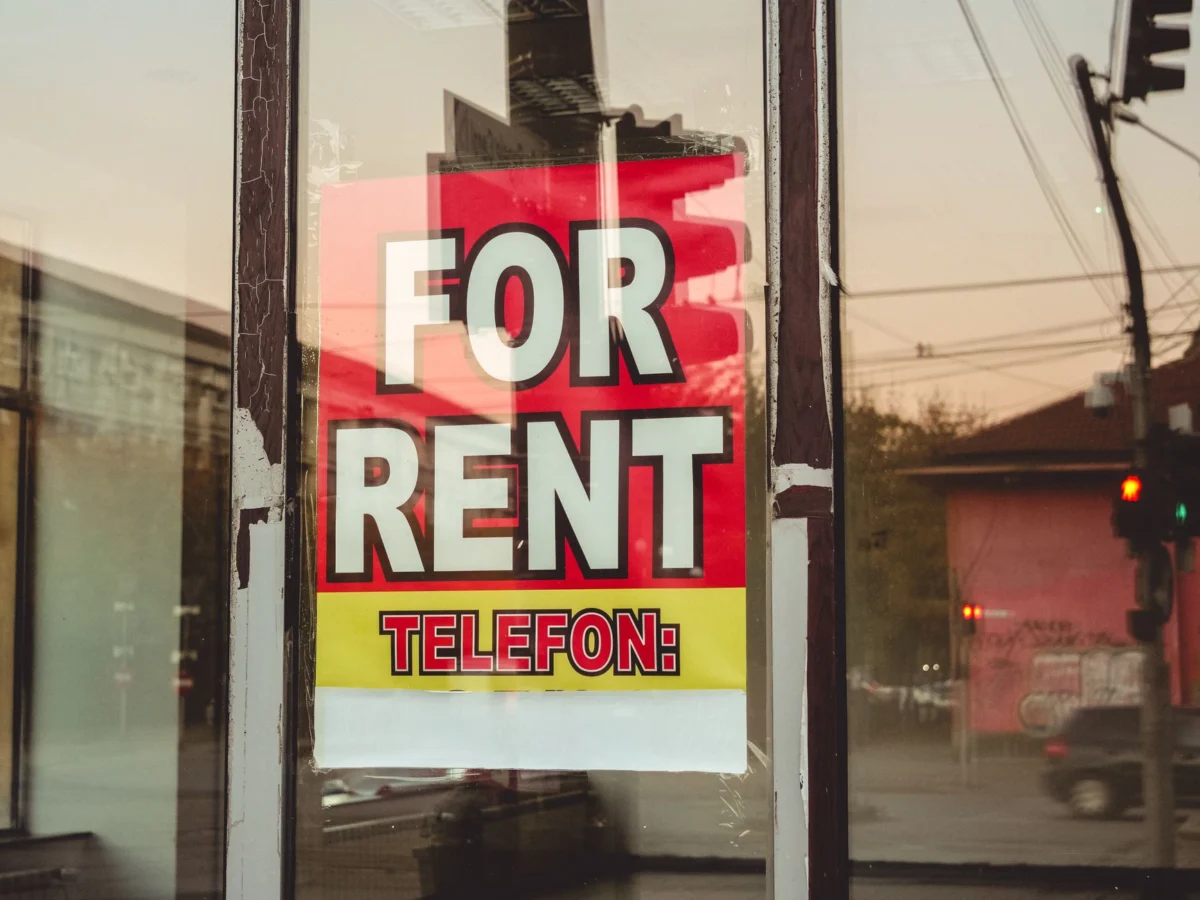
New York City’s Rent Guidelines Board voted 7‑2 Thursday to freeze rents for two years, locking in the current rent ceiling for roughly 1 million apartments. The decision fulfills Mayor Eric Mamdani’s campaign pledge and marks the most sweeping rent control measure since the 1990s.
Tenants in apartments covered by the rent‑stabilization program will see their monthly charges stay exactly where they are today, while landlords lose the ability to raise rents beyond the limited annual adjustments permitted for new leases.
The board’s vote came after a marathon hearing that featured more than 150 testimonies from tenant advocates, housing economists, and property owners. The final tally—seven in favor, two opposed—mirrored the political split on the issue.
Why does this matter?
Rising rent has been the top concern for New Yorkers for three consecutive years, according to a recent economy and markets poll. Freezing rents removes a major source of cost‑of‑living pressure for low‑ and middle‑income households, potentially preventing a wave of evictions and stabilizing neighborhoods that have seen rapid turnover.
Landlords, however, warn that the freeze could reduce cash flow needed for building maintenance and new construction, threatening the long‑term supply of affordable units.
Who is affected?
The rent freeze covers all rent‑stabilized units—about 1 million apartments across the five boroughs. Roughly 45 % of renters in Manhattan, Brooklyn, and the Bronx live under these rules. For an estimated 650,000 households, the freeze means no rent increase through June 2028.
Owners of market‑rate apartments are not subject to the freeze, and they may still raise rents on new leases at market levels.
What happens next?
With the board’s approval, the freeze becomes law on July 1. The Department of Housing Preservation and Development will issue detailed guidelines on compliance, enforcement, and how landlords can apply for exemptions.
Critics expect lawsuits from real‑estate groups alleging constitutional violations and interference with property rights. Those cases could reach the state Supreme Court within months.
For renters, the immediate impact is clear: no surprise rent hikes for the next two years. For the city’s housing market, the ripple effects will unfold over the coming election cycle as policymakers grapple with balancing tenant relief and housing supply.
Stay tuned as the rent freeze shapes New York’s affordability battle and influences rent‑control debates nationwide.