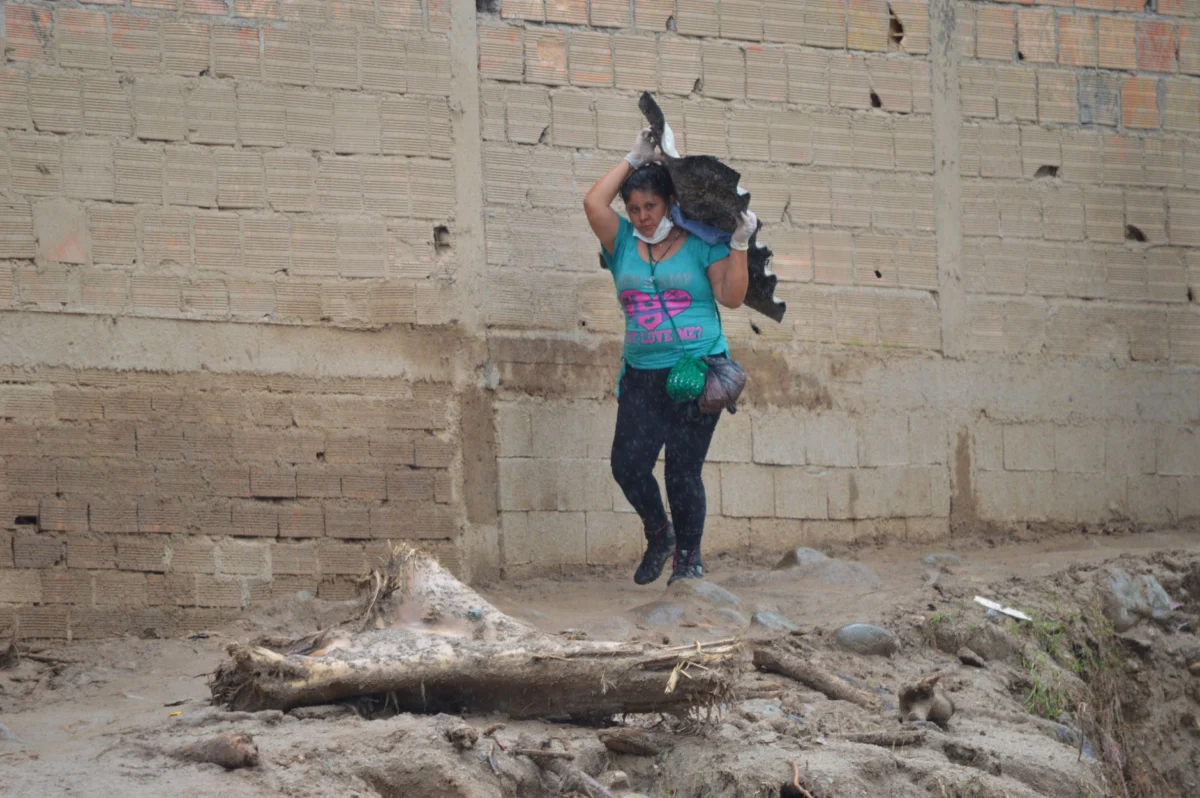
At 09:12 a.m. local time, a 6.2‑magnitude shock rattled Caracas, sending plaster and concrete raining down on Avenida Urdaneta.
Just 27 minutes later, a second tremor, measured at 5.9, struck the same district, toppling a historic apartment block and trapping dozens.
Emergency services reported at least 12 buildings reduced to rubble and more than 30 injuries within the first hour.
What happened on the ground?
Witnesses described walls cracking like dry twigs. “I was inside a café when the floor lifted, then everything fell,” said María García, a local shop owner. The Venezuelan Institute of Seismology confirmed two independent quakes, both originating beneath the northern Andes.
Police chief Luis Pérez announced a citywide curfew until further notice, citing unsafe structures and the risk of aftershocks.
Why does this matter?
The twin events expose chronic infrastructure weakness in a country already strained by hyperinflation and power outages. When homes collapse, families lose shelter, and businesses stall, the economic ripple can reach the economy and markets across Latin America.
Health officials warned that debris‑filled streets could ignite a secondary crisis of disease, especially in densely populated barrios where sanitation is already fragile.
Who is affected?
More than 200,000 residents live within a five‑kilometre radius of the epicenter. Schools were closed, public transport halted, and hospitals activated emergency protocols.
President Nicolás Rodríguez declared a state of emergency, ordering the military to assist rescue crews and to secure damaged zones.
What happens next?
International aid groups are mobilising, but sanctions complicate the flow of equipment. The United Nations’ regional office pledged to send assessment teams within 48 hours.
Analysts predict aftershocks could continue for days, keeping rescue operations on high alert.
Stay tuned as the situation evolves; the next report could determine whether Caracas will rebuild or plunge deeper into crisis.