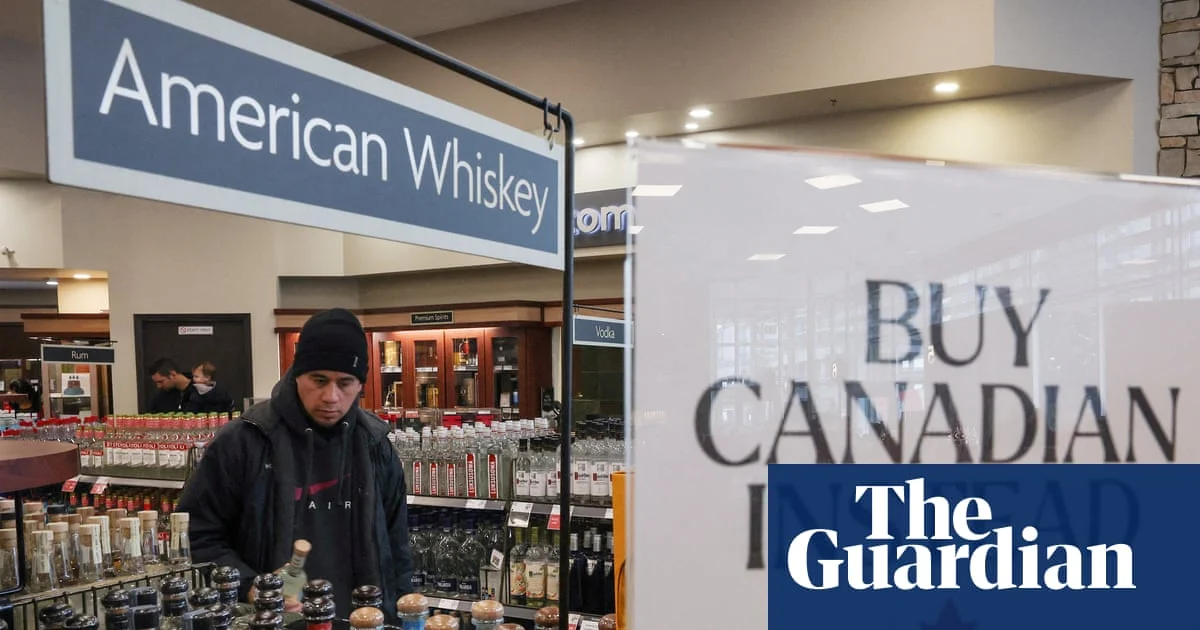
Some Canadians are actively avoiding US-made goods and services in response to tariffs imposed by former President Donald Trump, according to a report by Business | The Guardian. The boycott has led to increased living costs for those participating, but many remain committed to prioritizing Canadian products.
William McDonald, a 38-year-old diesel mechanic from Thunder Bay, Ontario, stated that he began boycotting US goods after Trump introduced tariffs in February of last year. Despite the financial impact, McDonald emphasized that Canadian products remain his first choice.
Key Facts
- Some Canadians are boycotting US goods in response to tariffs imposed during Trump’s presidency.
- William McDonald, a diesel mechanic from Thunder Bay, Ontario, avoids American products despite higher costs.
- The boycott includes goods and services ranging from technology to whisky and air travel.
- McDonald began his boycott in February last year when Trump introduced tariffs.
Why are Canadians boycotting US goods?
The boycott appears to be a direct response to tariffs imposed by the Trump administration, which many Canadians view as economically punitive. McDonald’s case highlights how some individuals are willing to absorb higher costs to avoid supporting US businesses while Trump’s policies remain in effect. The movement reflects broader tensions in US-Canada trade relations.
How has the boycott affected daily life?
Avoiding American products has forced participants to adjust their spending habits significantly. The report notes that even routine purchases, such as technology and alcohol, require careful consideration to ensure they are not of US origin. For McDonald, this shift has meant paying more for Canadian alternatives, but he remains committed to the cause.
What We Know — and What We Don’t
Verified by the source:
- Some Canadians are boycotting US-made goods due to tariffs imposed under Trump.
- The boycott includes various sectors, from tech to whisky.
- Participants report higher costs but remain committed to avoiding US products.
Still unconfirmed:
- The exact number of Canadians participating in the boycott.
- Whether the movement has had a measurable economic impact on US businesses.
- If the boycott will continue under the current US administration.
Why It Matters
This boycott reflects ongoing economic tensions between the US and Canada, particularly regarding trade policies. While the immediate financial impact on US businesses may be limited, the sentiment behind the movement could influence future trade negotiations and consumer behavior.
What To Watch
Whether the boycott persists under the Biden administration and if it gains enough traction to affect trade relations between the two countries.