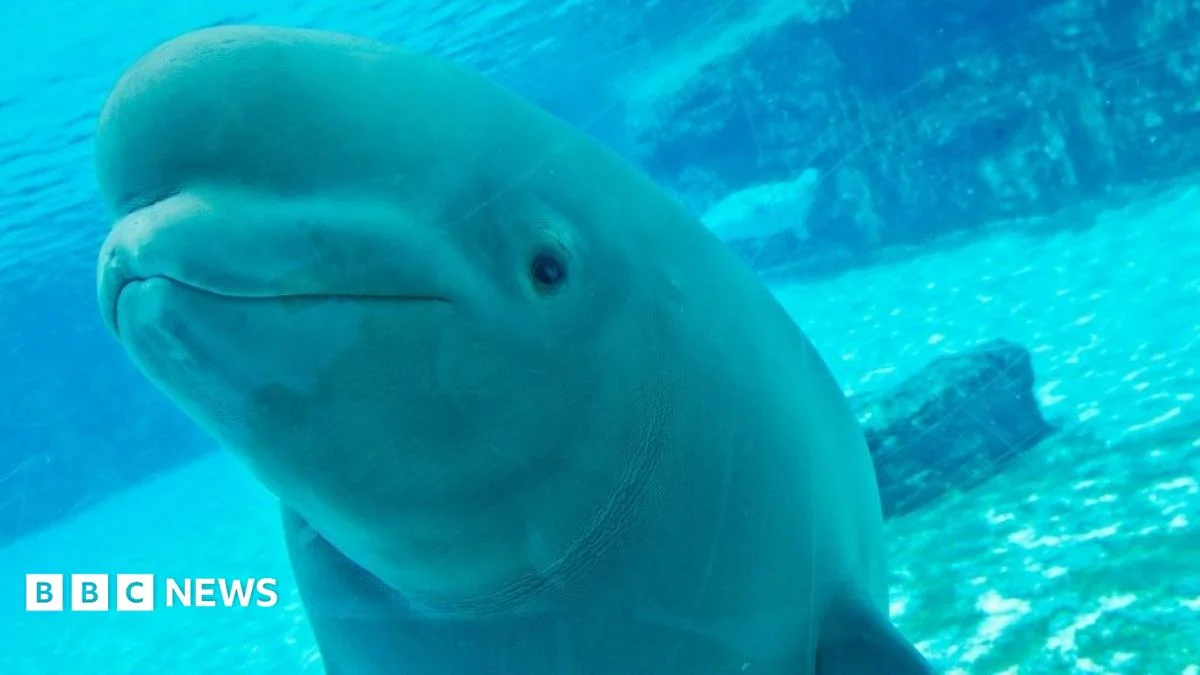
Canada’s beluga rescue effort saved the last captive whales in the country, but the future of the 30 rescued belugas remains uncertain after five of them died. The international operation drew widespread attention, yet the survivors’ long-term prospects are still being evaluated. The situation highlights the challenges of rescuing and rehabilitating marine mammals under human care.
Conservation groups and marine experts are watching closely as officials weigh options for the remaining whales, whose fate has not yet been publicly detailed. The deaths have added urgency to discussions about suitable habitats and care standards for rescued belugas.
KEY FACTS
- 30 captive belugas were rescued in a Canada-wide international operation.
- 5 of the 30 rescued belugas died following the rescue.
- The rescue targeted the last captive whales in Canada.
- The effort was described as an international operation.
- The future of the 30 rescued belugas remains uncertain.
What Happens Next for the Survivors?
The core concern now is determining whether the 25 surviving belugas can be successfully rehabilitated and, if so, where they might ultimately live. The deaths of five individuals have likely complicated planning, since each loss may affect group dynamics and care protocols for marine mammals already under significant stress. Officials have not publicly specified relocation sites or timelines, leaving conservationists to monitor conditions daily. What the source confirms is that decisions about habitat, care, and possible sanctuary placement remain unresolved, keeping the Canada beluga rescue in flux. Until more concrete steps are announced, the outlook for the belugas will stay uncertain.
How Did We Get Here?
The Canada beluga rescue began as an effort to remove the last captive whales from private facilities, aligning with shifting public attitudes toward marine mammal captivity. Activist campaigns and policy reviews contributed to the push for release or rehoming, making this operation symbolic beyond its practical outcomes. The arrival of international partners also signals how cross-border cooperation is increasingly expected in wildlife cases involving marine mammals. However, the transition from captivity to open or semi-natural settings poses technical challenges that the rescued belugas did not escape. Thus, even a successful rescue leaves open the question of whether captivity’s end can truly be achieved.
Who Is Affected?
The immediate impact falls on the 30 rescued belugas and the organizations responsible for their care, with the five deaths marking a somber milestone in the rehabilitation process. Conservation groups are also affected, as their advocacy for the Canada beluga rescue now faces the challenge of translating public attention into effective long-term support. Veterinarians and marine biologists continue monitoring the survivors’ health closely, though resources for such specialized care remain limited. The broader public, too, plays a role, since ongoing interest may influence whether funding and policy follow through. Ultimately, the outcome hinges on balancing animal welfare with the practical constraints of housing marine mammals outside traditional aquariums.
What We Know — and What We Don’t
Verified by the source:
- 30 captive belugas were rescued in an international operation in Canada.
- 5 of the 30 rescued belugas died.
- The effort was described as international in scope.
- The future of the 30 rescued belugas remains uncertain.
Still unconfirmed:
- The specific locations of the rescue or the facility housing the survivors.
- The cause or timing of the five deaths.
- Whether sanctuary or release plans have been formally approved.
- Names of the organizations involved or their spokespeople.
- Exact number of surviving belugas or their individual conditions.
Why It Matters
The uncertain future of these whales reflects the broader difficulty of ending captivity for marine mammals once it has persisted for generations. Public concern over animal welfare has pushed lawmakers to act, yet translating rescue into true sanctuary remains costly and complex. For readers, this underscores how well-intentioned campaigns collide with logistical and financial realities when the goal is genuine recovery.
What To Watch
Officials have not yet announced a decision on sanctuary placement or release, so further developments will determine whether the remaining belugas can be transitioned. Monitoring updates from involved groups and public statements will clarify the next steps.
The fate of the 30 rescued belugas underscores how marine mammal rescues are only the first step toward long-term recovery. (BBC News, 2025)