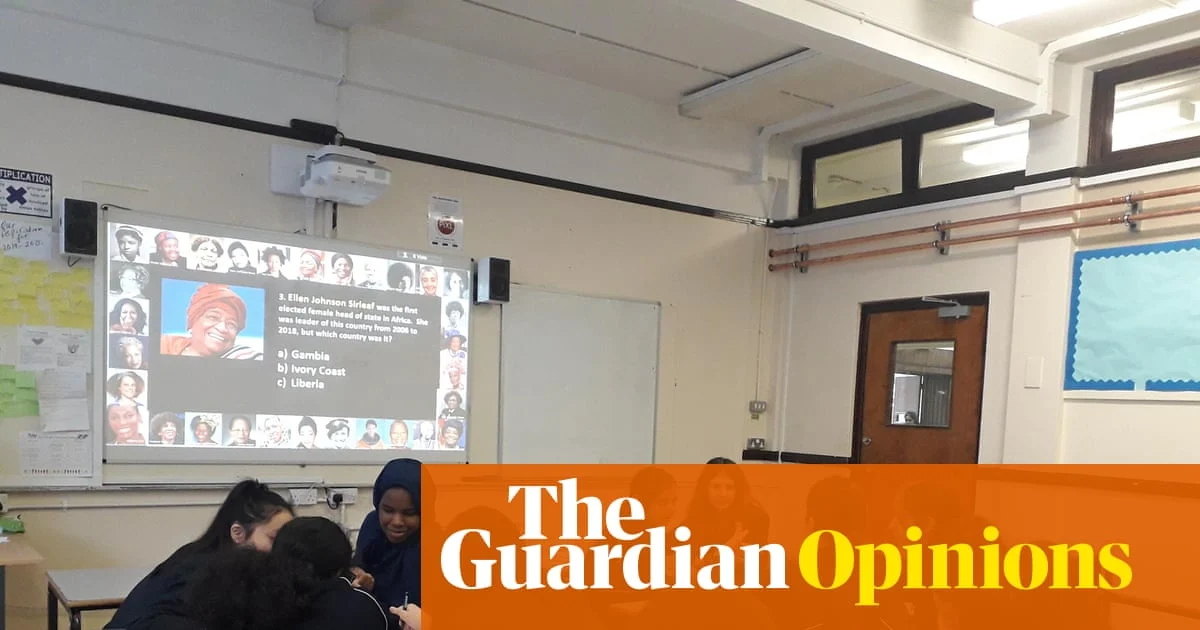
Slave trade teaching in England remains optional despite growing evidence about slavery’s influence on Britain’s development, according to a commentary arguing the subject should no longer be a matter of choice. The piece, written by a former secondary school history teacher, draws on personal classroom experience to question why the national curriculum allows schools to skip this history.
History is described as a foundational subject in England, taught to children from the age of five to 14 to build critical thinking skills and help pupils understand the world they have inherited. The key stage 3 national curriculum, covering ages 11 to 14, states that pupils should understand how Britain has influenced and been influenced by the wider world, including a historically grounded understanding of empire.
Key Facts
- Optional status: Teaching about Britain’s role in the transatlantic slave trade remains a matter of choice in English schools.
- Critical thinking: History is a foundational subject taught from ages five to 14 to build critical thinking and contextual understanding.
- Curriculum scope: Key stage 3 pupils should learn how Britain influenced and was influenced by the wider world, including empire.
- Author background: The argument is made by someone who worked as a secondary school history teacher.
How did we get here?
The commentary reflects ongoing debate in England over how schools teach the transatlantic slave trade and Britain’s imperial past. The author draws on years of classroom experience to highlight gaps in what teachers are and are not able to cover within the existing framework.
Under the current structure, schools have discretion over how deeply they engage with topics such as Britain’s role in the slave trade. This has led to inconsistent coverage across different institutions, with some pupils receiving substantial instruction while others receive little to none.
The national curriculum provides a broad outline, but specifics around sensitivity and depth are left to individual schools and teachers, creating the variation the commentary seeks to address.
What happens next?
The commentary does not outline specific legislative proposals or policy changes currently under consideration. Instead, it frames the issue as one of growing awareness, citing mounting evidence about how slavery shaped Britain.
Advocates for mandatory inclusion argue that understanding this history is essential for pupils developing a historically grounded awareness of empire and its legacies. Opponents of compulsion often cite concerns about age-appropriateness and the emotional weight of the material for young learners.
No formal consultation or parliamentary timeline is mentioned in the source material, leaving the next steps in the hands of policymakers and educational bodies.
What We Know — and What We Don’t
Verified by the source:
- The commentary argues slave trade teaching should not remain optional.
- History is a foundational subject in England taught from ages five to 14.
- Key stage 3 curriculum includes understanding Britain’s global influence and empire.
- The author is a former secondary school history teacher.
Still unconfirmed:
- No specific legislation or policy proposals are named.
- No dates or timelines for curriculum review are provided.
- No official data on current school-level implementation rates is cited.
Slave trade teaching remains optional in England despite growing calls for mandatory inclusion, according to a Guardian commentary by a former history teacher arguing the subject cannot remain a matter of choice. The article highlights curriculum gaps but does not name specific policy changes or timelines.
Why it matters
How England teaches its imperial and slave-trading past shapes public understanding of ongoing racial and economic inequalities. A national conversation about mandatory inclusion reflects wider efforts across institutions to reckon with historical legacies.
What to watch
Education policymakers have not indicated a timeline for reviewing the national curriculum’s approach to empire and the transatlantic slave trade. Future decisions by the Department for Education would determine whether teaching becomes compulsory rather than optional. See related coverage in our politics and climate-environment archives.