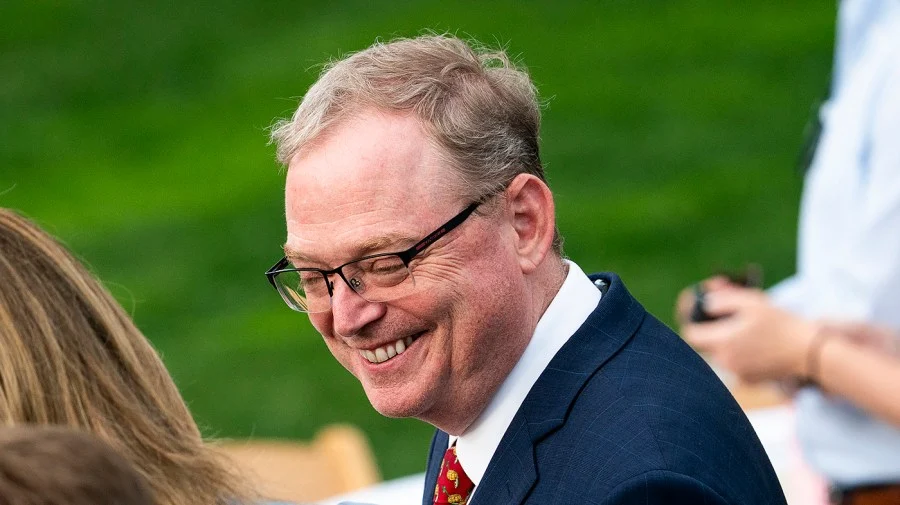
Kevin Hassett, director of the National Economic Council, pushed back on negative economic polling during an interview aired Sunday, saying he does not believe the surveys show Americans are deeply pessimistic about the economy. Hassett characterized the timing of such findings as politically motivated, describing them as a classic Democratic strategy before an election cycle. This marks one of the most direct public challenges by a senior White House economist to polling that reflects negatively on the administration’s economic record.
The comments come as polling firms continue to publish consumer sentiment and economic approval metrics that analysts say can influence voter perceptions ahead of upcoming elections. Hassett’s stance underscores a broader political debate over whether economic data releases near election periods carry inherent partisan framing. His remarks also highlight tensions between how government officials interpret economic indicators versus how independent polling organizations present public opinion trends.
Key Facts
- Kevin Hassett is the director of the National Economic Council.
- He stated on Sunday that he does not believe recent polls showing negative feelings about the economy.
- Hassett described the timing of such polls as a classic Democratic move ahead of an election cycle.
- He specifically referenced the presence of possibly partisan pollsters publishing depressive economic sentiment data.
- The comments were made in an interview and reported by Just In News.
Why Now: Election-Year Economics
Hassett’s dismissal of negative economic polling fits into a familiar pattern during election years, when economic data becomes both a campaign issue and a partisan talking point. Incumbents often question polls showing voter dissatisfaction, especially when those polls are conducted by organizations perceived as aligned with the opposing party. The proximity of data releases to election cycles raises questions about whether timing alone can skew public perception of economic health.
Presidential administrations historically react cautiously to polling that reflects poorly on their performance, frequently countering with alternative data sets or emphasizing different metrics such as employment or inflation. Hassett’s role gives added weight to his skepticism, since the National Economic Council regularly synthesizes economic research to shape policy recommendations. Still, his framing echoes longstanding partisan divides over how best to measure economic progress.
What Happens Next With Polling?
Following Hassett’s comments, attention is likely to shift toward upcoming releases from nonpartisan institutions such as the Bureau of Labor Statistics or consumer confidence indexes compiled by private research groups. These data points are often viewed as less vulnerable to partisan framing because they come from established statistical agencies. However, even nonpartisan data can be interpreted differently depending on the audience and context in which it is presented.
Political strategists note that dismissing polling outright rarely changes public opinion, but it can reinforce base loyalty among supporters who already distrust mainstream polling methods. Meanwhile, independent polling organizations defend the integrity of their methodologies, though critics argue that sample sizes and question phrasing can still influence outcomes. As election season unfolds, observers will watch whether additional economic indicators align with or contradict the sentiment Hassett questioned.
What We Know — and What We Don’t
Verified by the source:
- Kevin Hassett is the director of the National Economic Council.
- He made the comments on a Sunday interview.
- He expressed disbelief in recent polls showing negative economic sentiment.
- He described the polling trend as a classic Democratic election strategy.
Still unconfirmed:
- The specific poll or polling firm Hassett was referencing.
- The exact date or network of the Sunday interview.
- Numerical details about the poll’s margin or methodology.
- Official responses from polling organizations or White House spokespeople.
Why It Matters
Economic polling shapes how voters perceive incumbent performance and often drives messaging strategies for both parties. When top economic advisers publicly dispute polling data, it contributes to ongoing debates about media trust, data credibility, and the role of partisanship in interpreting economic indicators.
What To Watch
Additional statements from White House officials or polling organizations may clarify the specific survey under scrutiny. Future economic releases and their reception will also signal whether Hassett’s skepticism gains broader traction among policymakers.
National Economic Council Director Kevin Hassett rejected negative economic polling, calling it partisan ahead of elections.