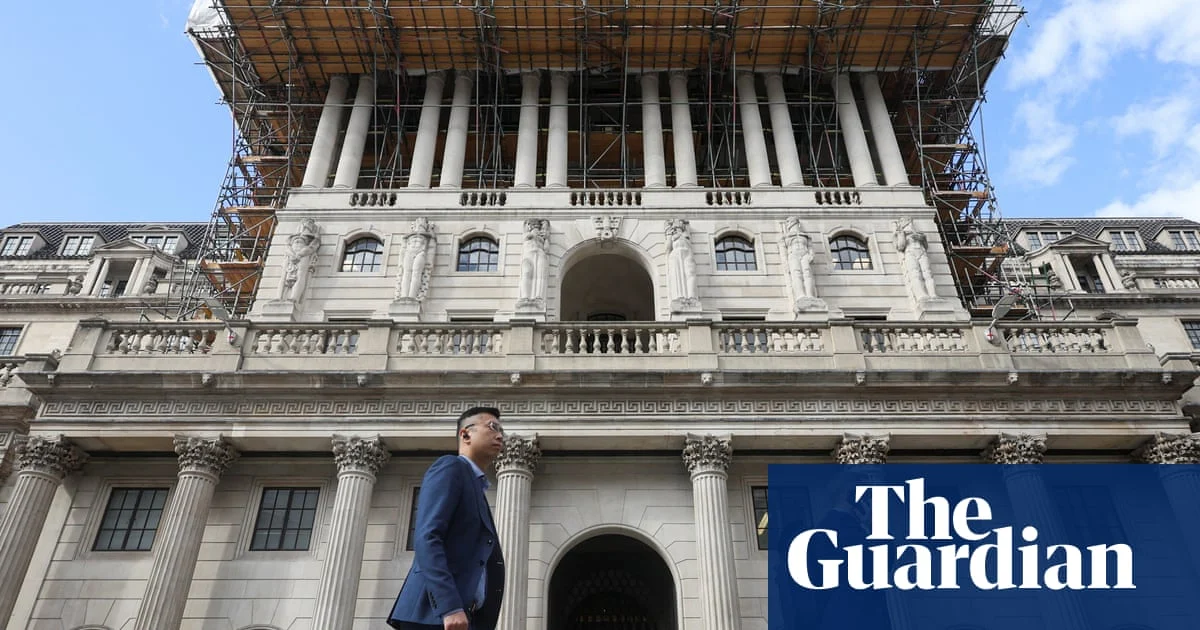
The Bank of England has held its benchmark interest rates at 3.75%, defying expectations of a cut while signaling that future increases remain possible if geopolitical tensions intensify. In a statement released after its latest policy meeting, the central bank cited mounting inflationary pressures linked to war-related disruptions as justification for maintaining a restrictive monetary stance. It also announced an unexpected plan to sell billions of pounds in UK government bonds back to the Treasury, aiming to stabilize gilt market conditions ahead of next month’s budget.
By keeping rates unchanged, the Bank of England is balancing efforts to control inflation against signs of economic strain. The decision reflects cautious policymaking as officials weigh data on wages, consumer prices, and global supply chains. At the same time, the bond-selling initiative introduces new dynamics into how the government manages its debt portfolio, with potential implications for fiscal planning and investor confidence.
Key Facts
- The Bank of England maintained interest rates at
3.75%. - War-related risks were cited as a factor prompting potential future rate hikes.
- A surprise plan was announced to sell
billions of poundsin government bonds to the Treasury. - The bond sale aims to prevent turbulence in the
gilt market. - These actions occur ahead of next month’s
budget.
The Story
What happens next?
Looking ahead, market participants will closely monitor whether the Bank of England adjusts its monetary policy path in response to evolving economic indicators. Should inflationary pressures persist or global conflicts escalate, another rate increase could follow sooner rather than later. Meanwhile, the bond repurchase program is set to unfold gradually over the coming weeks, influencing liquidity in the gilt market and potentially affecting long-term borrowing costs for the government.
Investors and financial institutions are recalibrating strategies based on the latest guidance from the Bank of England. With both interest rate decisions and bond market interventions underway, businesses and households may see shifts in mortgage rates, savings returns, and loan pricing. Economic forecasts remain fluid, shaped largely by external shocks such as energy price swings and geopolitical instability.
Who is affected?
Savers, borrowers, and investors all feel the ripple effects when interest rates hold steady near multi-year highs. For homeowners with variable-rate mortgages, delayed relief continues; for retirees relying on fixed-income investments, yields offer modest gains. Pension funds and insurance firms holding large portfolios of government bonds also face repricing risks tied to shifting gilt market dynamics.
The broader public bears indirect consequences through tax and spending priorities shaped by public finance management. As the Treasury prepares for its upcoming budget, the central bank’s intervention via bond sales could free up fiscal space—or create complications depending on how markets react. Each party involved must adapt quickly within an environment where policy tools intersect unpredictably.
What We Know — and What We Don’t
Verified by the source:
- The Bank of England voted to keep interest rates at
3.75%. - The BoE warned that war-related issues might necessitate further rate hikes.
- Billions of pounds in UK government bonds will be sold back to the Treasury.
Still unconfirmed:
- No specific timeline for bond sale execution has been provided.
- Exact total value of bonds to be transferred remains unspecified.
- Names of policymakers supporting or opposing the decision were not disclosed.
Why It Matters
Interest rate stability plays a crucial role in shaping national economic trajectories. When central banks signal caution amid global uncertainty, they protect against runaway inflation while preserving room to act later. These moves also impact everyday life—from employment outlooks to housing affordability—and influence international perceptions of domestic resilience.
What To Watch
Upcoming inflation reports and official communications from the Bank of England will determine whether rate adjustments materialize. Markets await clarity on bond sale mechanics and any revisions to forward guidance before the next policy cycle begins.