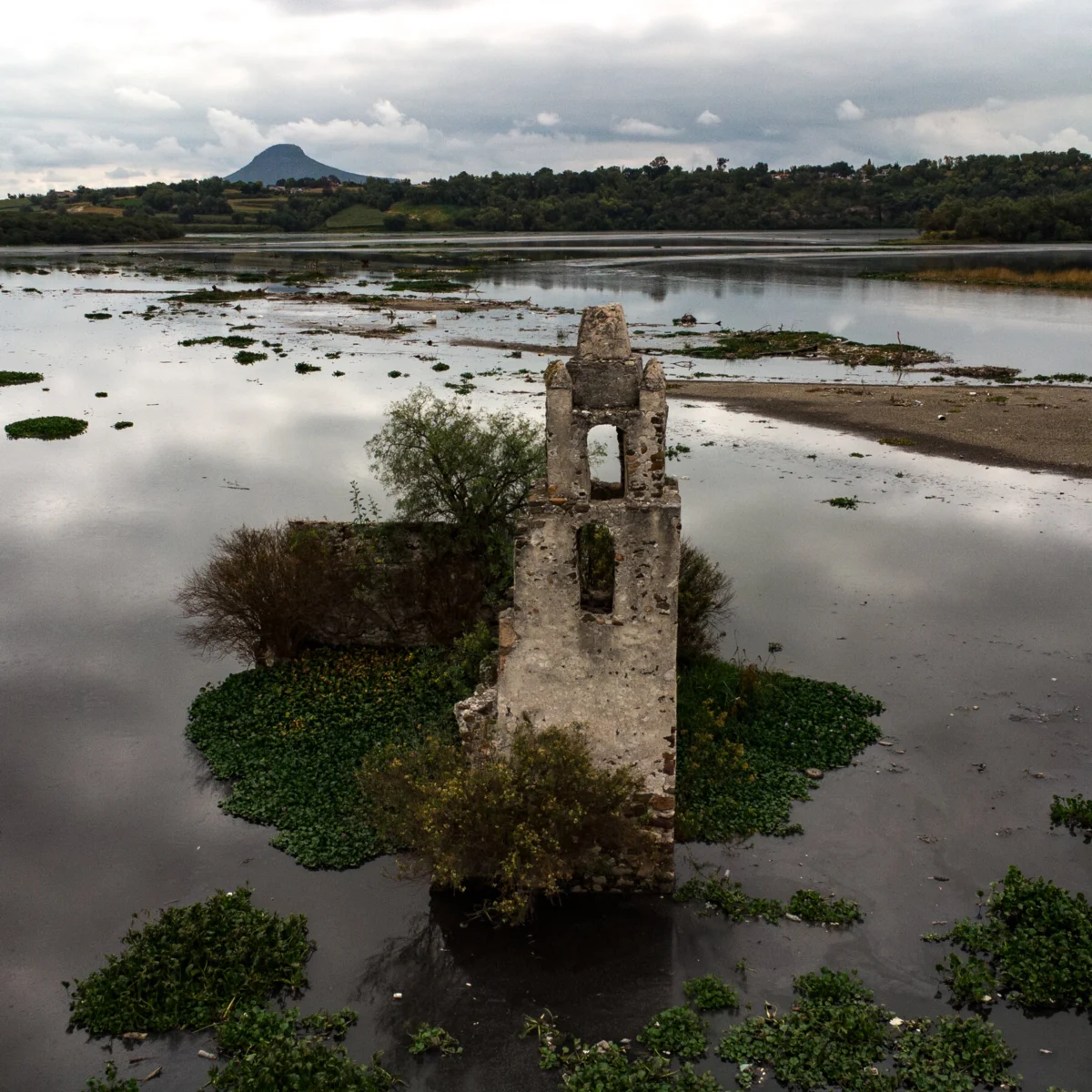
Mexico City has designated a rural valley as a sacrifice zone for decades, flushing away the capital’s waste while local communities suffer rising cancer rates. The valley’s environment bears the cost of powering the economy, leaving residents to pay with their lives.
For generations, authorities have used the valley to absorb the Mexican capital’s waste and sustain economic activity. Now, health impacts are mounting in those same communities.
KEY FACTS
- Mexico City has created a toxic ‘sacrifice zone’ in a rural valley.
- The zone has been used for decades to flush away the capital’s waste.
- Cancer rates are surging in the affected communities.
- The valley’s residents are paying the cost with their lives.
The Story
Who is affected?
Local communities living near the waste-flushed valley are experiencing surging cancer rates, according to the report. These residents have borne the health burden of decades of waste disposal, often without adequate protection or response from authorities.
The valley’s role as a dumping ground for Mexico City’s waste has turned it into what sources call a toxic sacrifice zone. Economic activity in the capital continues, while those closest to the waste disposal sites face serious health consequences.
How did we get here?
For decades, Mexican authorities have prioritized economic output and waste management for the capital by channeling refuse into a rural valley. This policy treated the area as an expendable space, with little regard for long-term environmental or health impacts.
The decision to use the valley as a sacrifice zone reflects a broader pattern of placing economic needs above community safety. Now, those communities are facing the consequences, with cancer rates climbing and lives at risk.
What happens next?
Local communities continue to suffer health impacts as cancer cases surge in the sacrifice zone. Without intervention, the gap between the capital’s economic gains and rural community health outcomes is likely to widen.
The situation underscores the need for accountability and remediation efforts, though the report does not specify upcoming policy responses or cleanup plans.
What We Know — and What We Don’t
Verified by the source:
- The valley has been used for decades to dispose of Mexico City’s waste.
- Cancer rates are surging in local communities.
- The valley is described as a toxic sacrifice zone.
- Communities are paying the cost with lives.
Still unconfirmed:
- No specific time frame for when the practice began.
- No names of affected individuals or officials.
- No exact cancer rates or health statistics.
- No stated policy changes or remediation plans.
Why It Matters
This story highlights the human cost of environmental neglect and how waste management decisions can disproportionately harm vulnerable rural communities. Sacrifice zones remind readers that economic growth often comes at a steep price paid by those with the least political power.
What To Watch
Readers should watch for government responses, health studies, and community advocacy efforts addressing the sacrifice zone’s impact. Official statements from authorities remain pending, and independent verification of health data would strengthen future reporting.