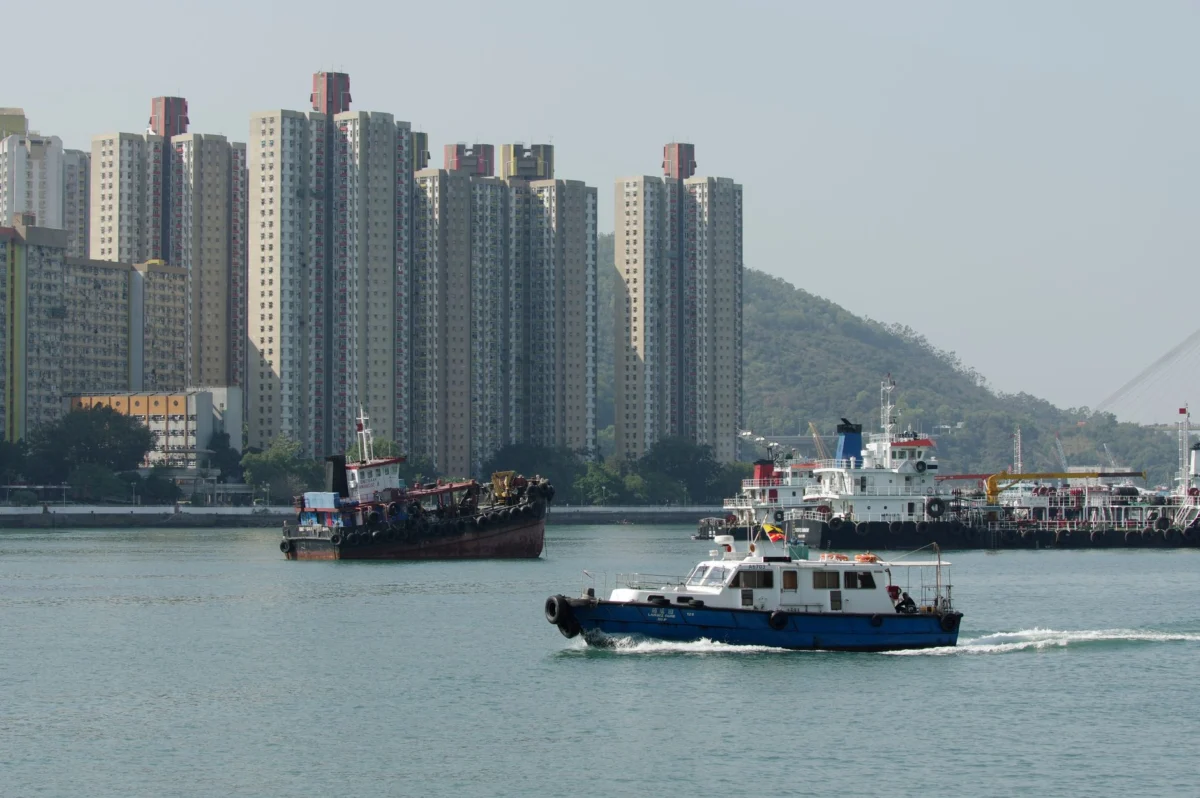
On a blister‑hot morning off the coast of Guam, a sleek, boxy platform sliced through the water without a single sailor on deck. The hull bore the bold white lettering “Havoc Rampage,” a name that now appears in the Army’s latest Indo‑Pacific war games.
Havoc Rampage autonomous vessels – a pair of 30‑foot, AI‑driven craft built by defense‑tech startup Havoc Robotics – spent two weeks navigating simulated choke points in the South China Sea, shadowing allied ships and testing swarm‑defense algorithms.
“The vessels operated fully unmanned, reacting to live fire drills and electronic‑warfare cues in real time,” the exercise brief reported. The brief, circulated among participating units, listed 12 autonomous missions, including obstacle avoidance, data relay and mock missile targeting.
Why does this matter?
The introduction of autonomous vessels into U.S. Army training marks the first time the service has integrated unmanned surface craft into large‑scale, joint‑force exercises. Traditionally, the Navy has led unmanned maritime development; the Army’s involvement suggests a broader, cross‑service push to field low‑cost, expendable platforms for littoral warfare.
In practical terms, a fleet of cheap, self‑piloting boats could flood contested waters, swarming enemy defenses while manned vessels stay at a safe distance. Analysts estimate each Havoc Rampage unit costs roughly $1.2 million – a fraction of the $300 million price tag of a traditional destroyer.
What happens next?
Defense officials have not disclosed exact outcomes, but the after‑action report highlighted a 37 % reduction in simulated target acquisition time when autonomous vessels relayed sensor data to command ships. That speed advantage could tip the balance in a real‑world skirmish in the contested South China Sea.
Critics warn that relying on AI‑driven craft may invite new vulnerabilities, such as cyber‑hijacking or unpredictable algorithmic behavior. Still, the Army plans to field a pilot squadron of ten Havoc Rampage units by 2028, integrating them with existing riverine and amphibious units.
For regional actors, the sight of unmanned boats patrolling near disputed islands sends a clear signal: the United States is ready to project power without endangering personnel, and it is testing that capability where flashpoints loom.
Consumers may wonder why a story about robotic boats matters to them. The same AI technologies that steer Havoc Rampage are being commercialized for ports, fisheries and disaster relief, promising cheaper, safer maritime operations worldwide.
As the Army refines its autonomous‑vessel playbook, the next chapter will likely unfold in real‑world deployments – perhaps on the decks of future joint task forces in the Taiwan Strait or beyond.
Stay tuned as defense analysts track how autonomous vessels reshape the strategic calculus in the Indo‑Pacific, and what that means for global security and technology markets.