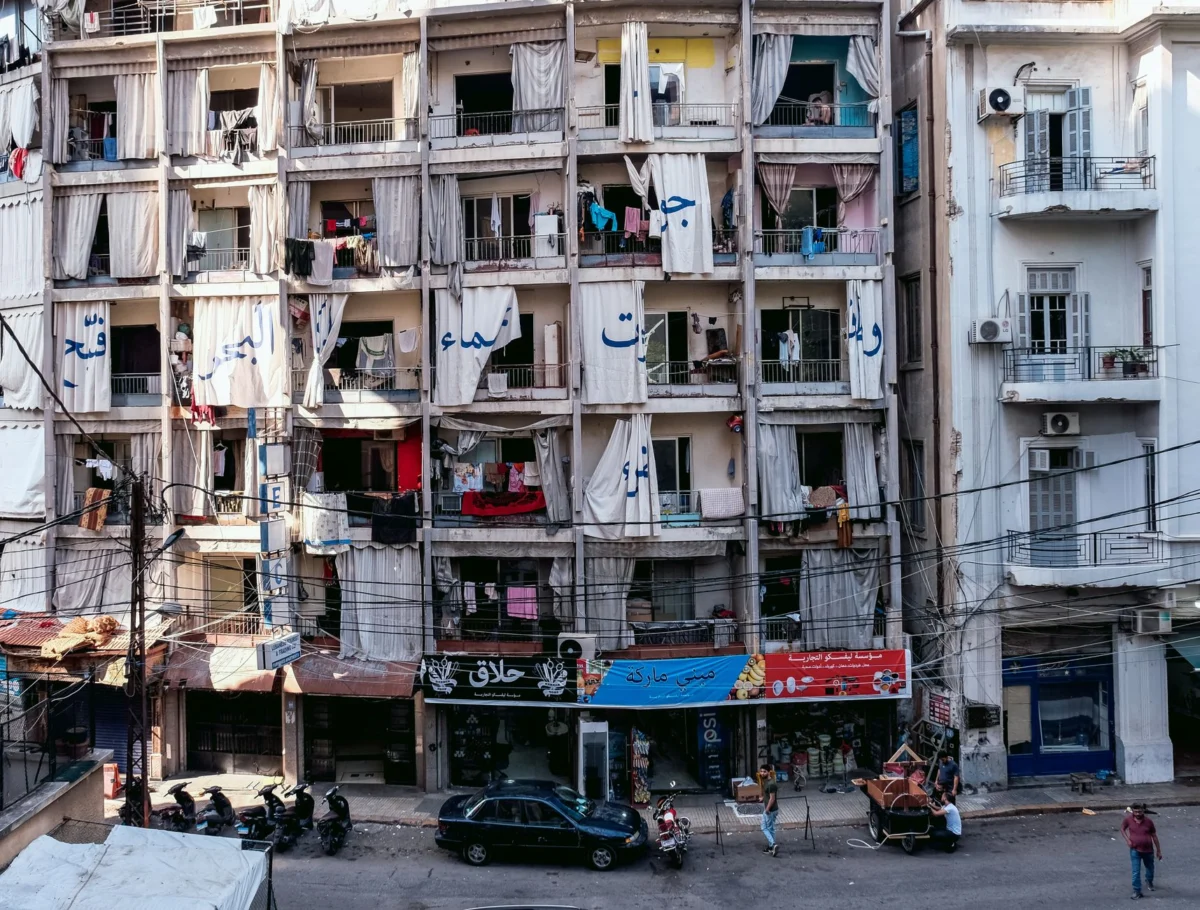
In a cramped clinic on the outskirts of Nabatieh, a four‑year‑old boy clutches a broken crutch while a nurse hurriedly patches a wound with a single suture.
Doctors Without Borders (MSF) described that scene as emblematic of a “death trap” gripping the southern Lebanese city.
MSF’s latest field report says more than 70 % of Nabatieh’s 150,000 residents lack reliable electricity, and 60 % are unable to access clean water.
What MSF observed on the ground
The organization counted 12 operating rooms still functional, but each is forced to run on diesel generators that fail every few hours. “When the power dies, the ventilators stop,” the report states, underscoring how quickly patients could slip into fatal conditions.
Supply lines have collapsed. Humanitarian convoys were blocked for three consecutive weeks after a nearby military checkpoint tightened, according to MSF data.
Why does this matter?
Lebanon’s already fragile health system is a linchpin for stability in a country teetering on economic collapse. If Nabatieh’s hospitals cease operating, neighboring districts—already stretched thin—could see spikes in mortality and a surge of refugees fleeing southward.
International investors watch these developments closely; a deepening health crisis can trigger capital flight, worsening the currency devaluation that has already slumped the Lebanese pound by 95 % since 2020.
Broader geopolitical ripple effects
The southern governorate borders Israel, and any escalation could pull regional powers into a humanitarian emergency. The United Nations has warned that a “collapsed health sector could become a weapon of war,” a phrase echoed by analysts in the war‑geopolitics beat.
For now, MSF has appealed to the Lebanese Ministry of Public Health and the United Nations for an immediate humanitarian corridor, but diplomatic talks remain stalled.
What happens next?
Without external aid, the next week could see an increase in preventable deaths from treatable infections and complications of chronic diseases.
Watch for a possible UN Security Council briefing on the health‑security link in the coming days.
“If the world waits any longer, Nabatieh will become a graveyard rather than a city,” the MSF statement warns.
Stay tuned as aid organizations scramble to negotiate access and donors assess where to allocate the dwindling funds.