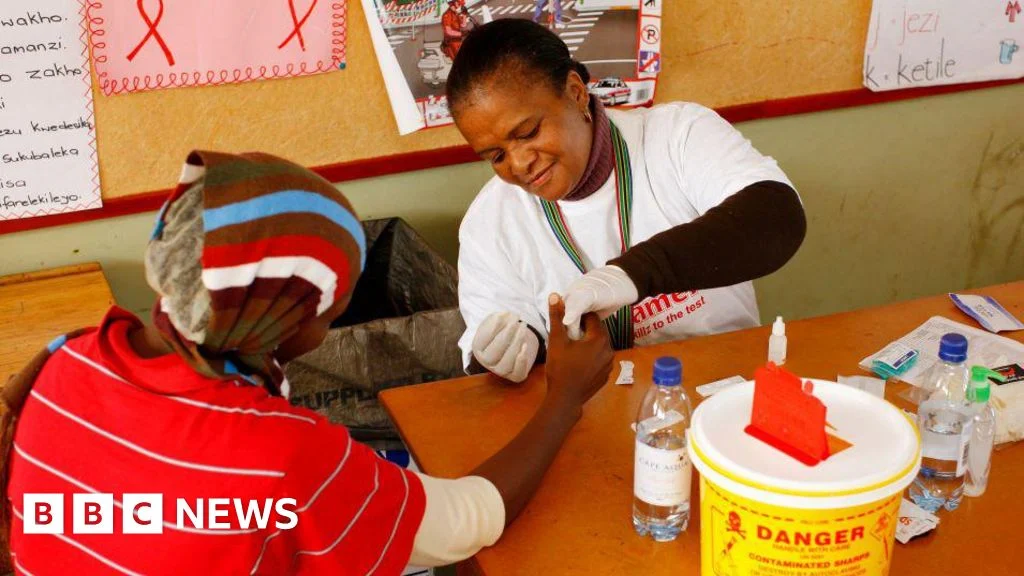
The United States announced it will cease all funding for HIV programmes in South Africa, a nation that bears the world’s largest HIV burden – more than eight million citizens are infected.
In a brief statement, the U.S. State Department said the decision reflects a broader review of American assistance overseas.
What does the funding cut mean?
South Africa receives roughly $1.2 billion a year from U.S. agencies for HIV prevention, testing, and antiretroviral treatment.
Without that cash flow, clinics that dispense life‑saving pills could face shortages within months.
Local NGOs warn that patients who have relied on free medication may be forced to pay out‑of‑pocket, a cost many cannot afford.
Why does this matter?
HIV is not just a health issue; it drives economic loss, strains public services, and fuels social stigma.
Each untreated case can increase health‑care expenditures by up to 40 % and depress productivity in affected communities.
For readers in the United States, the ripple effect may reach local tax bases and global supply chains that depend on a healthy workforce in African markets.
Who is affected?
Beyond the eight million South Africans living with HIV, the cut hits pregnant women, children, and key populations such as sex workers and men who have sex with men, who already face barriers to care.
International donors, including the Global Fund, are watching closely; a funding vacuum could force a scramble for resources.
What happens next?
The State Department said it will “continue to engage” South Africa on alternative financing, but no timeline has been set.
South Africa’s health ministry has pledged to re‑allocate domestic funds, yet budget constraints make up‑scaling uncertain.
Experts warn that interruptions in treatment can lead to drug resistance, undoing years of progress toward the UNAIDS 95‑95‑95 targets.
Why this story matters to you
Global health security is intertwined; a resurgence of HIV in a major economy raises costs for pharmaceutical research, insurance premiums, and travel advisories worldwide.
Moreover, the decision signals a shift in U.S. foreign‑policy priorities that could affect other aid programmes, from malaria control to climate resilience.
Stay tuned as diplomatic talks unfold and civil‑society groups rally for a swift reversal.
What’s the outlook?
Negotiations are expected to begin within weeks. If a new funding model emerges, South Africa could avoid a catastrophic treatment gap; if not, millions may face a return to pre‑treatment mortality rates.
Follow our coverage for updates on funding negotiations, on‑the‑ground impacts, and the broader geopolitical implications of the United States pulling back its HIV aid.
Read more about related developments in health and science and the war‑geopolitics of global aid.