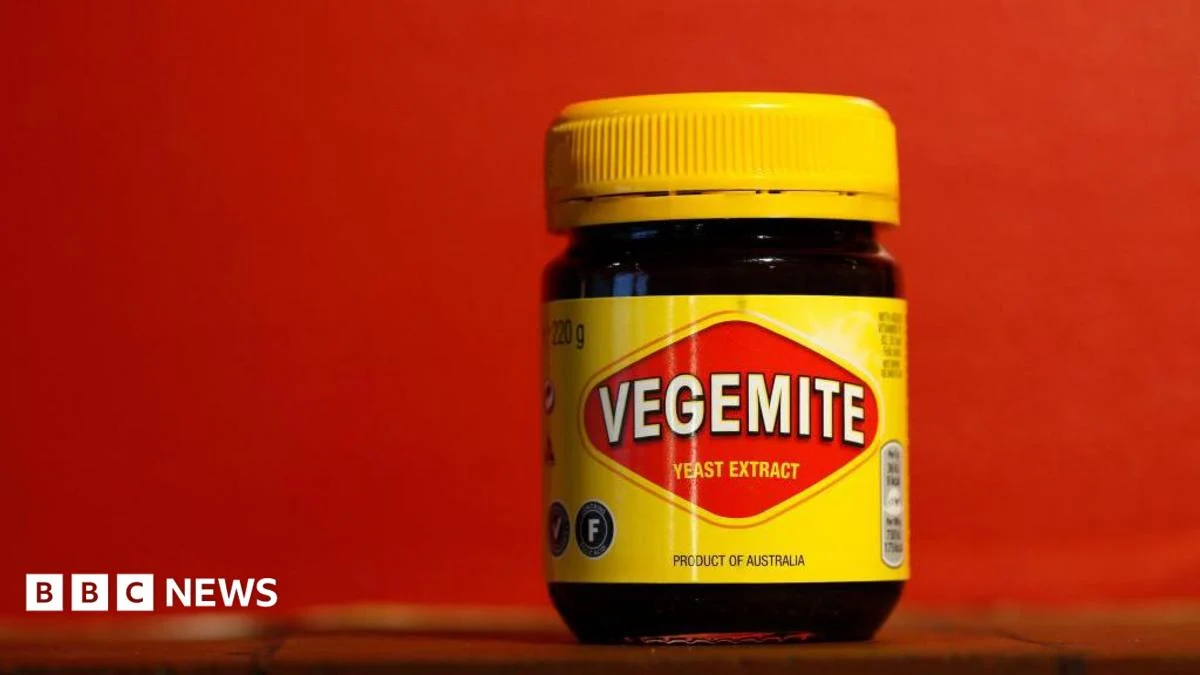
Australian murderer’s Vegemite prison appeal rejected
A prison inmate serving a life sentence for murder has been denied special permission to consume Vegemite while incarcerated. Andre McKechnie argued that eating the iconic Australian spread was essential to maintaining his cultural identity behind bars, but authorities upheld existing dietary restrictions.
The case raises broader questions about prisoner rights, cultural expression, and institutional policies governing food choices in correctional facilities. While McKechnie’s request may appear unusual, it touches on fundamental debates over personal autonomy within controlled environments such as prisons.
KEY FACTS
- Andre McKechnie is serving a life sentence for the murder of a property developer.
- He requested permission to eat Vegemite in prison as part of his cultural identity.
- His legal challenge was rejected by prison officials or courts.
- The denial centered on standard prison dietary regulations.
The Legal and Institutional Context
Vegemite is more than just a food item in Australia—it symbolizes national identity and heritage. For many Australians, consuming Vegemite with breakfast or on toast is a daily ritual deeply rooted in tradition. McKechnie’s argument that access to Vegemite constitutes a basic human right tied to cultural belonging highlights how seemingly minor issues can intersect with larger themes of personal freedom, dignity, and rehabilitation within the justice system.
However, correctional institutions operate under strict protocols designed to maintain order, security, and health standards. These frameworks often limit individual preferences—including food choices—to ensure compliance with nutritional guidelines, manage behavioral concerns, and prevent contraband smuggling. Courts typically defer to prison administrations when evaluating requests that fall outside established norms unless constitutional violations are clearly demonstrated.
What Happens Next?
This outcome leaves McKechnie without recourse to overturn the decision through conventional appeals processes, assuming none remain pending. Unless new evidence emerges or alternative legal strategies are pursued—including potential challenges based on discrimination or cruel treatment—there appears little avenue for reversing the current stance. Prisoners’ rights advocates sometimes monitor such cases to assess precedent-setting implications, though this particular matter seems unlikely to prompt systemic policy changes given its narrow scope and resolution at the administrative level.
Beyond McKechnie’s specific situation, this case underscores ongoing tensions between individual liberties and institutional authority within correctional settings. It also invites reflection on how societies balance respect for diverse identities alongside the practical demands of maintaining safe, secure, and uniform environments for those detained under state supervision. Similar disputes have arisen globally involving religious diets, dietary restrictions, and symbolic expressions of identity, suggesting continued evolution in jurisprudential approaches toward accommodating personal beliefs within confined spaces.
WHAT WE KNOW — AND WHAT WE DON’T
Verified by the source:
- Andre McKechnie murdered a property developer.
- He sought permission to eat Vegemite in prison.
- His request was legally challenged but ultimately denied.
- BBC News reported these facts directly.
Still unconfirmed:
- No specific court name or ruling date provided.
- Details about McKechnie’s full sentence or release eligibility missing.
- Reasoning cited by decision-makers remains unclear.
- Whether any formal appeal process is ongoing is unknown.
Why It Matters
While McKechnie’s request might seem trivial, it reflects deeper conversations about cultural rights, prisoner welfare, and institutional flexibility—issues relevant far beyond one man’s condiment preference. Stories like this highlight the nuanced ways identity intersects with incarceration policies worldwide. Explore related developments in [war-geopolitics](/category/war-geopolitics).
What To Watch
There has been no indication yet whether further legal action will be taken. The story currently appears closed unless new motions or public responses surface.