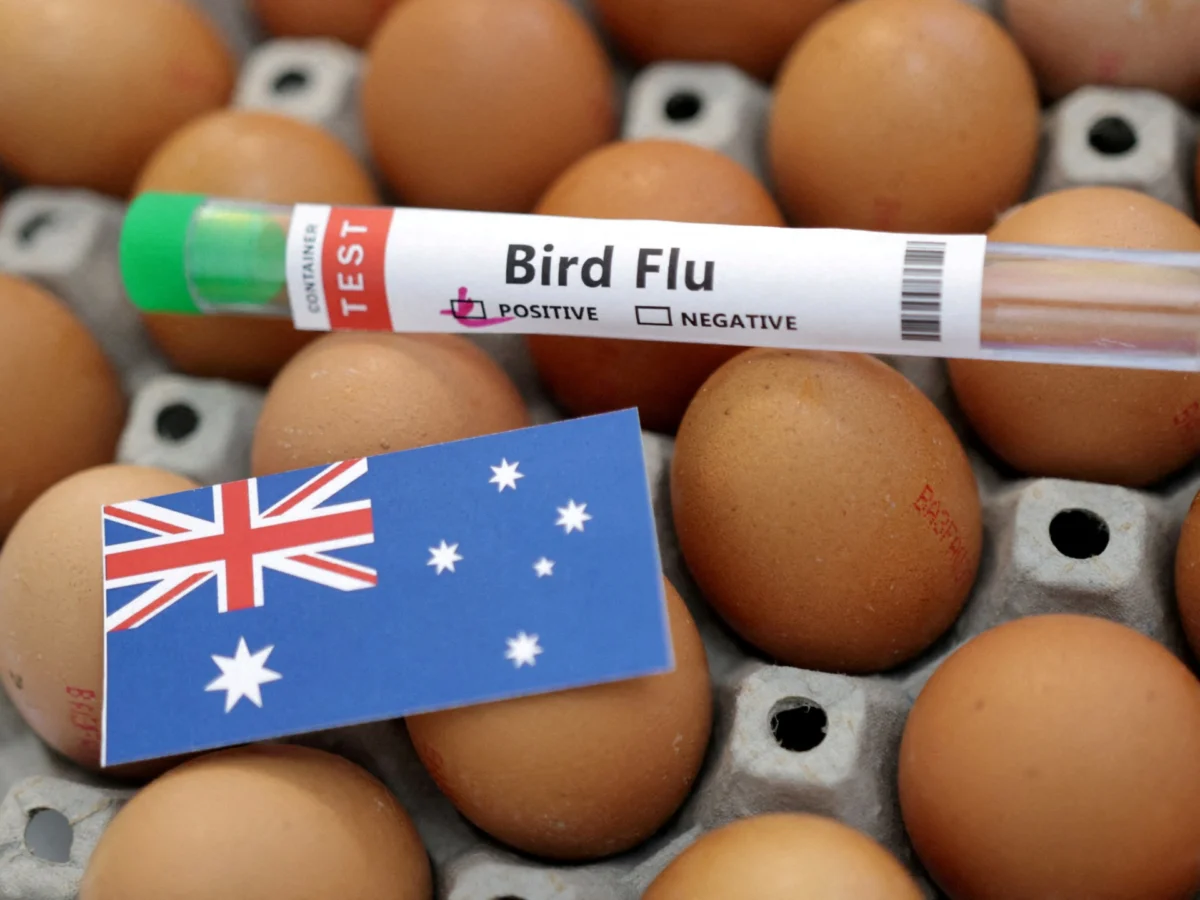
Australia’s agriculture minister warned that H5N1 likely to spread after tests confirmed the virus in a group of 49 dead and 35 sick terns.
The warning follows what officials describe as the first mass mortality episode involving terns linked to the virus. Health and agriculture agencies are monitoring the situation to assess any further risk to bird populations.
Key Facts
- dead terns and sick terns tested positive for H5N1 bird flu.
- Australia’s agriculture minister warned H5N1 likely to spread after first mass mortality episode.
- The warning follows the first recorded mass mortality of terns linked to H5N1.
- Testing by authorities confirmed the presence of H5N1 in the affected birds.
- The incident marks Australia’s first mass mortality event involving terns and H5N1.
What does H5N1 likely mean for wildlife?
H5N1 is a subtype of the influenza A virus that primarily infects birds and is known for causing severe disease and high mortality rates in poultry and wild avian species. When the virus spreads among wild birds, it can lead to die‑offs that alert authorities to its presence in the environment. Terns, which are coastal seabirds that feed on fish, are particularly vulnerable because they gather in large colonies during breeding season. A mass mortality event involving dozens of terns suggests the virus is circulating locally and may increase the chance of spillover to other bird groups. While the current report does not indicate infection in mammals or humans, health officials note that continued surveillance is essential to track any changes in the virus’s behaviour.
Who is affected and what actions are being taken?
The immediate concern is for the tern colony where the dead and sick birds were found, as their loss could affect local biodiversity. Bird‑watching communities and conservation groups may monitor nesting sites for further signs of illness. Authorities could enhance biosecurity measures around poultry operations to prevent potential transmission from wild birds. The agriculture minister’s warning signals that officials are preparing for possible wider spread and may issue guidance to stakeholders. Public health agencies typically watch avian influenza closely because of its rare but potential zoonotic risk, though no human cases have been reported in this incident.
What We Know — and What We Don’t
Verified by the source:
- Agriculture minister warned H5N1 likely to spread after first mass mortality episode.
- Testing confirmed H5N1 bird flu in 49 dead and 35 sick terns.
Still unconfirmed:
- Exact location of the mortality episode.
- Date when the dead and sick terns were found.
- Whether the virus has spread to other bird species or regions.
- Potential impact on nearby poultry farms or human health.
Why It Matters
The incident highlights the ongoing threat of highly pathogenic avian influenza to wildlife and underscores the importance of early detection. Mass mortality events in seabirds can signal wider ecological risks and prompt precautionary measures for poultry industries and public health monitoring.
What To Watch
Officials may issue further updates as surveillance continues, and any changes in the virus’s spread or affected species would be important to watch for future guidance.