Lede
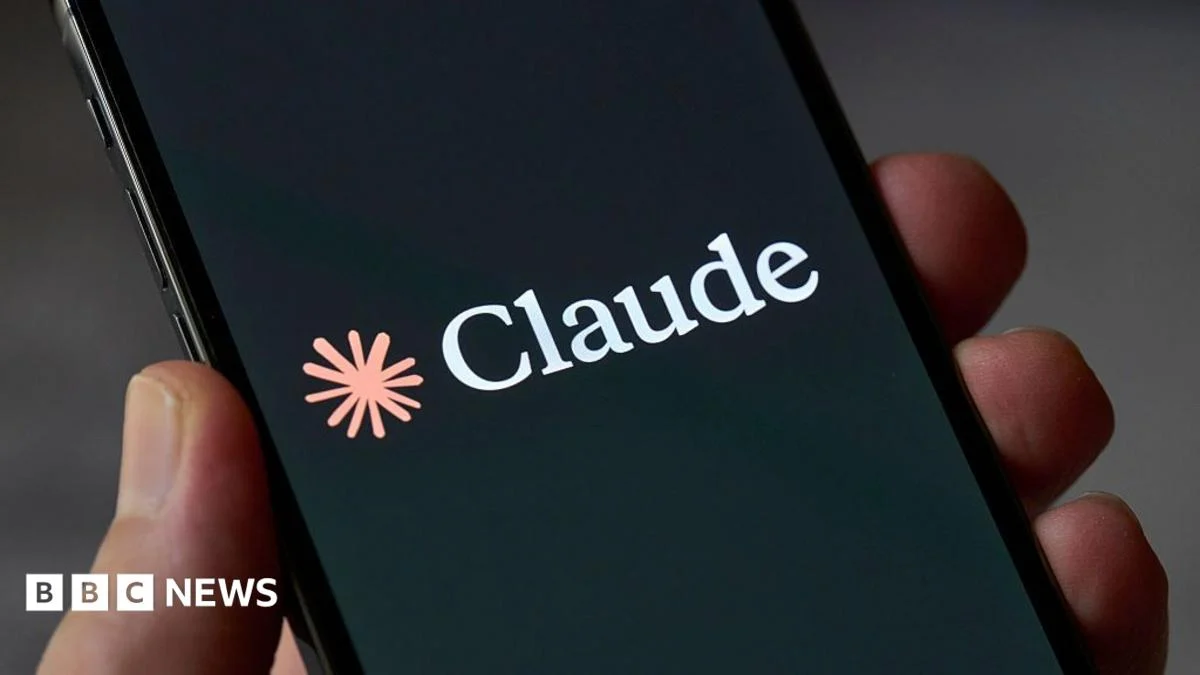
Anthropic has implemented a policy banning users from engaging in cruel or abusive behavior toward its AI systems, prohibiting sustained and needless mistreatment of the technology. The move reflects growing industry attention to how people interact with artificial intelligence and signals a new frontier in user conduct rules.
The policy, announced by the company behind the Claude AI models, underscores shifting norms around digital etiquette and the treatment of AI assistants. As AI becomes more integrated into daily life, questions about appropriate user behavior are emerging in corporate governance and public discourse.
Key Facts
- Anthropic bans users from being ‘cruel’ to its AI systems.
- Users are barred from engaging in ‘sustained and needless’ abusive behavior toward the AI.
- The policy targets how people interact with Claude, Anthropic’s AI assistant.
- The change highlights evolving norms in AI ethics and user conduct.
- No specific penalties were detailed in the announcement.
Why AI Abuse Matters Now
The rise of conversational AI tools like ChatGPT and Claude has led to increased scrutiny of how users treat these systems. While AI lacks consciousness, researchers and ethicists debate whether abusive interactions could affect training data, model behavior, or user attitudes in broader social contexts.
Companies developing AI systems are increasingly formalizing conduct expectations. These policies often go beyond preventing misuse—such as phishing or misinformation—to address interpersonal tone and language used during interactions.
What Happens Next?
It remains unclear how strictly the new policy will be enforced or whether repeat offenders could face account restrictions. The lack of specific consequences in the announcement leaves users without clear guidance on potential outcomes.
Rivals in the AI space, including OpenAI and Google, have not yet introduced comparable conduct rules specifically targeting cruelty toward AI. However, as public awareness of AI ethics grows, such policies may become more widespread.
What We Know — and What We Don’t
Verified by the source:
- Anthropic has banned users from engaging in sustained and needless abusive behavior toward its AI systems.
- The policy applies to interactions with Claude, its flagship AI assistant.
- The change reflects internal discussions on AI ethics and user conduct.
Still unconfirmed:
- No details were provided about enforcement mechanisms or penalties.
- It is unknown if similar policies apply across all of Anthropic’s products.
- Other tech firms have not clarified whether they plan comparable AI abuse restrictions.
Why It Matters
This development is part of a wider conversation on how society should treat artificial intelligence. While AI is not sentient, how users engage with it may reflect broader behavioral patterns—and companies are beginning to set boundaries that go beyond traditional terms of service.
For readers, this raises questions about digital responsibility and whether treating AI kindly might foster healthier human-AI collaboration. Explore more on AI ethics under tech-ai and economy-markets. The line between tool and companion continues to blur in everyday applications.
What To Watch
Other major AI developers have yet to announce similar prohibitions. Future updates may clarify whether this becomes standard practice in the industry.