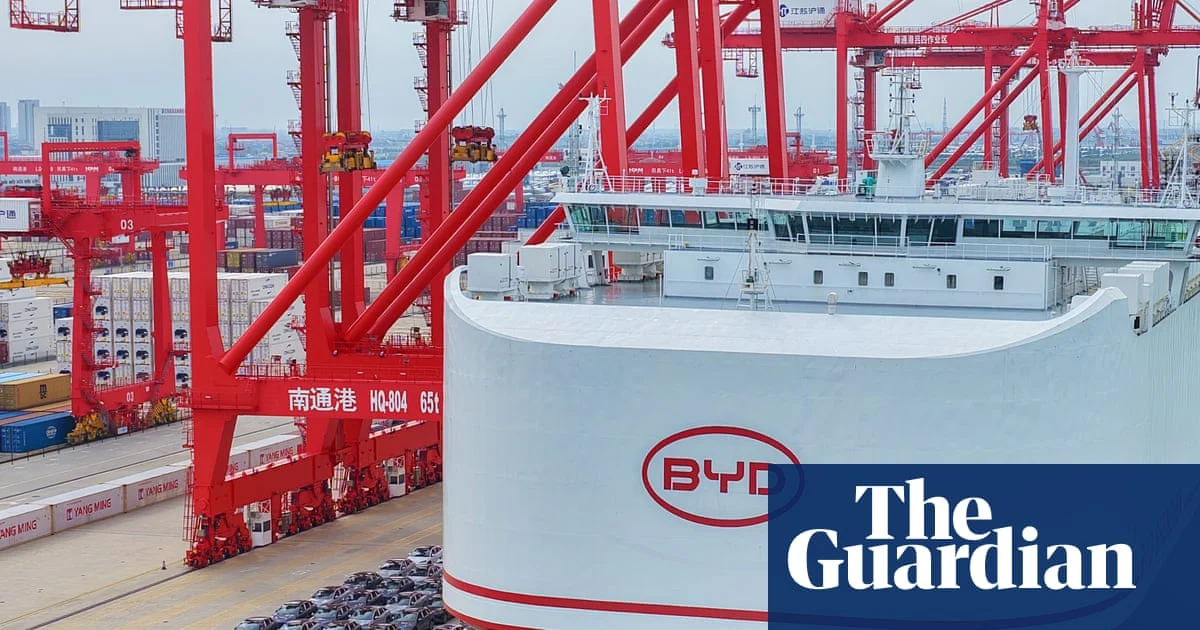
The European Union and China have agreed to a landmark deal to halve hybrid car exports from China to the EU over the next four years, as Brussels seeks to protect its automotive sector from what it describes as surging imports. The agreement follows intense negotiations between EU Trade Commissioner Maroš Šefčovič and Chinese officials, aiming to address a significant trade deficit estimated at €1.18 billion per day.
The deal signals a strategic move by the EU to shield its domestic car industry while navigating economic ties with one of its largest trading partners. According to Business | The Guardian, the reduction could cut millions of hybrid vehicles exported annually, raising concerns over potential impacts on European manufacturing jobs and supply chains.
Key Facts:
- The EU and China agreed to halve hybrid car exports to the EU.
- Reductions expected over four years, potentially cutting millions of vehicles.
- The trade deficit between the EU and China reached €1.18bn per day.
- Negotiations lasted several months, beginning in June.
- EU officials cited job security risks in the automotive sector.
How Did This Deal Come About?
The agreement stems from growing tensions over the EU’s expanding trade deficit with China. Since June, EU Trade Commissioner Maroš Šefčovič led negotiations with Chinese counterparts to mitigate the economic strain caused by daily deficits exceeding €1 billion. Hybrid car exports surged in recent years, prompting fears that European automakers could lose market share rapidly.
This landmark deal represents the first of its kind targeting vehicle imports specifically. By capping hybrid car exports, the EU hopes to stabilize its car industry while maintaining diplomatic balance with China.
Who Is Affected by the Reduction?
European automakers and workers in countries like Germany, France, and Italy stand to benefit from reduced competition from Chinese hybrid vehicles. However, Chinese exporters may face revenue losses and adjusted production strategies. Consumers might see fewer affordable options in the hybrid car market.
The deal also reflects broader tensions in global trade dynamics. As both regions grapple with economic realignments post-pandemic, such agreements highlight efforts to rebalance international commerce without triggering open conflict.
What Happens Next?
Over the coming years, EU regulators will monitor compliance with export caps through customs and import data analysis. Chinese manufacturers are expected to explore alternative markets to offset reduced sales in Europe. Meanwhile, consumer prices for hybrid cars remain uncertain as supply chains adapt to new restrictions.
Additionally, further dialogues are anticipated between EU institutions and Beijing regarding other sectors where trade imbalances persist. The outcome of these discussions could shape future policies affecting technology transfers, intellectual property rights, and environmental standards in global automotive markets.
What We Know — and What We Don’t
Verified by the source:
- The EU and China agreed to halve hybrid car exports.
- The trade deficit was reported at €1.18bn daily.
- Maroš Šefčovič represented the EU in negotiations.
- Negotiations started in June.
Still unconfirmed:
- Exact timeline for implementation remains unclear.
- No specific penalties detailed for non-compliance.
- Impact on individual European manufacturers unquantified.
Why It Matters: This deal highlights the growing influence of trade policy on consumer goods availability and industrial competitiveness across continents, underscoring how geopolitical shifts directly impact everyday products like hybrid cars. For readers interested in similar developments, explore our economy and markets coverage.
What To Watch: Monitor upcoming EU commission reports and any joint statements from Brussels and Beijing for updates on enforcement mechanisms and potential expansions into other vehicle categories.