Lede
President Donald Trump announced Friday that he is establishing a committee to investigate Federal Reserve Governor Lisa Cook over mortgage fraud allegations, renewing his effort to remove her after the Supreme Court ruled her earlier firing unconstitutional. The White House plans an in-person, closed-door hearing on November 5, during which Cook may submit written evidence and be accompanied by legal counsel.
The announcement signals Trump’s continued push to challenge the independence of the Federal Reserve, an institution designed to operate free from direct political control. The committee will consult with Department of Justice officials to determine whether evidence supports removal of Cook under applicable law. This renewed campaign follows broader Republican criticism of Fed officials amid concerns about inflation and economic policy direction. The Supreme Court previously ruled that Cook’s dismissal violated constitutional separation-of-powers principles, reinforcing precedents protecting independent agencies from arbitrary presidential removal.
Key Facts
- President Trump announced a new committee to investigate Federal Reserve Governor Lisa Cook.
- The investigation centers on allegations of mortgage fraud against Cook, per The Guardian.
- A closed-door hearing is scheduled for November 5, with Cook permitted to submit written statements and receive legal representation.
- The committee will consult with Justice Department officials regarding potential cause for removal.
- The effort comes after a Supreme Court ruling deeming Cook’s prior dismissal unconstitutional.
The Story
How did we get here?
Trump first moved to fire Cook earlier this year, citing misconduct claims tied to mortgage filings. The Supreme Court intervened, ruling that her removal lacked constitutional justification under precedents governing executive authority over independent agencies. Now, the administration is shifting tactics, forming a committee to build a formal case for removal rather than pursuing direct termination.
Cook, who joined the Federal Reserve Board in 2022, has been a prominent voice on monetary policy and financial stability. Her position as a Fed governor places her within an organization explicitly insulated from partisan influence. Any attempt to remove her raises questions about the balance of power between the presidency and independent regulatory bodies. Legal experts have noted that Congress granted Fed governors five-year terms, intending to buffer them from short-term political pressures.
What happens next?
The White House confirmed a hearing on November 5, which will be closed to the public but transcribed for documentation purposes. During the session, Cook may present written submissions and be examined by both government representatives and her own attorneys. The resulting transcript could become a focal point for further legal or congressional scrutiny. The committee’s consultation with the Justice Department suggests officials are weighing whether allegations meet thresholds required for removal under federal statute.
If the administration concludes there is sufficient cause, it may attempt another formal dismissal. However, given the earlier Supreme Court decision, any subsequent action would likely face renewed judicial review. Legal scholars emphasize that the outcome remains uncertain and will depend heavily on how narrowly courts interpret constitutional protections for agency officials.
Who is affected?
The Federal Reserve’s credibility and perceived independence are central to financial markets, which closely watch leadership changes at major institutions. Investors and economists have expressed concern that politicizing the central bank might erode confidence in its ability to manage interest rates without external influence. Additionally, members of Congress from both parties have weighed in on the affair, though legislative responses remain unclear at this time.
Beyond immediate market participants, ordinary Americans may feel indirect effects through shifts in borrowing costs, savings yields, or pension fund performance if uncertainty prompts tighter or looser monetary conditions. Labor unions and advocacy groups have also signaled interest in defending institutional norms that keep policymaking insulated from electoral pressures.
What We Know — and What We Don’t
Verified by the source:
- A committee has been formed to investigate Cook.
- Mortgage fraud allegations are under review.
- A hearing is set for November 5.
- The proceeding will be closed to the public but transcribed.
- Cook can submit written evidence and have legal counsel present.
Still unconfirmed:
- Specific details of the mortgage fraud claims.
- Witnesses expected to testify or present evidence.
- Exact wording of the Supreme Court ruling cited.
- Internal discussions between the White House and Justice Department.
- Potential consequences for Fed policy or personnel decisions.
Why It Matters
Attempts to influence or remove Fed officials challenge longstanding traditions separating monetary policy from electoral politics. A loss of perceived independence could destabilize investor trust and increase volatility across global finance networks. These developments highlight ongoing tensions regarding checks and balances in democratic governance systems.
What To Watch
All eyes turn to the November 5 hearing for clarity on next steps. Stakeholders await transcripts detailing arguments and testimonies involved in the Lisa Cook investigation process.
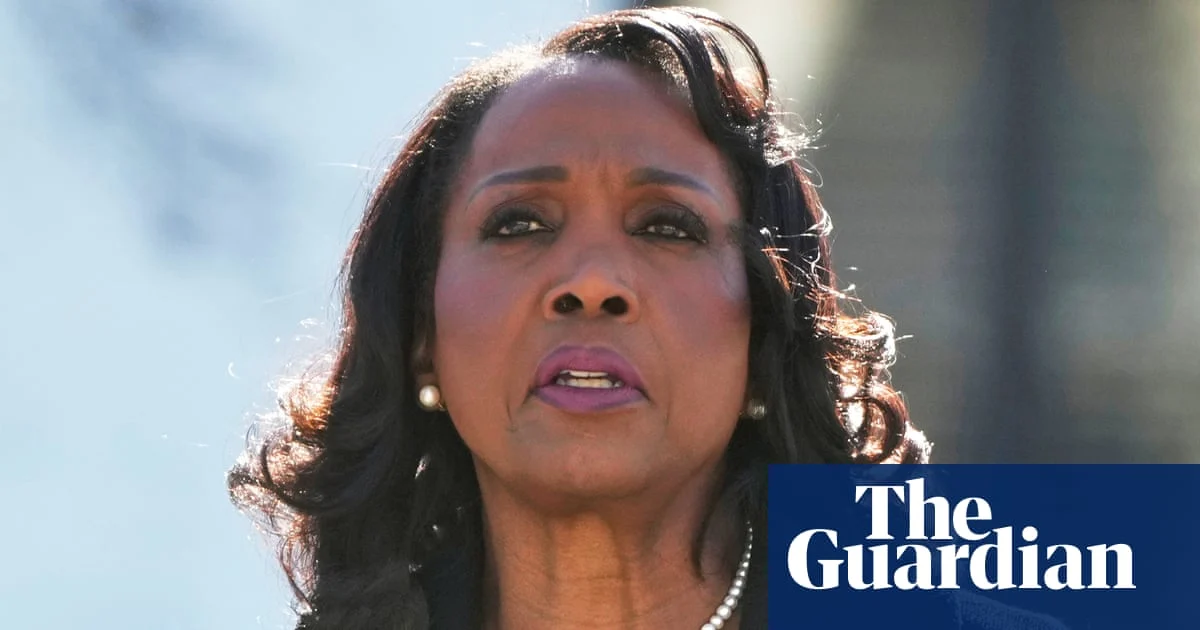
Trump moves to investigate Fed Governor Lisa Cook amid ongoing constitutional disputes.
Explore more updates in economics & markets or political developments.