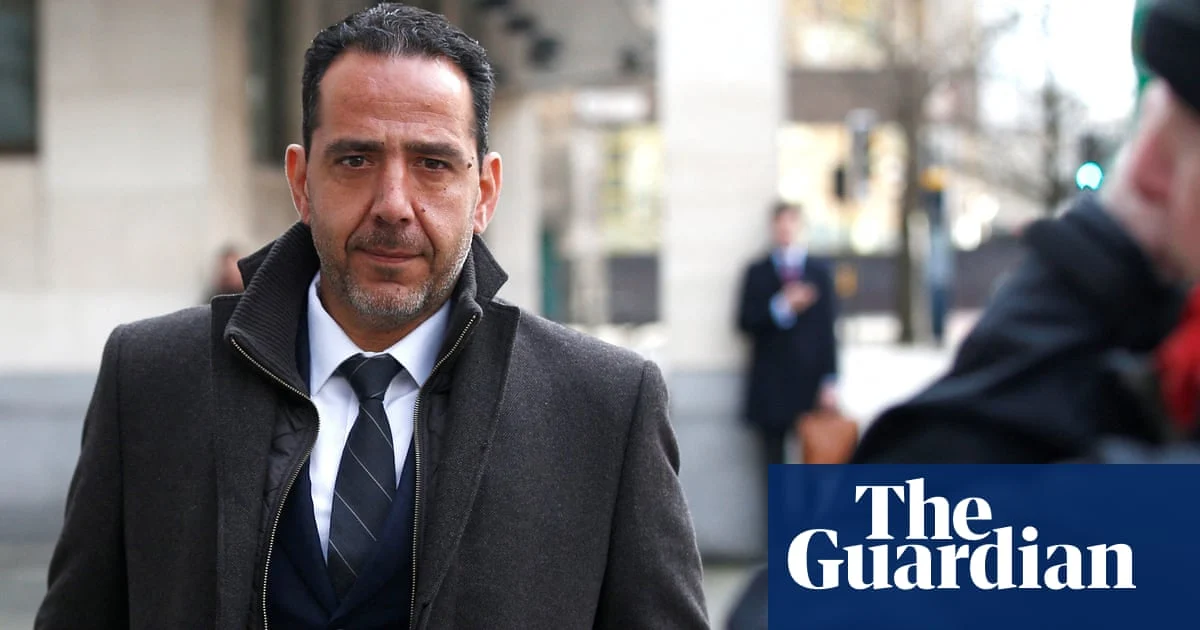
Christian Bittar, a former City banker, has had his conviction for interest rate rigging quashed, making him the eighth individual to clear his name in related cases. His case was connected to conspiracy to defraud charges dating back to 2018. This development follows closely after five other former bankers saw their convictions overturned within days, suggesting a broader legal shift around interest rate rigging allegations.
The overturning of these convictions raises questions about the integrity of past prosecutions and the fairness of evidence used in such high-profile financial crime trials. Legal experts are now watching closely as more appeals emerge, potentially signaling a reevaluation of how interest rate manipulation cases are handled by authorities.
Key Facts
Christian Bittarhad his conviction for interest rate rigging quashed.- He becomes the eighth person to successfully appeal such a conviction.
- His conviction stemmed from a 2018 charge of conspiracy to defraud.
- Five other former bankers were acquitted in the same period.
- The trend suggests growing scrutiny of interest rate rigging prosecutions.
The Story
Interest Rate Rigging Background
Interest rate rigging involves manipulating benchmark rates like LIBOR or EURIBOR, which influence trillions in financial contracts globally. These benchmarks are supposed to reflect average lending rates between banks. When manipulated, they can distort market conditions unfairly. Prosecutors have long pursued individuals involved in such schemes, claiming widespread collusion among traders.
What Happens Next?
Following the quashing of multiple convictions, attention turns to whether remaining cases will face similar scrutiny. Courts may revisit evidence standards, and new appeals could follow. Regulators might also investigate why so many convictions were overturned, possibly leading to reforms in how future financial misconduct is prosecuted.
Legal Implications of Overturned Convictions
In many jurisdictions, once a conviction is quashed, it cannot be reinstated without fresh legal proceedings. This outcome affects not only the individuals involved but also public trust in the justice system’s handling of complex white-collar crimes. Advocates argue this reflects improved judicial oversight; critics claim original trials lacked sufficient checks and balances.
What We Know — and What We Don’t
Verified by the source:
Christian Bittarworked atDeutsche Bank.- His conviction was related to conspiracy to defraud.
- Five others were recently acquitted in similar cases.
Still unconfirmed:
- The specific reasons behind each appeal success.
- Whether regulatory institutions acknowledge procedural errors.
- Future outcomes for additional pending appeals.
Why It Matters
These overturned convictions highlight ongoing uncertainty in prosecuting major financial offenses. For everyday readers, this matters because manipulated interest rates affect savings accounts, mortgages, and pension fund returns. Confidence in markets depends partly on believing the rules are applied fairly—which makes these legal developments significant beyond courtrooms.
What To Watch
Further appeals are expected as lawyers challenge remaining interest rate rigging convictions amid evolving legal interpretations.